MIT Energy Initiative launches study of sustainable fuels for hard-to-decarbonize transportation
June 8, 2026
Scharfsinn86 on iStock
Earlier this year, the MIT Energy Initiative (MITEI) launched a major study to examine the sustainable fuel options for aviation, international shipping, long-haul trucking, and freight rail.
More than one-tenth of the world’s climate-warming greenhouse gas (GHG) emissions related to energy comes from these hard-to-decarbonize forms of transportation. And that fraction continues to increase. Hard-to-decarbonize refers to transportation modes with long distances that are difficult or impossible to electrify due to physical constraints related to energy density of battery technology or infrastructure requirements. If electrification is not an option, the alternative approach is to use fuels that have low and no overall lifecycle GHG emissions. Such fuels are often referred to as sustainable fuels.
MITEI’s two-year study, in which a team of experts is examining the options, will culminate in 2028 with a report to be titled The Future of Fuels: Pathways to Sustainable Transportation.
“This study will provide an authoritative analysis of the economics, lifecycle emissions, and technical feasibility of various sustainable fuels and make impartial recommendations about decarbonization of long-distance transportation sectors,” says William H. Green, director of the study, MITEI director, and Hoyt C. Hottel Professor of Chemical Engineering.
The study team is examining a range of feedstocks (such as straw, wood chips, and oilseeds) and a variety of pathways for conversion (such as fermentation, pyrolysis, and gasification) to sustainable liquid fuels for those tough transportation modes. For each combination of feedstock and conversion pathway, the team is assessing cost, lifecycle carbon intensity, other environmental impacts, land-use, scalability, and “technology readiness level.”
Overarching questions being addressed include:
• What combinations of feedstocks and conversion technologies are most promising?
• What are the current roadblocks standing in the way of those promising technologies?
• What is the expected cost of sustainable fuels?
Scope of the study
A major focus of the study is biofuels, which are fuels produced from biomass. Sources of biomass being considered include agricultural and forestry residues, energy crops (woody, herbaceous, oilseeds), and wastes. The processing methods include thermochemical, biochemical, and chemical conversions, and combinations of those methods. Various geographic regions are being targeted for analysis of biomass supply chains and the effects of policies and climate-change mitigation efforts on the use of land.
One important question regarding the biofuels option is whether there’s enough biomass in the world to cover the fuel needs of the hard-to-decarbonize transportation modes. Possibly not, if conventional conversion technology is used, says Randall Field, the executive director of the study and MITEI’s director of research. However, he notes that some experts believe there is a solution. “It’s called ‘hydrogen-enhanced’ biofuel production, which enables a larger fraction of biomass carbon to end up in the biofuel product. Then you have a fighting chance at having enough biomass for the job.” The MITEI study is delving into the possible effectiveness of that strategy.
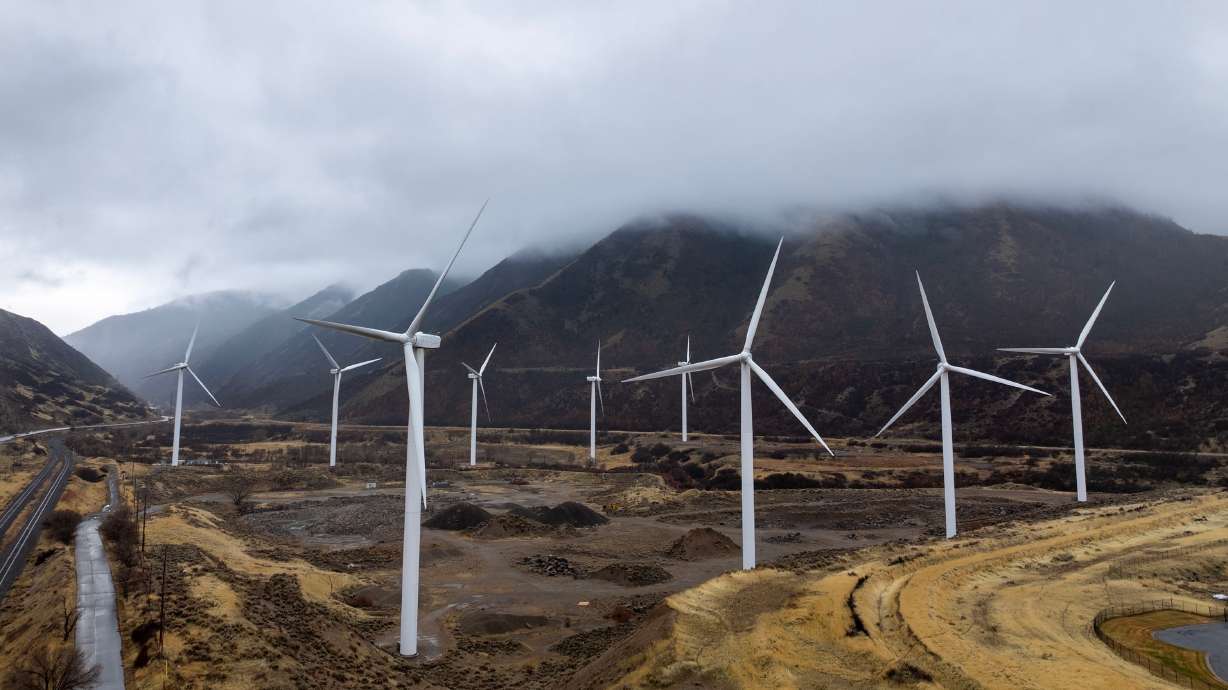
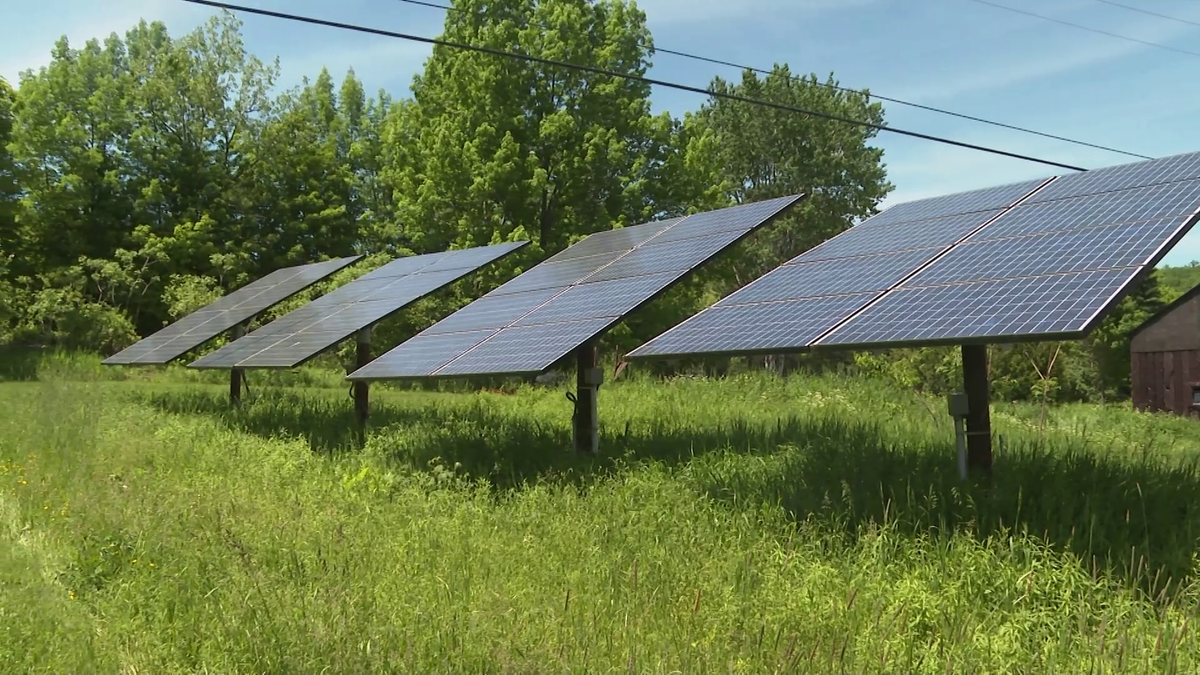
The team is also considering so-called e-fuels, or electro-fuels, which are produced using electricity. Basically, electricity is used to split water into oxygen and hydrogen, and the hydrogen is combined with carbon. The focus is on using electricity generated by low-carbon sources—thus, wind, solar, or nuclear generators—to split the water to obtain the hydrogen, and the carbon will come from carbon dioxide captured from emissions or removed from the atmosphere—a practice called “direct-air capture.” One key question regarding e-fuels is: Under what conditions will e-fuels become economically viable?
In general, the study is emphasizing so-called drop-in fuels, meaning they can be used in existing engines and fuel-distribution infrastructure. “Fuels that are largely compatible with existing engines could eliminate potentially trillions of dollars of cost for fleet replacement and for infrastructure build out, while also helping us to accelerate the rate of decarbonization of the transportation sector,” says Field.
The study considers sustainable fuels and incorporates a comparison between the sustainable drop-in fuels and the major non-drop-in fuels, such as renewable methanol, ethanol, ammonia, and natural gas.
One more key aspect of the study is an analysis of the current domestic and international policies that shape the decarbonization of transportation, as well as policies that could enable a more efficient trajectory for this energy transition.
At the end of the study, the team will release a public report on results, findings, and recommendations, as well as present the major findings and recommendations from the study via a webcast.
Questions about the scope, technical approach, and study logistics may be addressed to Field at rpfield@mit.edu. Questions about supporting the study may be addressed to J.J. Laukaitis, MITEI director of member relations, at jjlaukai@mit.edu.
Search
RECENT PRESS RELEASES
Related Post