Vermont residents concerned over solar sustainability
June 8, 2026
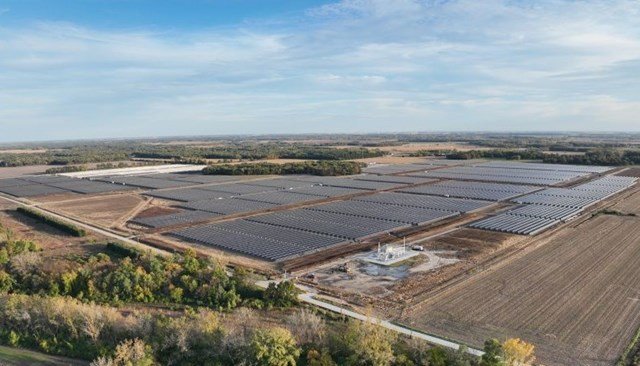
We took our money out of our retirement to invest in this array with the expectation of getting *** certain rate of return, which we did. Since 2017, Richmond resident Jeff Forward has been running *** solar farm to power his home and help his neighbors too. I think we should be encouraging people to do these types of projects, but Forward says times are different, and he says it’s harder now to make *** renewable transition than when he started. That’s thanks to *** previous. Federal slash to *** 30% tax credit for solar installation, not offset by the state. The Scott administration, through the Public Service Department and the Public Utilities Commission, doesn’t have the vision, doesn’t see the ancillary benefits that these kinds of systems provide, but they do say they’re trying. In *** biannual report, the Vermont PC. Increase the rate of net metering this year. That’s the benefit some solar users receive for electricity that they don’t use. The state believes this is restitution for the tax cut, but solar is also very dependent on the seasons. We’re paying for lots of solar to come on the system that provides *** lot of power in May, June, this time of year. Our demands are growing in the winter, in January and February. And there’s not the solar does operate then, but not at the amount and scale that we really need. Net metering systems alone are also their own separate costs at around $30,000 for installation on top of the solar panels. The state says they want to make that process more fair on top of the exploration of other climate solutions. I am encouraged that the commission also said that they, they would open *** proceeding to revisit how net metering is compensated in the future, and we look forward to working with stakeholders in that process to revamp and rework how we compensate for net metering to make it more equitable and make it more affordable for everyday Vermonters.
Vermont residents concerned over solar sustainability
Updated: 8:39 PM EDT Jun 8, 2026
The Vermont Public Utility Commission has recently increased compensation for net metering after releasing its biannual adjustment to the program in late May. Net metering, which is mainly tied to solar systems, is a way to make a cash return for power not being used by the property where it was generated. It’s a smaller portion of the state’s solar energy generation. The Vermont PUC has increased that rate of return by roughly a cent per kilowatt hour for new systems, and 2 cents for preexisting systems. Still, some residents don’t believe this is enough.”The Scott administration, through the Public Service Department and the Public Utilities Commission, doesn’t have the vision, doesn’t see the ancillary benefits that these kinds of systems provide,” Richmond resident and former town energy committee member Jeff Forward said.He argues that more needs to be done in order to incentivize solar and net metering in Vermont. A 30% solar tax credit was slashed in the “Big Beautiful Bill,” which passed Congress last year. The VTPUC did not provide a comment for this story, but within their adjustment document they said: “The Commission considered a larger reduction but recognizes that the loss of the federal residential Investment Tax Credit (“ITC”) will increase the cost of installing a new ne metering system for most customers.” Net metering is a separate expense from solar that could cost a rough $30,000 more, state officials with the Vermont Department of Public Service said the state is at its peak for solar energy storage currently. In cloudier months like winter, other energy sources are sought out.Vermont lawmakers tried to advance a bill that would have given net-metering rate-setting powers to the legislature. The bill did not advance. Still, VTDPS said the state wants to try to find ways to make improvements. “I am encouraged that the Commission also said that they would open up a proceeding to revisit how net metering is compensated in the future, and we look forward to working with stakeholders in that process to revamp and rework how we compensate for net-metering,” Director of Regulated Utility Planning TJ Poor said. “To make it more equitable and make it more affordable for everyday Vermonters.”
The Vermont Public Utility Commission has recently increased compensation for net metering after releasing its biannual adjustment to the program in late May.
Net metering, which is mainly tied to solar systems, is a way to make a cash return for power not being used by the property where it was generated. It’s a smaller portion of the state’s solar energy generation.
The Vermont PUC has increased that rate of return by roughly a cent per kilowatt hour for new systems, and 2 cents for preexisting systems.
Still, some residents don’t believe this is enough.
“The Scott administration, through the Public Service Department and the Public Utilities Commission, doesn’t have the vision, doesn’t see the ancillary benefits that these kinds of systems provide,” Richmond resident and former town energy committee member Jeff Forward said.
He argues that more needs to be done in order to incentivize solar and net metering in Vermont. A 30% solar tax credit was slashed in the “Big Beautiful Bill,” which passed Congress last year.
The VTPUC did not provide a comment for this story, but within their adjustment document they said:
“The Commission considered a larger reduction but recognizes that the loss of the federal residential Investment Tax Credit (“ITC”) will increase the cost of installing a new ne metering system for most customers.”
Net metering is a separate expense from solar that could cost a rough $30,000 more, state officials with the Vermont Department of Public Service said the state is at its peak for solar energy storage currently. In cloudier months like winter, other energy sources are sought out.
Vermont lawmakers tried to advance a bill that would have given net-metering rate-setting powers to the legislature. The bill did not advance. Still, VTDPS said the state wants to try to find ways to make improvements.
“I am encouraged that the Commission also said that they would open up a proceeding to revisit how net metering is compensated in the future, and we look forward to working with stakeholders in that process to revamp and rework how we compensate for net-metering,” Director of Regulated Utility Planning TJ Poor said. “To make it more equitable and make it more affordable for everyday Vermonters.”
Search
RECENT PRESS RELEASES
Related Post