3 Reasons to Buy SpaceX Stock at Its IPO — and
June 7, 2026
Assuming all goes as planned, Elon Musk’s privately owned SpaceX will go public on Friday, June 12. Although some retail investors may be lucky enough to access shares at the initial public offering, most people will only have the option to buy the stock in the open market after the fact.
And this begs the question: Should you do so? Here are some things to consider.

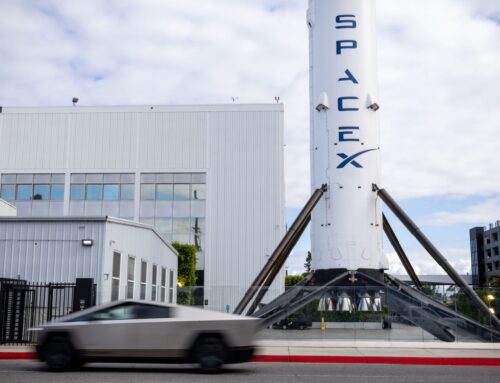
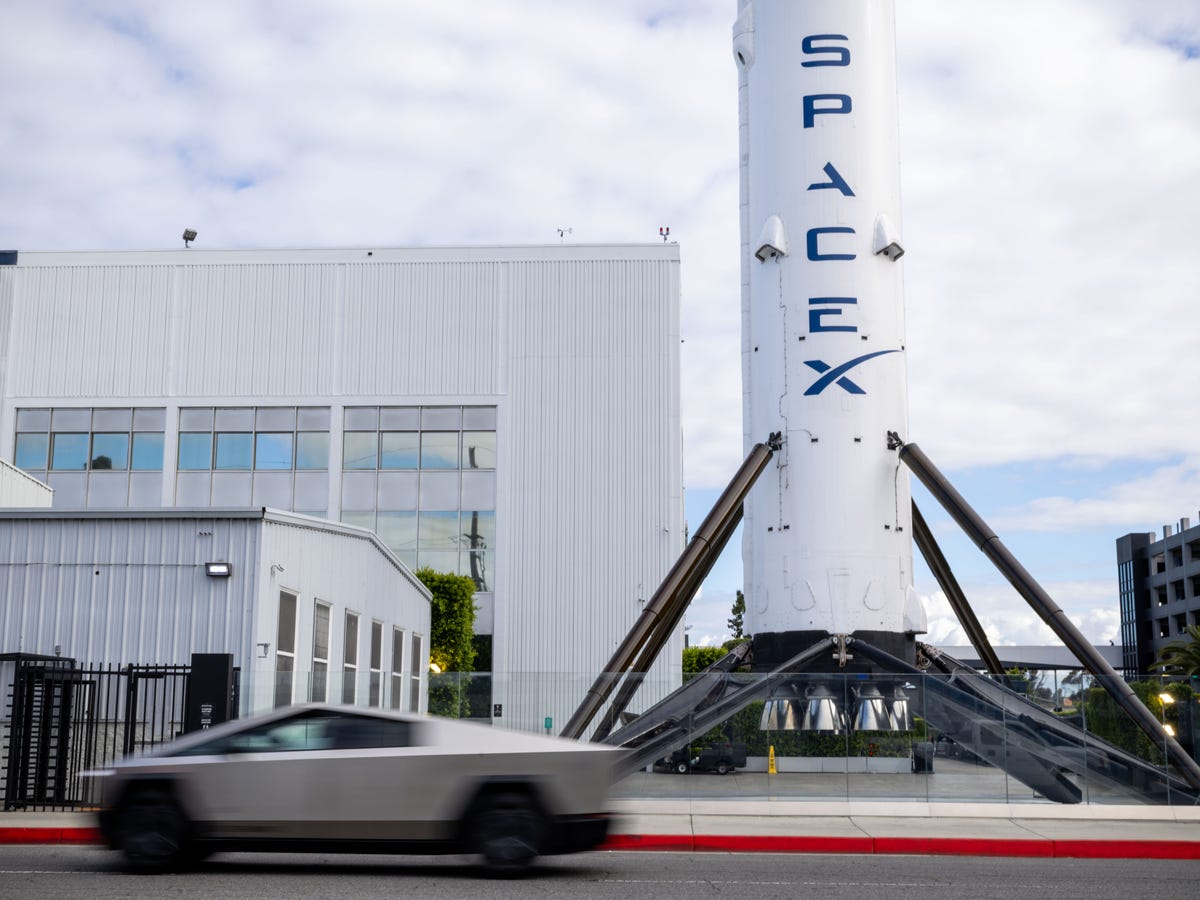
Image source: Getty Images.
Reasons to buy
1. SpaceX’s businesses are the future
You know it best as the space launch/rocket company, but that’s not all SpaceX is. SpaceX also owns the social media platform X (formerly Twitter), the artificial intelligence (AI) platform Grok, and satellite-based internet service Starlink. It’s even developing a microchip business. All these businesses play a prominent role in humanity’s foreseeable future.
2. Enthusiasm is stunningly strong
Hype surrounding a company on the verge of an IPO is nothing new. The buzz surrounding this particular public offering, however, is palpable. It’s conceivable that this enthusiasm alone could drive strong gains right out of the gate and for a while … although not indefinitely. (See below.)
3. Positive cash flow
Finally, although SpaceX isn’t technically profitable — and may not be anytime soon — dig deeper. It’s only unprofitable because it’s spending so much money buying or building assets that will drive the revenue that’s to come. The businesses, as they operate right now, are technically generating positive cash flow.
Obviously, the cash flow figure will need to widen, and investing outlays will need to be curbed if the company’s ever going to achieve fiscal viability. Nonetheless, it’s encouraging to see that simply operating its businesses — even at a small scale — isn’t bleeding money.
Reasons to wait
1. Most newly IPO’d stocks are trading down within a few weeks
As veteran investors who’ve seen a few can attest, most newly IPO’d stocks are usually trading down by quite a bit a few weeks to a few months following the surge that tends to materialize immediately after their public offering (when the hype is still strong). Uber Technologies, Meta Platforms (then Facebook), Alibaba, and Visa are just some of the big names that have logged big gains since their initial public offerings, but were well into the red shortly after their IPOs.
While there are always exceptions, exceptions are (by definition) unlikely, even when the enthusiasm surrounding these stocks is as robust as that surrounding SpaceX.
2. The company’s business is still evolving
Finally, it’s difficult enough to assess and make a judgment call on a well-established company you know and understand. It’s practically impossible to make a meaningful fundamental assessment of a company that’s undergoing rapid change like SpaceX still is.
Then there’s the potential for change that isn’t even yet underway. For instance, there are whispers that SpaceX could eventually merge with Musk’s other company, EV maker Tesla (TSLA 6.43%).
It matters because the market will often reward certainty — and punish uncertainty — via a stock’s price.
Search
RECENT PRESS RELEASES
Related Post