Cincinnati’s Next Generation of Environmental Activists
December 3, 2025
Photograph courtesy Groundwork Ohio River Valley
On a humid summer afternoon in Burnet Woods, a group of University of Cincinnati students set up their cameras and sound equipment. They’re not filming a music video or a class project—they’re producing an educational series on birdwatching, water quality, and the ecological wonders of one of the city’s parks. The project, funded by the City of Cincinnati’s Seeds of Change Youth Climate Action Grants, reflects a growing truth: young people aren’t waiting for someone else to save the planet. They’re doing it themselves, one community garden at a time.
Photograph provided by Seeds of Change
“Plenty of youth involved in these projects are under 18 and can’t even vote,” says Rachel Bickett, sustainability project coordinator with the City of Cincinnati’s Office of Environment & Sustainability. “But that doesn’t stop them from shaping the way their city looks through their hard work and dedication to making their communities more sustainable, equitable, and resilient.”
That philosophy, activating local solutions led by local youth, is at the heart of Cincinnati’s Seeds of Change Grant Program, a community-driven initiative launched as part of the city’s Green Cincinnati Plan. The program invests in grassroots sustainability projects across neighborhoods, many of which directly involve or are entirely led by young people.
Since its start, it has funded more than 100 projects with over $500,000 in awards, reaching nearly 6,000 residents. The goal is to hit $1 million in community climate investments by 2028.
Though climate change has long been framed as an issue for the next generation, for today’s youth, the crisis isn’t in some distant future; it’s now. Flooding, extreme heat, and poor air quality are already reshaping their daily lives in Cincinnati, especially in neighborhoods historically hit hardest by environmental inequities.
“With 84% of youth around the world reporting that they’re worried about climate change, it’s critical that we continue to value and support youth voices and action,” Bickett says.
That support in Cincinnati takes many forms. While Seeds of Change provides the funding and framework, local nonprofits are building the programming that empowers youth to step into climate leadership. Green Umbrella’s Green Schoolyards Action Network and Groundwork Ohio River Valley’s Green Team and Green Corps are two of the most visible examples, offering hands-on experiences that blend environmental education, workforce training, and community impact.
For Ryan Mooney-Bullock, executive director of Green Umbrella, the classroom doesn’t stop at the school door. “The Green Schoolyards Action Network is working to ensure that students have access to time outside in natural spaces as a part of their school experience,” she says. “We know not every family prioritizes that, and we think it’s too important to leave that up to chance.”
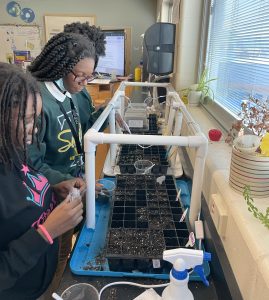
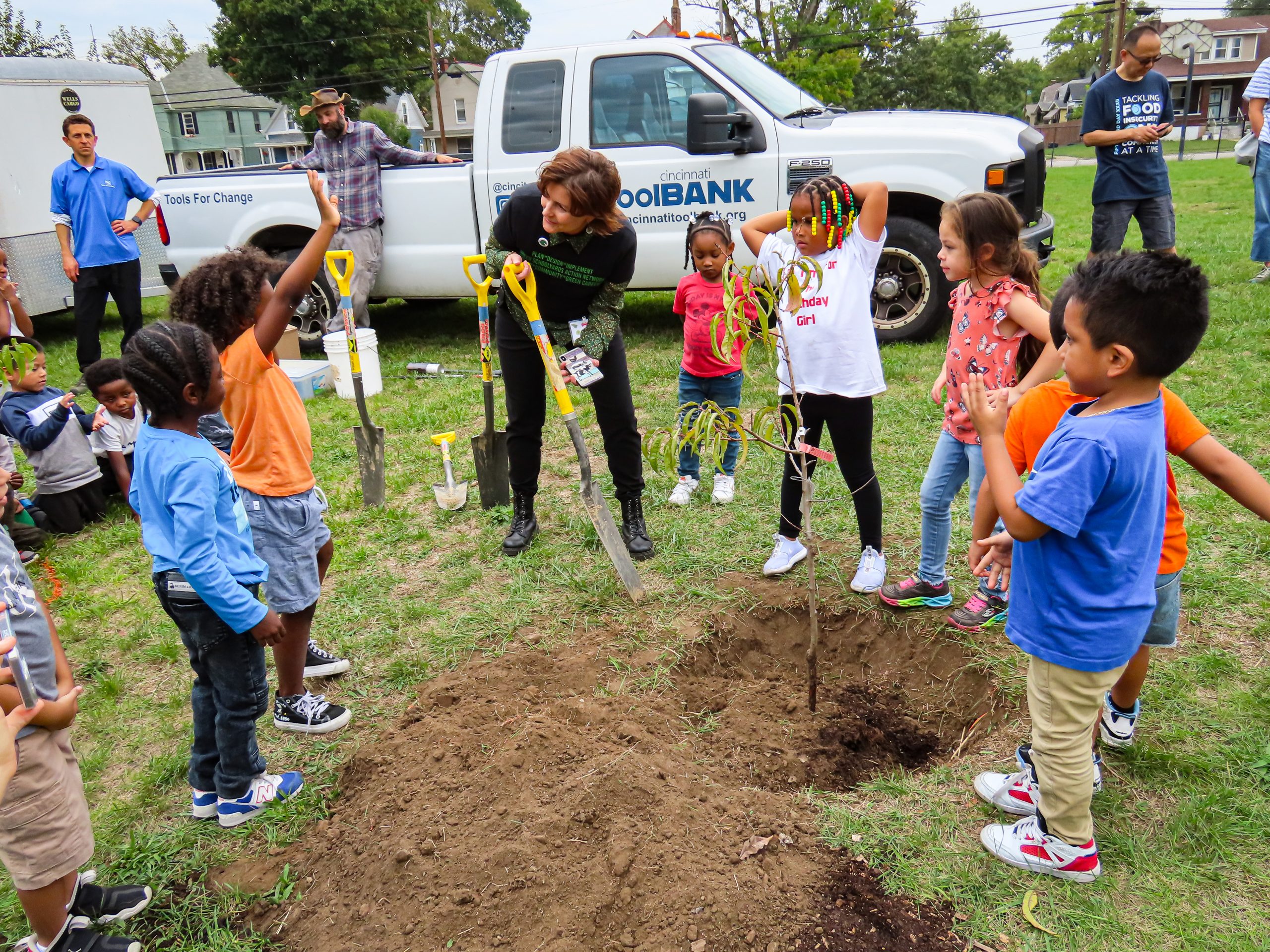
Over the past five years, Green Umbrella has partnered with Cincinnati Public Schools to design and implement green schoolyards across the district that feature outdoor classrooms, native gardens, vegetable plots, fruit trees, and tree canopies that provide shade and stormwater absorption.
Photograph by Kelly St. Charles
“It’s not just kids going out onto an asphalt playground and calling that time outside,” Mooney-Bullock explains. “It’s time outside where they’re really interacting with the natural environment.”
The impact is already evident. At Aiken High School, students cultivate produce in their garden that they are working to be able to sell to the cafeteria, learning food safety standards alongside horticulture. Teachers are equipped with toolkits and professional development to weave outdoor education into their lesson plans. For students, it’s more than just a science class.
“It’s really transformative,” Mooney-Bullock says. “Students tell us it’s their favorite class. They look forward to being out in the garden. They’re learning so much about themselves, each other and how to care for their environment.”
While Green Umbrella is reshaping what learning looks like inside the district, Groundwork Ohio River Valley is focused on what comes next: jobs.
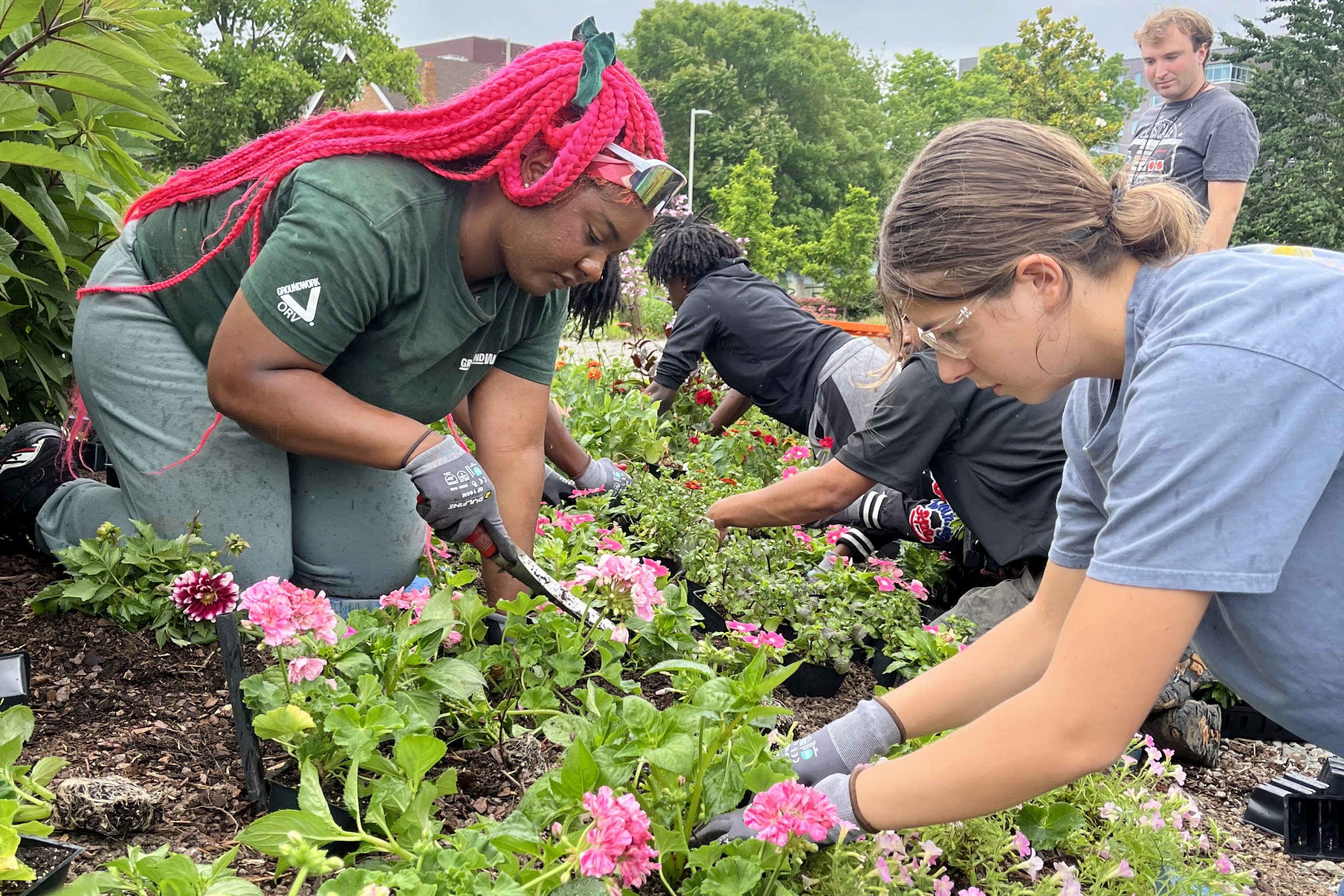
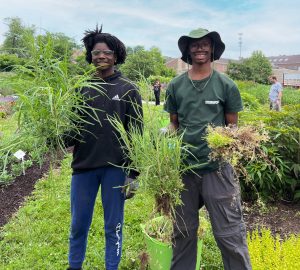
“Our Green Team is a youth-focused workforce development program for ages 14 to 18,” says Executive Director Sarah Kent. “For many of them, it’s their very first job. They’re learning accountability, like showing up on time and packing their lunches, and they’re doing meaningful work in their own neighborhoods.”
Photograph courtesy Groundwork Ohio River Valley
That work ranges from planting community gardens in Madisonville to restoring trails in Mt. Echo Park. In the summer, teams might be stationed at the Cincinnati Zoo, where they learn horticulture and environmental management while also working in the surrounding community of Avondale.
The Green Corps, Groundwork’s program for young adults 18 to 26, takes it further. Participants earn professional certifications funded through the U.S. Department of Agriculture’s Forestry Service and the U.S. Environmental Protection Agency’s Brownfields grants that prepare them for careers in energy, conservation, and environmental engineering. Many go straight into jobs with partners like Cardinal Land Conservancy or the Cincinnati Parks Department.
“We try to expose them to as many different people as possible,” Kent says. “Park rangers, EPA engineers, you name it. If they can connect with one of those topics, they can figure out what they want to do for their future.”
Together, these programs are tackling climate change at both the micro and macro level. Green Schoolyards address equity in education and exposure to nature, while Green Team and Green Corps strengthen neighborhood resilience with green infrastructure. Seeds of Change ties it all together with funding and recognition that community-driven ideas matter.
In the West End, Groundwork plans a large tree planting, with hopes of eventually funding a neighborhood-specific Green Team. In Lower Price Hill, youth have collected data on air quality for six years, informing where trees are planted to combat pollution. Across the city, schoolyards now feature pollinator gardens and rain-absorbing landscapes that help mitigate flooding.
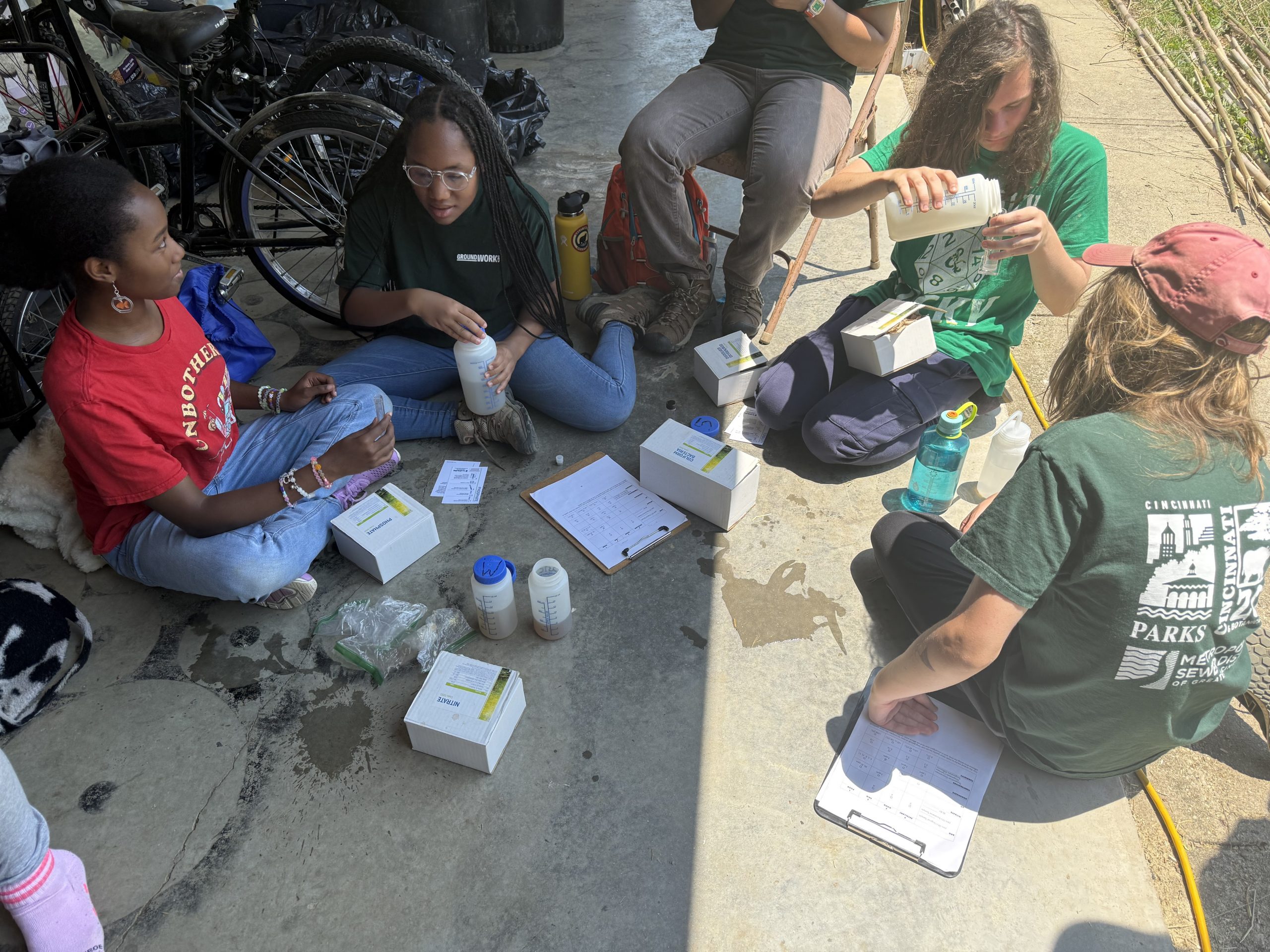
Photograph courtesy Groundwork Ohio River Valley
“These projects show that youth-led initiatives aren’t just symbolic,” Bickett says. “They’re creating real, measurable improvements in Cincinnati’s neighborhoods.”
And the ripple effect goes beyond the environment. Youth who participate gain confidence, leadership skills and career pathways. Communities see the real impact of young people investing their time and creativity into local solutions. And many residents who face economic and environmental disadvantages experience the pride of seeing their neighborhoods transformed.
But none of this work is without challenges. Recruiting busy teenagers to apply for grants, convincing maintenance crews not to mow down native wildflowers and finding sustainable funding all remain ongoing struggles. But the momentum remains strong. “We’ve been extremely proud of the hard work led by grantees so far and are dedicated to making the program more accessible and impactful in years to come,” Bickett says
For Mooney-Bullock, the payoff is personal. As both an environmental educator and a parent of four Cincinnati Public Schools students, she sees firsthand the difference outdoor experiences make. “It expands their perspective on the world and connects them with themselves, each other, and the environment. That’s one of my core values, that everyone should feel comfortable in natural spaces, even if they don’t end up as nature junkies like me.”
Kent echoes that sentiment talking about the end-of-summer celebration where Groundwork youth share posters showcasing their projects. “Everyone is excited, even though they’ve done different things,” she says. “It’s really cool to see them brag about their work. That pride comes naturally because they know they’ve made a difference.”
Seeds of Change is betting that those seeds of pride, leadership, and resilience will grow into something lasting.
“Climate anxiety is real and scary,” Bickett says. “But the best remedy is positive action. We’re in this together. And Cincinnati has no shortage of opportunities for young people to contribute in real, meaningful ways.”
Search
RECENT PRESS RELEASES
Related Post