Next steps in plan to redevelop former Vacuum Oil refinery site in Rochester
December 4, 2025
The city of Rochester has outlined the next steps in the redevelopment of the former Vacuum Oil Company Refinery site along the Genesee River.
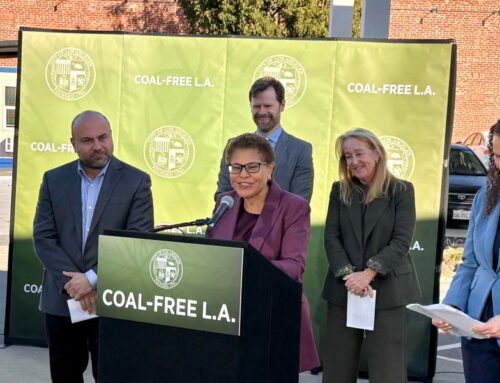
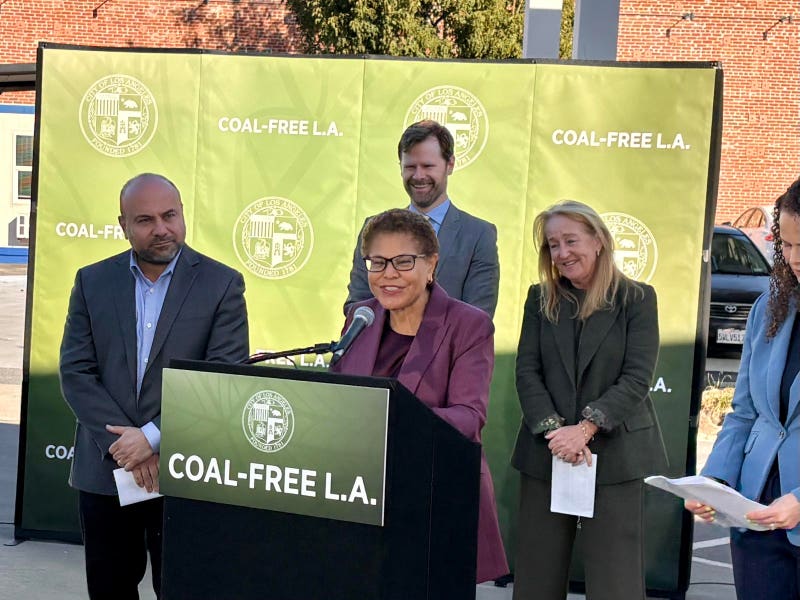
On Thursday, Mayor Malik Evans, city officials and members of the New York Department of Environmental Conservation held a news conference at the site on Flint Street to lay out the next phase of the cleanup work.
The project is part of the state’s Brownfield Cleanup Program and will address historic contamination before allowing the city to proceed with future redevelopment.
Earlier this week, it was announced that the DEC had reached an agreement with Exxon Mobil, which owned the site, to investigate the extent of contamination within the remaining areas of the former refinery’s footprint, which isn’t already being addressed under the Brownfield Cleanup Program.
According to city officials, the next phase of remediation will focus on properties next to the Genesee Riverway Trail, from the eastern end of Flint Street south toward South Plymouth Avenue.
Work will include:
- Conducting a remedial design investigation to further define environmental impacts and ensure complete cleanup
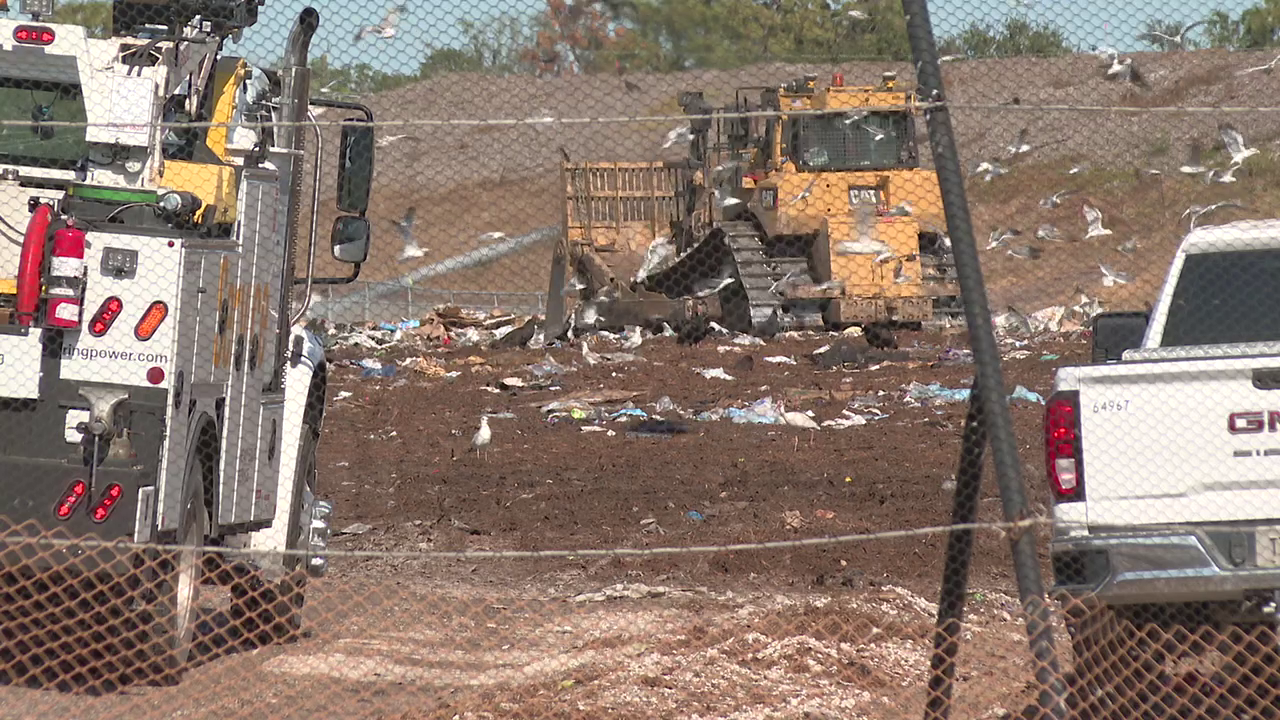
- Treating soil in place and excavating and disposing of contaminated soils off-site
- Backfilling with clean soil that meets state standards
- Installing at least two feet of clean cover material across the site, which will be graded and seeded to prevent erosion
- Developing a long-term site management plan to guide health and safety protections, future development and ongoing monitoring
Roux Associates, a national environmental consulting and remediation firm with a local office, is leading the cleanup. The city says it has completed similar restoration projects at hundreds of BCP sites across the state, including the former oil refinery in Olean, the former Bethlehem Steel site in Lackawanna and the Elk Street Petroleum Terminal in Buffalo.
“By cleaning up the land and restoring it for future use, we’re protecting public health, honoring our environmental responsibility and reconnecting our neighborhoods to the Genesee River,” said Evans. “This project shows what’s possible when government, business and residents come together with a shared commitment to renewal and justice.”
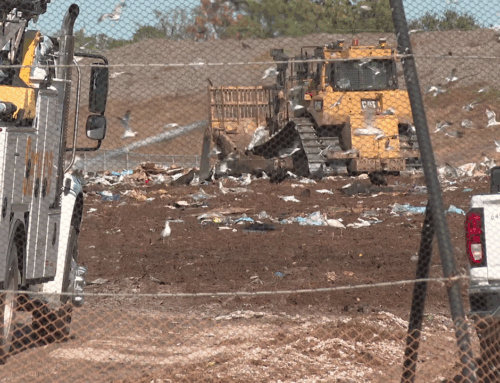
Demolition of the remaining building at 5 Flint Street began Thursday morning and is expected to take three to four weeks, depending on weather conditions, city officials say.
This phase of the cleanup is expected to take 18 to 24 months to complete. After that, and once the city secures additional funding, it says it will launch the Restore the Shore: West River Wall Segment II project, which is the next step in the ROC the Riverway initiative.
Search
RECENT PRESS RELEASES
Related Post