Amazon’s plan to beat ChatGPT? Give Alexa a better memory
January 13, 2026
Las Vegas
—
Amazon doesn’t just want Alexa to know you. It wants her to remember things about you, like a close friend or family member would.
That’s the driving philosophy behind the vision for Alexa’s future, which Amazon executives detailed in conversations with CNN at the annual Consumer Electronics Show (CES) in Las Vegas last week.
Amazon is hoping to recapture the excitement that Alexa garnered upon its launch in 2014: a novel, mainstream, easy-to-use voice assistant for the home.
Alexa proved highly popular and sparked a resurgence in voice assistants. But then, in 2022, the release of ChatGPT brought artificial intelligence to the mainstream. Amazon was caught flat-footed and has spent the last couple of years revamping its product strategy to catch up.
After saying in 2023 that a more personal and conversational version of its assistant was coming, Amazon finally launched Alexa+ in 2025. To get ahead, it’ll have to prove that Alexa+ isn’t the same assistant from 12 years ago.
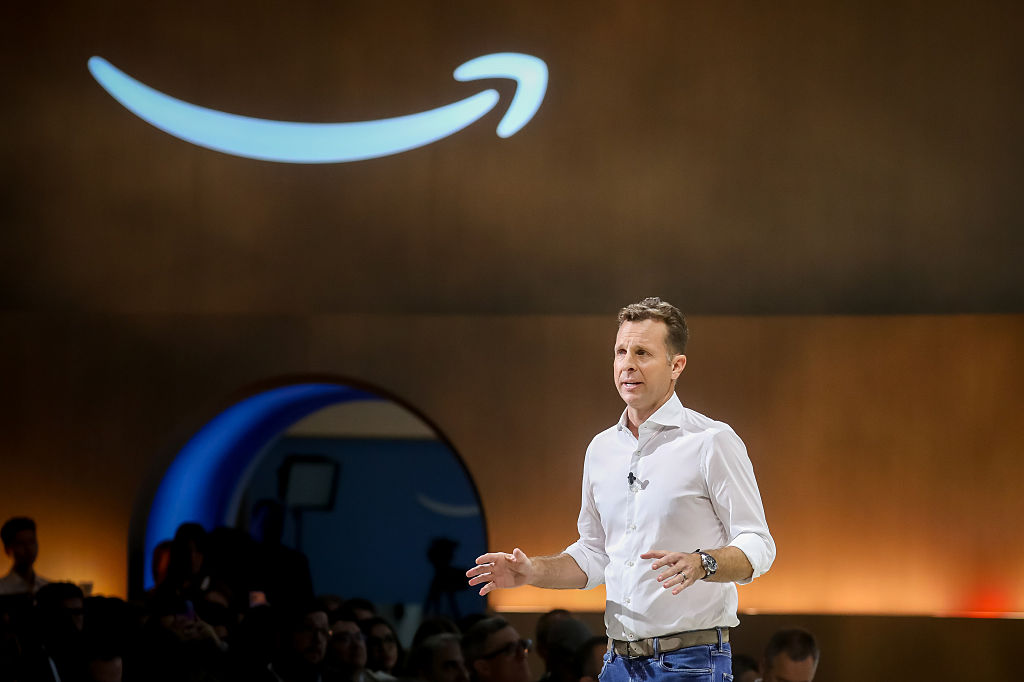
“There are tens of millions of people that want to turn on their coffee makers in the morning using Alexa, and that’s rad…(but) that’s not what changes the world,” Amazon devices and services chief Panos Panay said in an interview with CNN. “What does, though, is that context between these devices.”
Alexa+ is important for Amazon because AI is being hailed as the next major computing platform. Amazon alreadymissed the boat on mobile — largely ceding that territory to Google and Apple — and its upgraded virtual helper signals an effort to avoid repeating history.
Amazon’s new Alexa website, launched last week, echoes the web browsers that OpenAI and AI startup Perplexity created in a bid to make their AI chatbots integral to how people use the web. With Alexa.com, those who sign up for early access to Alexa+ can chat with Amazon’s assistant online and continue those conversations on other devices — like Amazon Echo and the Alexa app.
But Amazon isn’t interested in racing to develop the most cutting-edge AI model, according to Panay. Instead, it’s focused on coming up with products that apply AI to the real world by leveraging context from Amazon’s devices and services.
Apple is taking a similar approach with its upcoming version of Siri, which will be powered in part by Google’s Gemini models and cloud technology, both companies announced Monday. The new Siri was announced in 2024 and has yet to launch.
Panay outlined an example that he says differentiates Amazon’s assistant from ChatGPT or Google’s Gemini: When he told Alexa he needed a new harness for his dog, the assistant had options waiting for him on his Echo Show device at home by the time he was done taking his pet for a walk.
In another example, Panay described a time when he and his family couldn’t agree on a restaurant for dinner. He asked Alexa for the top five places they wanted to eat the last time they were searching for a restaurant. Alexa pointed out the restaurants within those five that they had already been to, provided similar recommendations and offered to book a reservation.
Google and OpenAI are pursuing a very similar direction; both Gemini and ChatGPT can remember context from previous conversations. And Google says it can perform tasks like finding tickets to sporting events, booking restaurants and calling stores to see if an item is in stock on a user’s behalf.
But Panay insists Alexa is more personal than competing chatbots or search tools, saying Alexa’s memory combined with its ability to execute tasks in the real world will make it stand out moving forward.
Amazon says Alexa+ is already leading to farmore engagement: users are having twice as many conversations with the upgraded Alexa compared to the previous version.
“When you start getting the feedback, you start hearing it’s pleasant,” Panay said of the reception to Alexa+ so far. “She knows so much. The more she knows about me, the better.”
But to become indispensable, Alexa will have to prove useful for more than shopping and recommendations. It also means shifting the way consumers think about using Alexa and boosting usage of the assistant beyond Echo speakers.
Data from research firm Consumer Intelligence Research Partners published in August found that even more than 10 years after the first Echo launched, people still primarily use those devices for listening to music.
Bringing the assistant into the browser through Amazon’s new Alexa.com website could help with that challenge, enabling consumers to integrate the assistant into more of the things they do online, like work and vacation planning – tasks that helped propel ChatGPT to fame.
Making Alexa more useful outside the home will be a big focus for the company this year, said Daniel Rausch, vice president of Amazon’s Alexa and Echo divisions. He added that Amazon plans to continue adding new capabilities to the Echo Frames, the Alexa-enabled smart glasses it launched in 2019 and has since updated, although he couldn’t share specifics.
Amazon last year acquired Bee, a company that makes a wristband that records users and provides insights on their conversations, including chat summaries, reminders and feedback about the general atmosphere of the discussion.
After a day of wearing a Bee bracelet provided by Amazon for testing purposes, the device generated a suggested to-do list based on my recordings and other content I gave it permission to access, like the iPhone’s Reminders app and my location.
The company is planning to “bring those kinds of capabilities in concert” with Alexa, Rausch said.
“Bee is a good set of signs, if you’re looking towards what we’re planning for 2026,” he said.
This isn’t entirely new territory for Amazon. The company launched a wristband called the Halo in 2020 that recorded a wearer’s conversations and analyzed the emotional tones in their voice and has since been discontinued. The device also raised privacy concerns, including from Senator Amy Klobuchar.
When asked how Amazon would respond to privacy concerns and potential criticism that Alexa+ is yet another ploy to coerce consumers to fill their Amazon shopping carts, Panay said Amazon gives consumers choice. Customers can change how long they want Alexa to save voice recordings and transcripts, for example.
Users are sometimes willing to change their perspective on concerns like privacy if a product is useful enough, he said. “When you give customers something that they just love and need and it makes their life better, the narrative changes quickly.”
Search
RECENT PRESS RELEASES
Related Post