FERC: US utility-scale solar capacity overtook wind in 2025
January 21, 2026
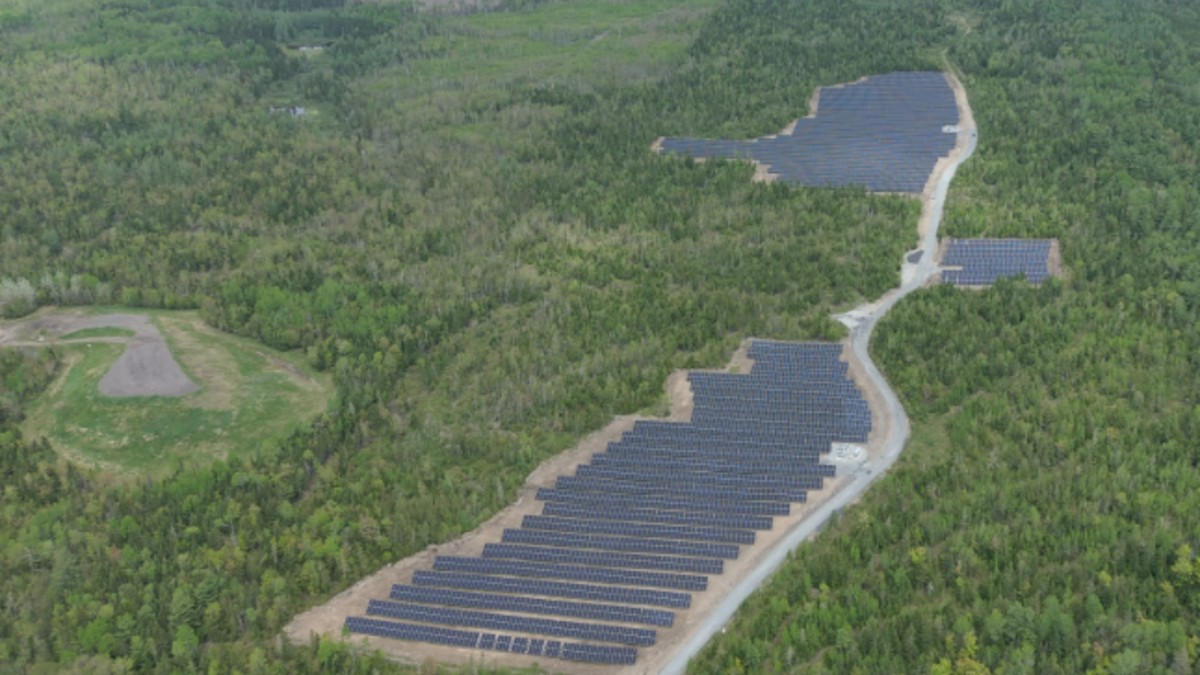
Solar continues to dominate new capacity additions and has held the lead among all energy sources for 26 consecutive months. As a result, installed utility-scale solar capacity now exceeds wind capacity for the first time, according to data released by the Federal Energy Regulatory Commission (FERC) and reviewed by the SUN DAY Campaign.
Solar accounted for 72% of US electrical generating capacity added during the first 10 months of 2025. Further, FERC foresees solar adding another 90 gigawatts (GW) over the next three years, by which time solar capacity will exceed either nuclear power or coal.
In its latest monthly “Energy Infrastructure Update” report released (three weeks late) on January 20 (with data through October 31, 2025), FERC says 66 “units” of solar totaling 1,082 megawatts (MW) were placed into service in October, accounting for 59.8% of all new generating capacity added during the month. Natural gas (727 MW) plus 1 MW of new oil capacity provided the balance.
The 649 utility-scale (>1 MW) solar units added during the first 10 months of 2025 total 22,457 MW – slightly less than the 22,618 MW added during the same period in 2024 – and accounted for 72.0% of the total new capacity placed into service by all sources.
Advertisement – scroll for more content
Solar has now been the largest source of new generating capacity added each month for 26 months straight, from September 2023 to October 2025. During that period, total utility-scale solar capacity grew from 91.82 GW to 160.56 GW. No other energy source added anything close to that amount of new capacity. Wind, for example, expanded by 12.39 GW while natural gas’ net increase was just 6.55 GW.
As a result, for the first time, the installed generating capacity of utility-scale solar has now surpassed that of wind (160.09 GW).
Between January and October, new wind provided 4,746 MW of capacity additions – an increase of 55% year-over-year and more than the new capacity provided by natural gas (3,896 MW). Wind thus accounted for 15.2% of all new capacity added during the first 10 months of 2025.
Year-to-date (YTD), wind and solar (joined by 4 MW of hydropower and 6 MW of biomass) accounted for 87.2% of all new generating capacity while natural gas added just 12.4%. The balance of net capacity additions came from oil (66 MW) and waste heat (17 MW).
Wind and solar together make up 23.79% of the US’s total available installed utility-scale generating capacity.
Moreover, more than 25% of US solar capacity is in small-scale systems (e.g., rooftop) that are not reflected in FERC’s data. Including that additional solar capacity would bring the share provided by solar and wind to more than a quarter of the US total.
With hydropower (7.57%), biomass (1.05%), and geothermal (0.31%) included, renewables currently account for 32.72% of total US utility-scale generating capacity. If small-scale solar capacity is included, renewables now account for more than one-third of total US generating capacity.
FERC reports that net “high probability” net additions of solar between November 2025 and October 2028 total 89,720 MW – an amount more than four times the forecast net “high probability” additions for wind (19,660 MW), the second-fastest growing resource.
FERC also foresees net growth for hydropower (555 MW) and geothermal (92 MW), but a decrease of 124 MW in biomass capacity.
Meanwhile, natural gas capacity would expand by 8,983 MW, and nuclear power would add just 335 MW, while coal and oil are projected to contract by 19,741 MW and 1,363 MW, respectively.
Taken together, the net new “high probability” net utility-scale capacity additions by all renewable energy sources over the next three years – that is, the Trump administration’s remaining time in office – would total 109,903 MW. On the other hand, the installed capacity of fossil fuels and nuclear power combined would shrink by 11,786 MW.
Should FERC’s three-year forecast materialize, by mid-fall 2028, utility-scale solar would account for 17.3% of installed U.S. generating capacity – more than any other source besides natural gas (40.1%). Further, the capacity of the mix of all utility-scale renewable energy sources would exceed 38%. Inclusion of small-scale solar – assuming it retains its 25% share of all solar – could push solar’s share to over 20% and that of all renewables to over 41%, while natural gas’s share would drop to about 38%.
In fact, the numbers for renewables could be significantly higher.
FERC notes that “all additions” (net) for utility-scale solar over the next three years could be as high as 232,487 MW, while those for wind could total 65,658 MW. Hydro’s net additions could reach 9,932 MW, while geothermal and biomass could increase by 202 MW and 34 MW, respectively. Such growth from renewable sources would significantly exceed that of natural gas (30,508 MW).
Ken Bossong, executive director of the SUN DAY Campaign, said, “It has now been a full year since Trump launched his assault on renewable energy with a string of anti-solar and anti-wind executive orders. And while they may have slowed progress, the economic and environmental benefits of renewable energy sources continue to drive their dramatic growth.”

If you’re looking to replace your old HVAC equipment, it’s always a good idea to get quotes from a few installers. To make sure you’re finding a trusted, reliable HVAC installer near you that offers competitive pricing on heat pumps, check out EnergySage. EnergySage is a free service that makes it easy for you to get a heat pump. They have pre-vetted heat pump installers competing for your business, ensuring you get high quality solutions. Plus, it’s free to use!
Your personalized heat pump quotes are easy to compare online and you’ll get access to unbiased Energy Advisors to help you every step of the way. Get started here. – *ad


Search
RECENT PRESS RELEASES
Related Post