Growth of Renewable Energy in US Defies Trump Attacks
April 13, 2026
by Céline Mulrean
Americas
Apr 14th 20264 mins
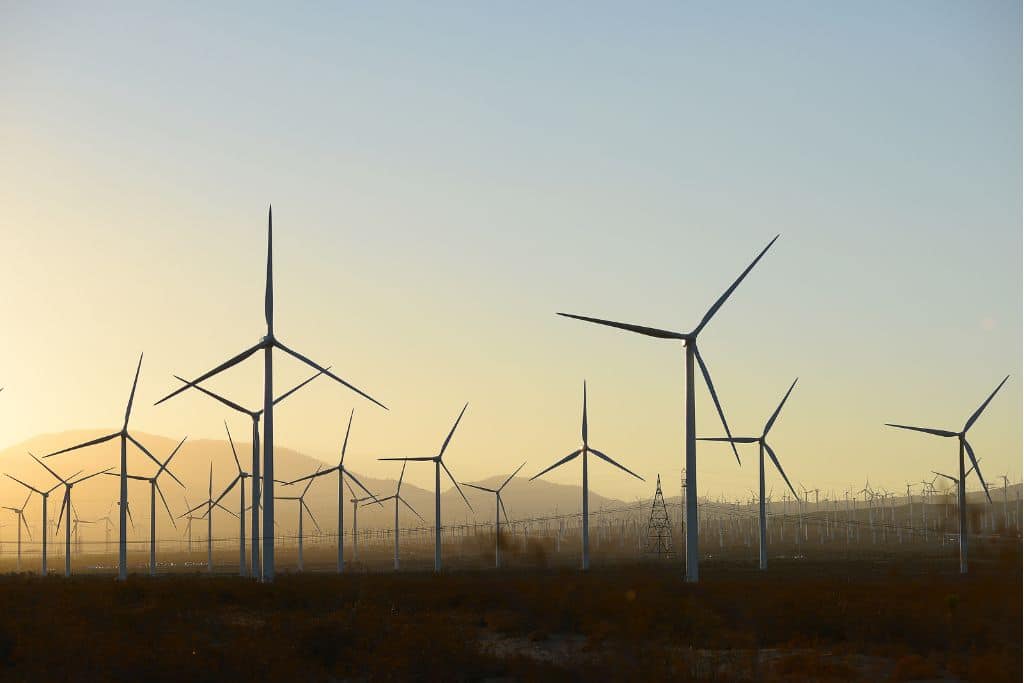
Despite the Trump administration’s relentless efforts to increase production of planet-warming fossil fuels, renewable energy continued to rise across the US, reaching 26% of generated electricity in 2025.
—
Since coming into office at the start of 2025, Donald Trump has made the promotion of fossil fuels a cornerstone of his domestic and foreign policy. It may therefore be surprising to learn that US utilities generated a record amount of electricity from renewable energy sources last year.
Around 26% of power in the country came from renewables, enough to power 108 million homes for an entire year. By the end of 2025, renewables accounted for 33.2% of utility-scale capacity – energy projects designed to generate electricity for the power grid rather than individual consumers. While support for fossil fuels is often tied to Republican policy, the Solar Energy Industry Association found that red states, including Texas, Florida and Ohio, accounted for 73% of new solar capacity added last year.
A February forecast from the US Energy Information Administration (EIA) show that generating capacity will reach record highs this year, with 93% of new capacity additions coming from solar, wind and batteries. This builds on a decades-long shift in the US energy mix, which has seen coal production in steady decline, falling by 53% between 2000 and 2024.
Behind this sustained growth is the declining cost of solar cells, wind turbines and large-scale batteries. Even without subsidies, renewables are now the most cost-competitive form of energy generation in the US. The case for renewables is further strengthened by the speed at which infrastructure can be deployed – under a year for a solar farm, compared to several years for a natural gas plant.

Calls to accelerate the transition away from fossil fuels have intensified amid the US-Israeli war in Iran. The devastating conflict has triggered what analysts describe as the worst oil crisis in history, with prices exceeding $100 per barrel in recent weeks. US-Israeli strikes have brought the Strait of Hormuz, a chokepoint through which one-fifth of the world’s oil supplies pass, to a standstill for weeks – although traffic partially resumed in recent days.
Unlike fossil fuels, renewable energy is largely insulated from geopolitical shocks, an argument that gained prominence at the start of the war in Ukraine and continues to be relevant in this current crisis. Nevertheless, the war in Iran has also introduced some short-term hurdles for the clean energy transition. For example, disruptions in the Strait of Hormuz have halted the transport of metals like aluminum, which is critical to the production of solar panels.
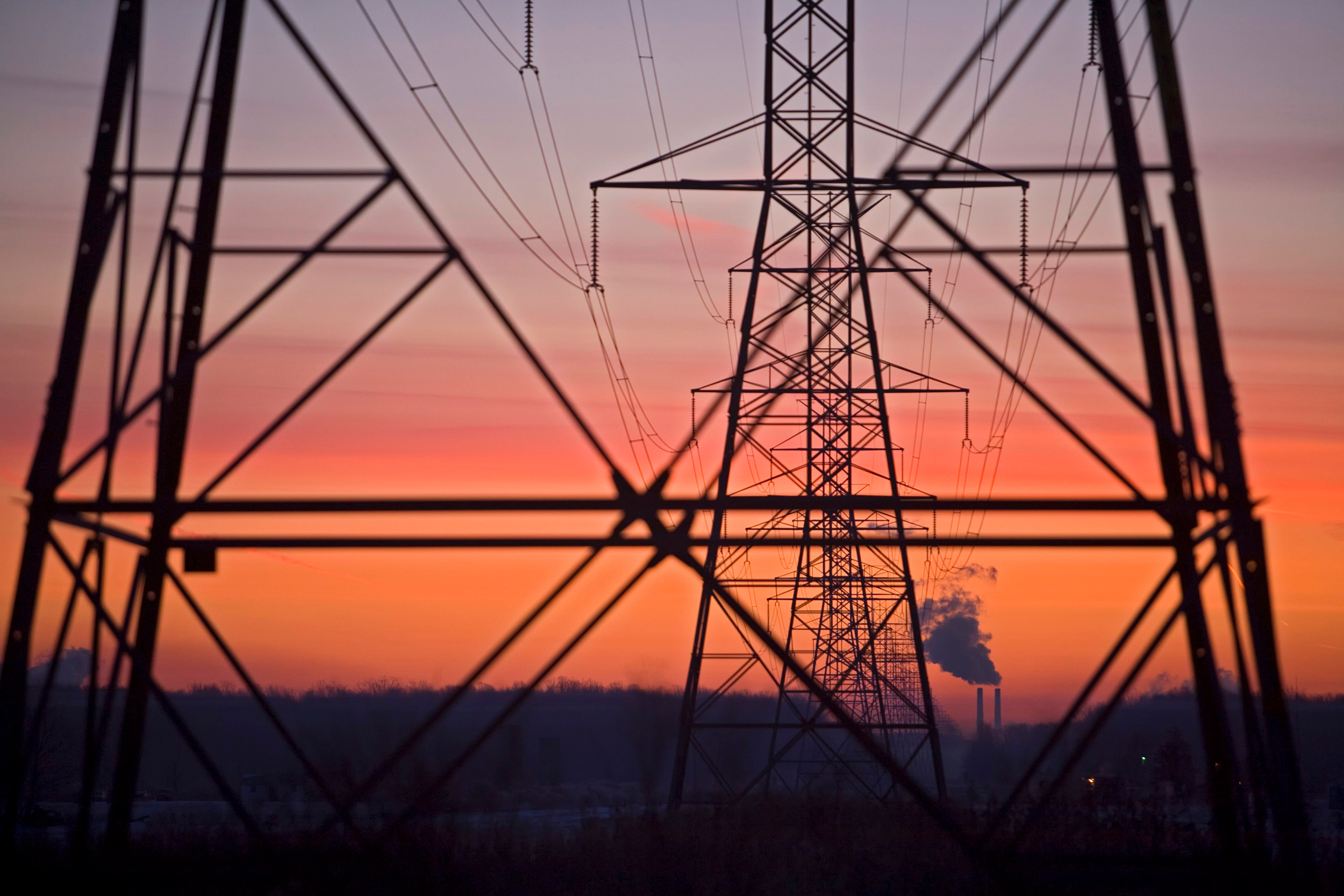
Electricity consumption has been rising since 2020, largely driven by growing consumption from data centers linked to the boom of artificial intelligence. Nationwide, electricity load – the amount of electricity on the grid at any given time – is expected to rise by 1.2% in 2026 and 3.1% in 2027.
In theory, this should be a boon for renewables, but the Trump administration’s fossil fuel-friendly policies are undoubtedly stymieing growth, leading analysts to project that natural gas will fulfill much of this growing demand for power.

The administration has been particularly hostile towards wind energy, reflecting a grudge held by Donald Trump which dates back to a failed attempt at stopping an offshore wind farm from being built next to his golf resort in Scotland. The president has since made false claims that wind energy is prohibitively expensive, that turbines cause cancer and kill birds, and that offshore wind farms make whales “go a little bit loco”. This personal aversion has directly translated into policies aimed at slowing the expansion of wind infrastructure across the US. The Interior Department even announced it would reimburse TotalEnergies close to $1 billion to drop plans of building two offshore wind farms off the coast of North Carolina and New York.
Tax credits and federal funding for clean energy projects have also been slashed or revoked, and dozens of construction projects were halted.
Still, a number of these policies have faced legal challenges. Last December, a district court in Massachusetts struck down a ban on new wind energy permits, ruling it “arbitrary and capricious and contrary to law.” That same month, stop-work orders were issued for five offshore wind farm projects off the East Coast – all of which have now been successfully challenged in court. And in January, a federal judge ruled that the cancellation of $7.5 billion in Biden-era clean energy grants was unlawful, as they predominantly targeted Democratic states.
Given current forecasts, the key question is not whether renewable energy will grow in the US, but rather how quickly – and how much that growth will be dictated by domestic policy choices.
Our non-profit newsroom provides climate coverage free of charge and advertising. Your one-off or monthly donations play a crucial role in supporting our operations, expanding our reach, and maintaining our editorial independence.
About EO | Mission Statement | Impact & Reach | Write for us
Tagged:
2026 Iran war Fossil fuels Renewable energy Second Trump administration United States
Search
RECENT PRESS RELEASES
Related Post