There Are Signs That China’s Auto Industry Is Melting Down
April 15, 2026
It’s understandable how the US has developed a love-hate relationship with China. We love their tech, clothes, shoes, and televisions – or at least we did until tariffs started pushing up prices. Still, you can visit 4,500 Walmarts and find shelves overflowing with Chinese goods that still seem like a bargain to many Americans. But we still disapprove of how they’re made.
Can America accept that China has replaced it as the manufacturing powerhouse around the world? Or that China owns the market for rare earth metals, has flooded the US with low-cost steel and aluminum, and has little regard for intellectual property laws? The relationship has come a long way since Americans thought only of delicate wedding porcelain or egg foo young when hearing the word China.
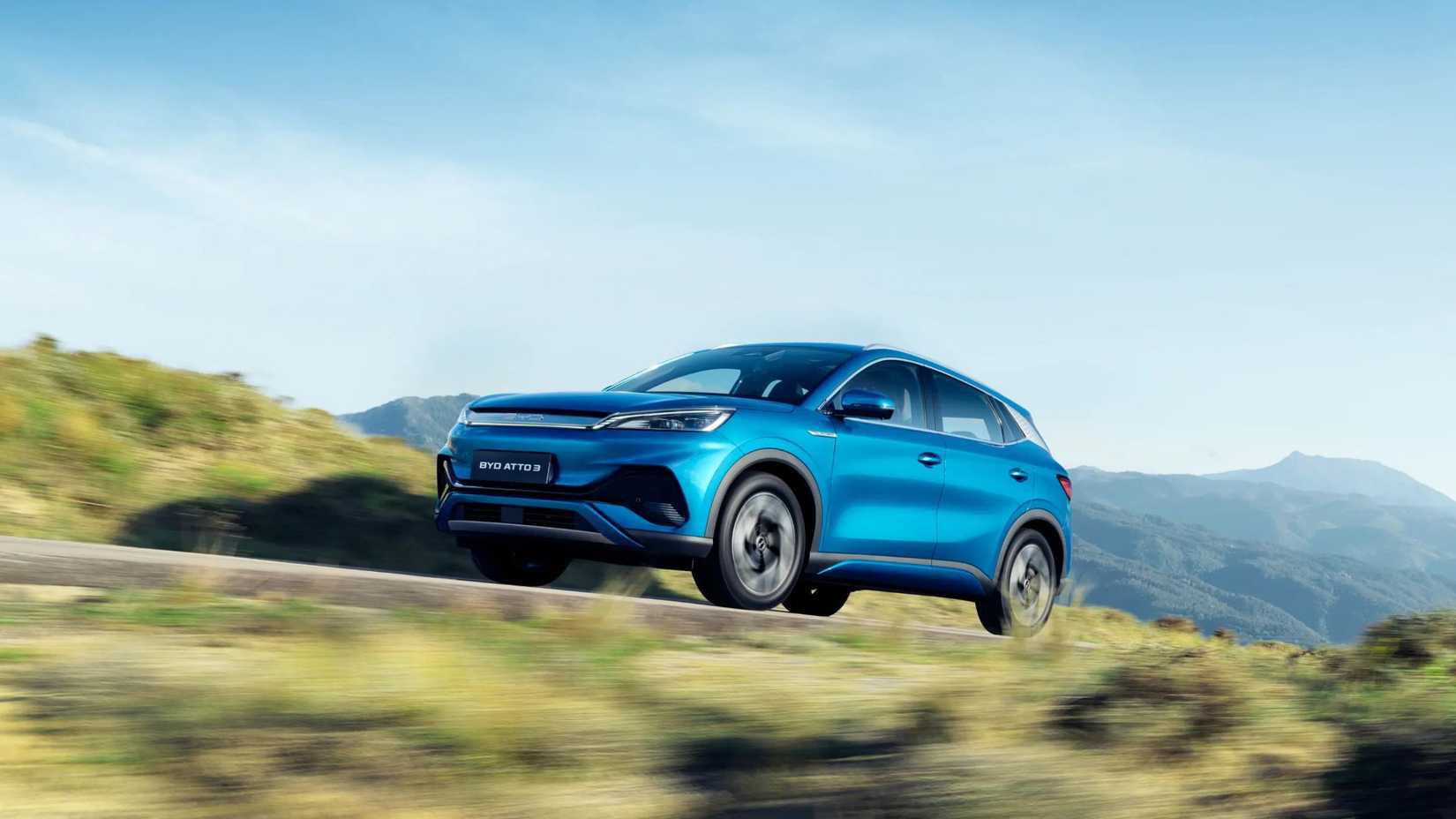
Despite this history, it wasn’t until the stark realization by the American auto industry that a line in the sand had seemingly been crossed: Chinese cars are better than ours. That wasn’t always the case. Their cars were cheap and crude before China joined the World Trade Organization in 2001 (with America’s blessing) and began growing its domestic auto industry at a speed and scale never seen before – all of it nurtured by management and technology from the world’s largest automakers just hoping for a piece of the action.
Putting Shoe On The Other Foot?
Engineer Mazen Hammoud was there to witness it happening, working three years for Ford in China, where the foreign manufacturers dominated vehicle development and manufacturing until the “inflection” point at which Chinese technology and capability surged.
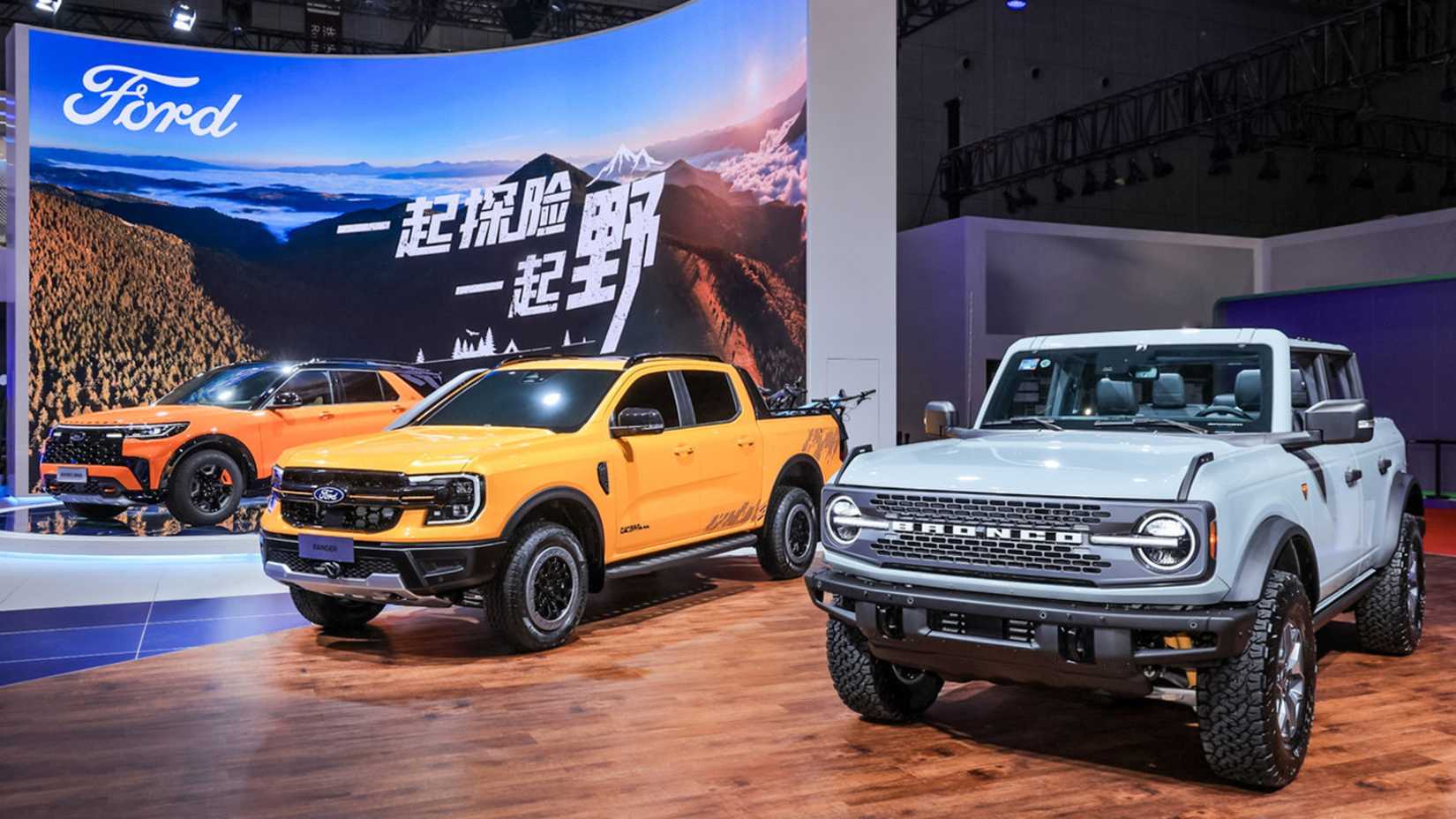
The Chinese government saw that it made no sense for local automakers to develop ground-breaking internal-combustion engines. “They decided to leapfrog (ICE), going into electrification and to be leaders in transportation,” Hammoud, Ford’s director of Motion Tech Strategy, said April 14 on a powertrain panel at the SAE International World Congress Experience in Detroit. “And that was supported by… regulations and government incentives.” As a result, Chinese automakers now dominate the EV market, accounting for 70% of global electric car sales and leading in technology.
“They have infrastructure, the supply chain, and they’re ruthless in pursuing efficiency.”
–Ford Powertrain Exec Mazen Hammoud
Hammoud said China’s top EV producers (including BYD, which outsold Tesla last year) are now on their fourth and fifth product-development cycles, which “gives you an advantage versus someone who’s finally starting to get into electrification in other parts of the world.”
While Chinese automakers have benefited from US technology over two decades, the shoe is now on the other foot in what will likely be a role reversal, said author and geopolitical analyst Gordon Chang, who also spoke at yesterday’s SAE confab with a provocative message, “China Is Driving the Global Car Industry… Off the Cliff.”

“We’ll be taking Chinese technology, because Chinese cars, as I say, are the best in the world.”
–Author Gordon Chang

US Buyers Want Chinese Cars. Why Are Dealers Afraid Of Them?
Perhaps it has to do with profit margins on inexpensive cars, but pricing might be less attractive by the time Chinese cars actually arrive.
During the Q&A, Chang quoted Ford CEO Jim Farley at last year’s Aspen Ideas Festival, where he said Chinese EVs are world-class. “And if we can’t figure out how to compete,” Chang recalled, “he said, ‘Ford doesn’t have a future.’ That’s how serious this is.” But don’t count Chang as a cheerleader for China. He’s a vocal critic who supports the Trump administration’s use of tariffs in confronting Chinese economic policy.
This all sounds like China is going to roll over the American auto industry like a steamroller, right? With automakers sounding alarms, it sure seems that way. But Chang isn’t convinced.
China’s Industry Is Huge, But Size And Speed Could Be Its Downfall
Commenting beyond the auto industry, Chang said the Chinese economy is in trouble, the ruling Communist Party is in turmoil, consumer sentiment is weak, the factory sector is in deflation, unemployment is at least 20%, and he believes China’s state banks are already insolvent.

He cited a Chinese official who said China has enough vacant apartments to house the nation’s entire population of 1.4 billion people, and he quoted a Reuters report that China’s car sector is heading for a crash. “There are about 150 car companies in China now, maybe when the shakeout finishes, we will see maybe about 15,” he said. “This is just a guess, but I think the luxury sector, where you find many foreign companies, will do fairly well.”
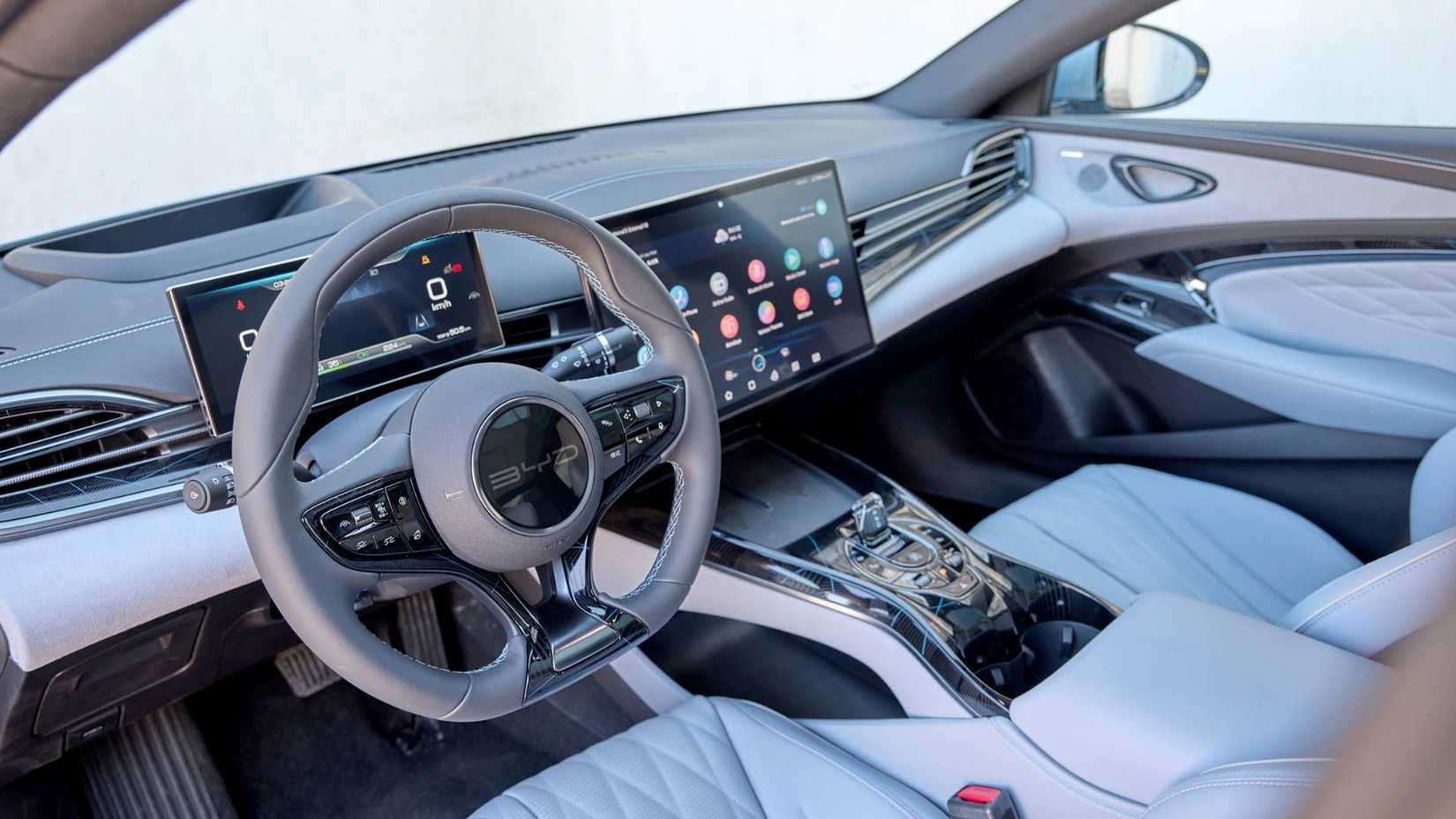
Ohio State University Professor Chris Atkinson posed a tough question for American automakers: “Can we compete with (China’s) automotive industry and 135 new entrants that sell vehicles below the cost of materials?”
Sherine Elakkad, vice president of Electrified Powertrain Planning for Stellantis, said Chinese control of raw materials is what keeps her up at night, especially lithium, which is 25% more expensive now. China processes 70% of the world’s graphite and 90% of rare earth metals, she said.
“It’s really scary because a certain region (is) really holding all the main material for our components,” she said. “We really need to push more for localization, develop early with the suppliers… and be part of the co-development.”

Chinese Automakers’ Shocking Secret to Lightning-Fast Vehicle Development
Chinese automakers can develop new vehicles in as little as 18 months, significantly faster than legacy companies. What does this mean for the future?
While noting that car sales in China fell 17.4% in March compared to the same month last year, Chang did find an upbeat development with regard to Western automakers in China. “In the combined January and February period, it was fascinating that Volkswagen overtook BYD as the best-selling brand in China, and also Toyota overtook BYD.”
Chang closed his speech by quoting Russian revolutionary Vladimir Lenin: “There are decades when nothing happens, and there are weeks when decades happen,” Chang said. “And right now, ladies and gentlemen, decades are happening in weeks.”
Search
RECENT PRESS RELEASES
Related Post