Europe’s EV Sales Jump 51% as Iran War Sends Gasoline Prices Soaring
April 20, 2026
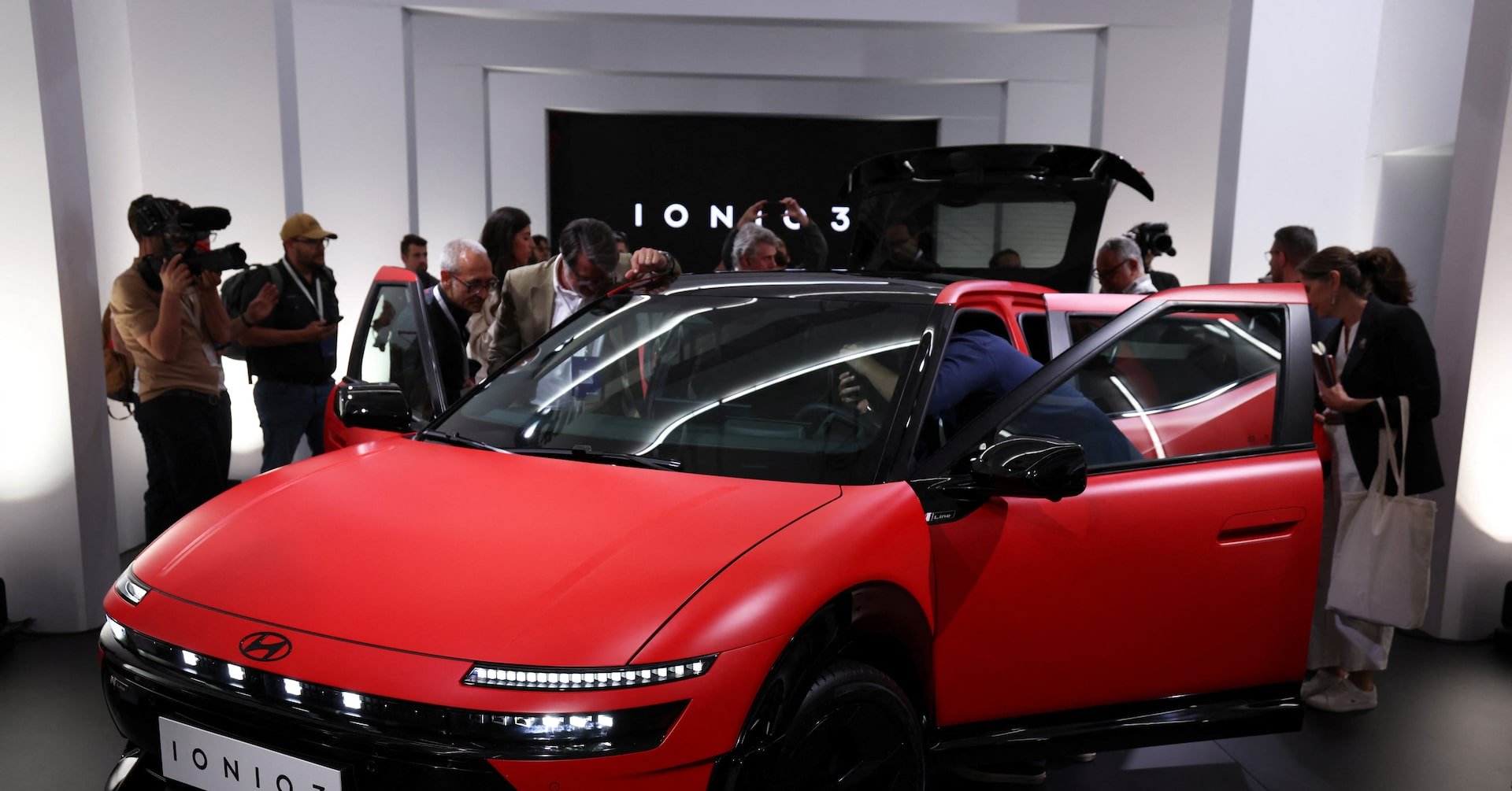
Registrations of battery electric vehicles (BEVs) in Europe’s key automotive markets surged by 51% in March as the Iran war pushed gasoline prices to multi-year highs, data published by research firm New Automotive and trade association E-Mobility Europe showed on Monday.
More than 224,000 new electric passenger cars were registered in March alone across 15 key EU + EFTA markets, the analysis found. These sales accounted for as much as 22% of all new passenger car sales across the key European markets.
In another sign that expensive gasoline is pushing drivers to EVs, European Union member states registered more than 500,000 new electric cars in the first quarter of 2026, a surge of 33.5% compared to the same period last year, the data showed.
New BEV registrations accelerated across every major EU market in the first quarter of 2026. Europe’s five largest countries — Germany, France, Spain, Italy, and Poland — all recorded BEV growth above 40% year-to-date.
Set OilPrice.com as a preferred source in Google .
Europe’s biggest car market, Germany, saw a rebound in EV sales after the introduction of new incentives, with around one in four cars registered in March fully electric – a 42% year-to-date jump, according to the data.
Italy’s BEV registrations soared by 65% year-to-date, boosting the EV market share to 8.6% in March from about 5% as of the end of 2025.
France continued to lead among large markets with a 28% BEV share in March, underpinned by its social leasing scheme, and nearly 50% year-to-date growth.
Energy security was the catalyst for change in driver choice in recent weeks, analysts at New Automotive and E-Mobility Europe say.
“At a time when energy security has moved to the top of the political agenda, the EV transition is delivering real and measurable resilience,” commented Ben Nelmes, CEO of New Automotive.
“The pace of change we’re now seeing across major European markets — including countries like Italy and Poland that were slower to start — suggests the transition has entered a new phase.”
By Tsvetana Paraskova for Oilprice.com
More Top Reads From Oilprice.com
- Tanker Fleet Heads to Load U.S. Oil as Middle East Supply Crumbles
- India Pays in Yuan for Iranian Oil Purchases Under U.S. Waiver
- Iran Issues Stark Warning Over U.S. Naval Blockade
Search
RECENT PRESS RELEASES
Related Post