New Records Set in the Renewable Energy Marathon
April 29, 2026
Last weekend at the London Marathon, Sebastian Sawe delivered the world’s first-ever official sub-two hour time. I’m a clean energy nerd and a wannabe runner; his performance was truly stunning and awe-inspiring. It also got me thinking about another marathon: the race to clean and renewable energy, which has also broken record after record recently. At a time when good news is harder to find, all of these milestones are well worth celebrating.
The Trump administration and its allies in Congress have conspired to slow the transition to clean energy in this country, undercutting solar and wind power, propping up coal plants, and backing fossil fuels over renewable energy at every turn. Clean energy, though, has pushed back, and pushed forward. Solar in particular came into the second Trump administration with a whole lot of momentum, and that momentum has carried renewable energy to many new heights lately.
Here are four examples of impressive renewable energy progress, how they came about, and what to watch for next.
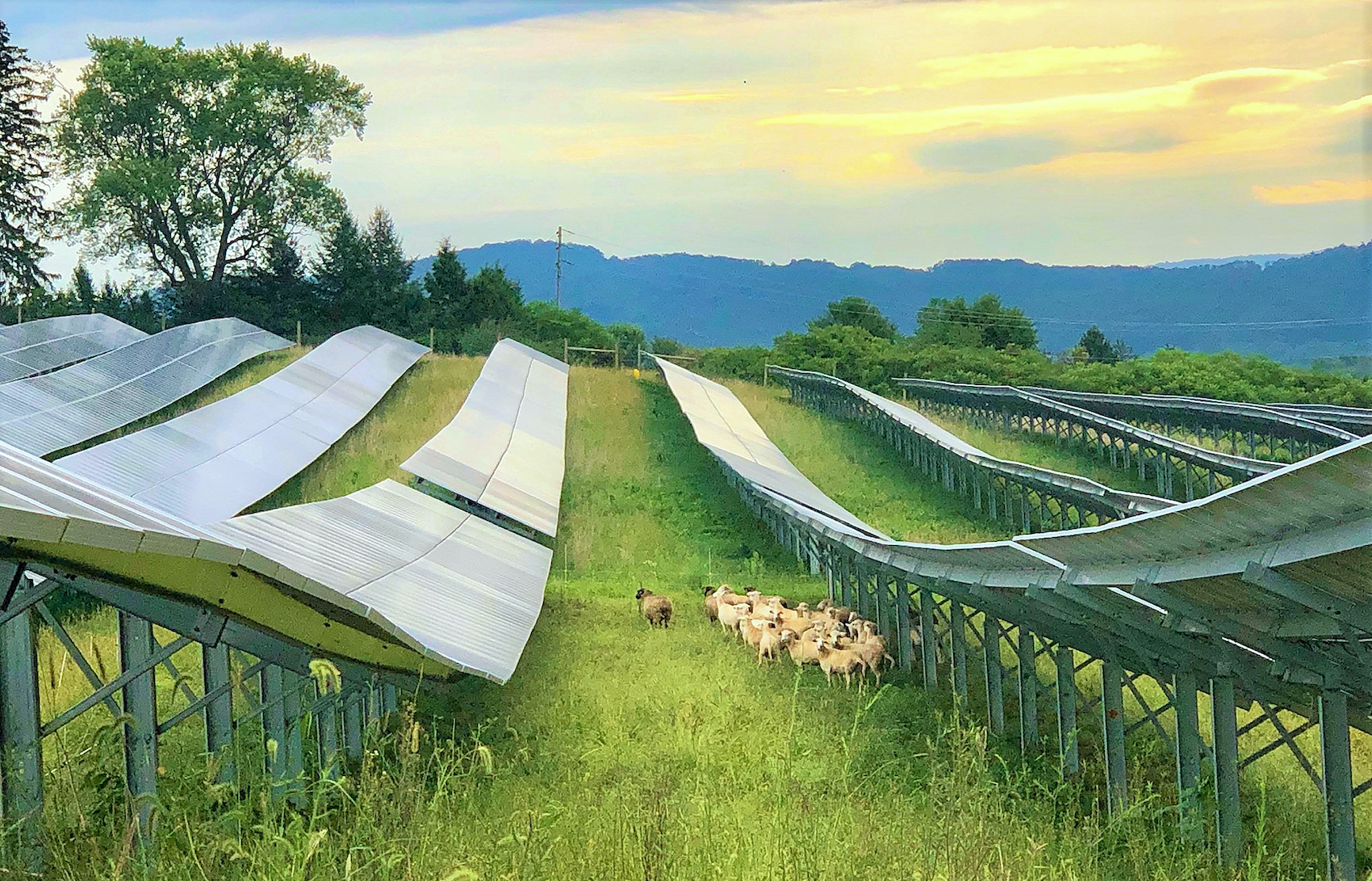
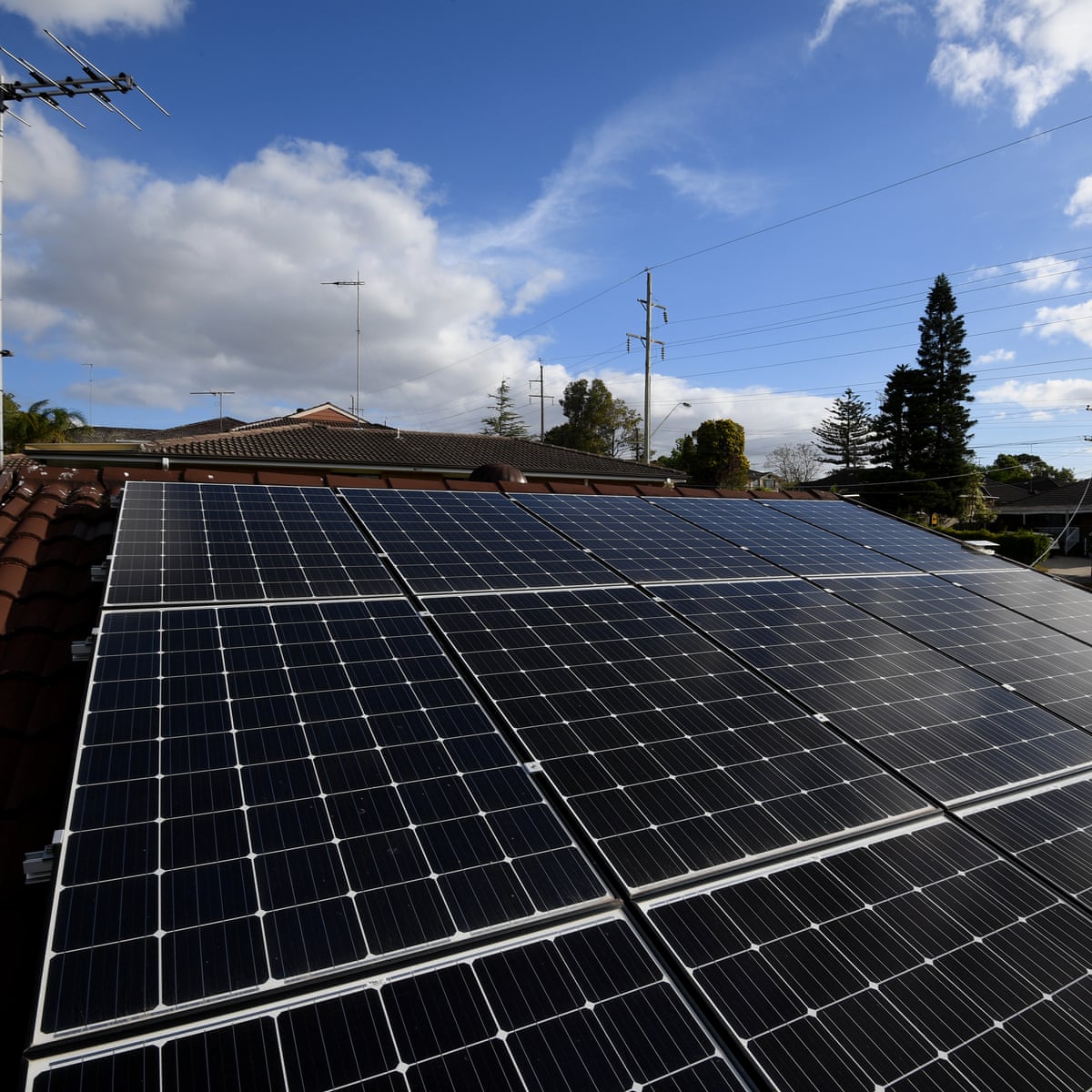
What happened: US solar generation in 2025 was a stunning 28% higher than in 2024. The electricity flowing from all our solar—on rooftops and parking lots, in fields and deserts—was equivalent to the amount used by every household across 14 states in the Midwest and Northeast, from Wisconsin to New Jersey and up to Maine. Solar generation in a single month (July 2025) was more than a full year’s worth of solar generation just a decade ago.
How it happened: A lot of solar capacity has come online lately. 2024 was a record year for new solar installations in the United States, 21% higher than the previous record-setter. While new installations in 2025 were down from that height, last year still had the second-highest tally ever. Texas installed a Texas-sized amount of that recent solar, California followed, and Indiana took the #3 spot, up from #15 in 2023. The total capacity by the end of 2025 was enough to meet the electricity needs of tens of millions of US households.
What’s next: The pace of new installations will be driven in part by deadlines and restrictions imposed by last year’s megabill, and will also depend on the vagaries of the tariff regime under this administration. This year is sure to break the record for solar generation yet again, though, with all of 2025’s installations leaping into action and more solar coming online every day. Preliminary results suggest that solar electricity generation year-to-date is more than 20% higher than in the same period last year.
What happened: Wind power is the largest source of renewable energy in this country, and it keeps growing. For example, last month in New England, wind farms added up to a record amount of peak generation—more than 30% above where the region’s wind record had stood just six months earlier. Plus, a record-breaking project is starting to come online in the US Southwest: SunZia will be the largest wind project in North America—and, with its associated transmission line, the largest US renewable energy project ever.
How it happened: InNew England’s case, a lot of credit goes to offshore wind. While the region’s land-based wind farms play an important role, what’s new are the injections of power from offshore wind turbines. Vineyard Wind, located in the waters off Massachusetts, has been generating power from a majority of its turbines since last year, and will be fully online very shortly. Once it’s completed, it will be the first large-scale offshore wind project in the United States—indeed, in all of the Americas. Add in strong offshore winds, and you have a recipe for some awesome generation—including at times when the region needs it most.
In the case of SunZia, the “how” includes a whole lot of patience. The project involves a remarkable 916 wind turbines in New Mexico and a 550-mile transmission line to carry the power to Arizona, where it goes on to serve customers in California. And it took over two decades, most of that in permitting, to get to this stage.
Even as it is coming online, SunZia is breaking other records: the amount of wind generation showing up in California’s electricity mix has leapt to new records multiple times in the last few weeks.
What’s next: Overall, the way forward for wind power is much fuzzier and more challenging than it should be, in part because of the Trump administration’s particular animus toward it, especially offshore wind. So one thing to watch for is the progress of the various lawsuits against the administration, which are trying to put an end to their various illegal moves to block wind farms.
But some next steps are clearer, including for the handful of offshore wind projects that are moving forward.
- The workers responsible for bringing Vineyard Wind to life installed the blades on the final turbine last month, so once the electrical systems and final tests are done, it’ll be all systems go.
- Revolution Wind, also in the area south of Massachusetts/east of Long Island, is itself almost fully built, and just started sending power to New England too. That contribution will ramp up as the project moves to completion.
- The Coastal Virginia Offshore Wind project, under construction, will be the largest in the country and one of the largest in the world when it comes fully online next year; last month it sent its first megawatt-hours to the mid-Atlantic electricity grid from some of the turbines already in place.
- Two other offshore wind farms also under construction, Sunrise Wind and Empire Wind, will soon be strengthening the New York electric grid.
Onshore, the new SunZia wind and transmission capacity will continue to show up in increasingly high levels of wind for California.
And wind records will continue to be broken elsewhere. Each of the other regional transmission organizations (grid operators) across the country—in the Mid-Atlantic and Midwest, New York, the midcontinent, Texas, and the Southwest—have scored records in the last few months.
What happened: Renewable energy generated more than a quarter of US electricity in 2025 for the first time.
How it happened: All that new renewable energy capacity adds up to more renewable electricity. Wind maintained its spot as the top renewable source, accounting for more than 10% of US generation last year. Solar’s fast growth brought it to almost 9%—four times its contribution in 2018. Hydro power was the next largest contributor, at 5.5%.
What’s next: Though there’s been considerable variability over the years, renewable energy’s contribution to overall US electricity supply has increased by an average of 1.2 percentage points per year. The federal Energy Information Administration (EIA) forecasts that renewables will be the source of the most growth in generation in 2026, with solar increasing 17% and wind 5%.
What happened: In March 2026, for the first time ever, US renewable electricity beat gas generation over the course of a full month. Renewables accounted for 35% of generation, vs. gas’s 34.4%, according to Canary Media.
How it happened: Spring is always a strong time for renewable energy—the sun is shining, the winds are blowing, the waters are flowing. And the interlude between winter’s cold and summer’s heat is when demand for electricity is lowest. That all means less demand for gas. This recent crossover milestone, though, is principally a consequence of all the new renewables capacity of late.
Renewables’ strong showing last spring meant that these sources plus nuclear generated more than half of US electricity in March 2025 for the first time ever. That is, fossil fuels fell below the 50% mark. That happened again in April 2025 and March 2026.
What’s next: Watch for more months when renewables outperform gas, and fossil fuels get pushed below 50% (as a prelude to much greater push-downs in the years ahead); spring, and then fall, will be where that phenomenon will be more likely. More such achievements will require renewables continuing to grow and outpace increases in demand at a time when demand for electricity is growing more rapidly than it has for years—and all while contending with a major push for new gas-fired power plants and a Trump administration aggressively thwarting new clean energy deployment. But renewables have proven themselves time and again.
Renewable energy is making even more of a mark globally. Here’s a sample:
- According to analyst firm Ember, wind and solar generated more power than fossil fuels in the European Union for the first time over the course of 2025.
- In Colombia, solar power alone supplied more electricity than coal on an annual basis for the first time.
- Solar globally grew by a record amount in 2025, said the International Energy Agency (IEA), with China accounting for more than half that growth, the European Union achieving record numbers, and India posting 60% growth.
- Solar was “the single largest contributor to growth in global energy supply in 2025,” the IEA said—”the first time on record that a modern renewable source has led global primary energy supply growth.” Solar supplied more than 25% of that increase, compared to 17% for gas.
- Wind installations globally also hit a record (also led by China).
- Overall, the world installed a record amount of wind and solar—17% more than in 2024.
Renewable energy’s momentum is a product of the many advantages it offers. Renewable energy is not just the cleanest but often the cheapest source of new electricity in the United States. Solar and wind have the advantage of potentially being faster to get installed than new gas plants, given the multi-year backlogs for gas turbines. And worldwide disruptions have brought into stark relief more of the risks of dependence on fossil fuels.
None of that means that new fossil fuel plants won’t get built, particularly given a big thumb on the scales from the White House. It does mean, though, that where clean energy is allowed to compete, the outcomes will likely to continue to testify to those advantages.
And projections bear that out. Solar, wind, and energy storage (batteries) combined had a record year in 2025, and made up more than 90% of new energy capacity in this country, according to industry association American Clean Power. And they will make up 93% of what gets built in the power sector in 2026, forecasts the EIA. All that will add up to more clean energy, and give us even more possibilities for phasing down fossil fuels and accelerating the transition to a clean and just energy future.
The transition to clean energy is a marathon, not a sprint. The people and communities behind clean energy in its many forms and uses will continue to push boundaries and break record after record. Count on it.
Search
RECENT PRESS RELEASES
Related Post