Electric Vehicle Fee Bill Would Add $130 Annual Charge For EV Owners – North American Community Hub
May 19, 2026
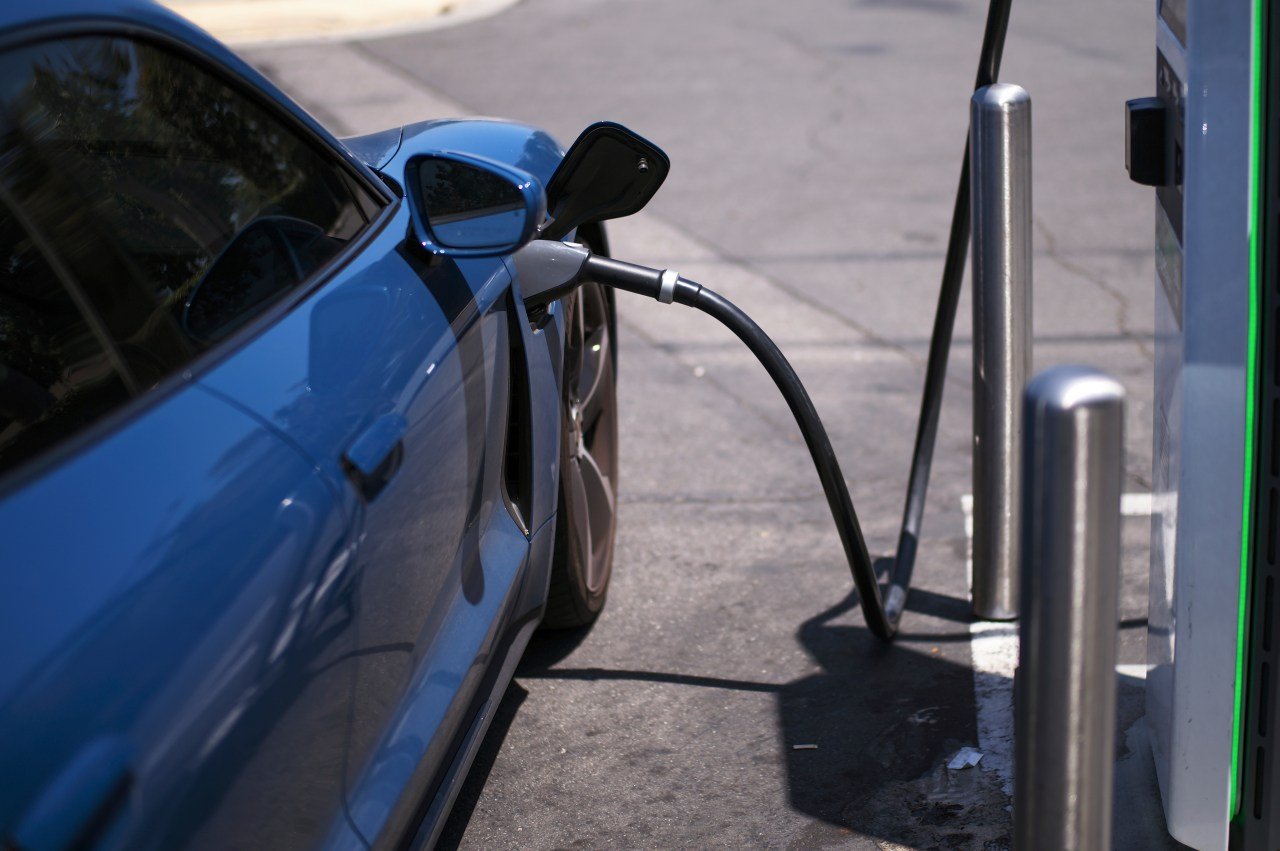
A new electric vehicle fee bill in Congress would require many EV owners to pay an annual federal charge, adding a fresh cost to electric vehicle ownership at a time when lawmakers are debating how to fund roads, bridges, and transit projects.
The proposal is included in the BUILD America 250 Act, a bipartisan five-year surface transportation bill released by House Transportation and Infrastructure Committee Chairman Sam Graves, a Missouri Republican, and Ranking Member Rick Larsen, a Washington Democrat.
Under the bill text, owners of covered electric vehicles would pay $130 per year. Owners of covered plug-in hybrid vehicles would pay $35 per year.
Beginning in 2029, both charges would increase by $5 every two years, with the electric vehicle fee capped at $150 and the plug-in hybrid fee capped at $50.
Table of Contents
What The Electric Vehicle Fee Bill Would Do
The measure also includes penalties for states that fail to collect and remit the fee. A state that does not follow the collection requirement could lose federal highway funding equal to 125 percent of the amount owed.
For drivers, the proposal would add a recurring annual cost rather than a one-time charge. The payment would likely appear during registration or renewal, depending on how each state handles vehicle paperwork.
Why Congress Is Targeting EV Road Funding
View this post on Instagram
The Highway Trust Fund relies heavily on federal fuel taxes. The federal gasoline tax has been fixed at 18.4 cents per gallon since 1993, according to the Federal Highway Administration.
The diesel tax stands at 24.4 cents per gallon.
Gasoline and diesel drivers pay into the system when they buy fuel. Battery-electric vehicles do not use gasoline, while plug-in hybrids use less fuel than conventional vehicles. Supporters of the electric vehicle fee bill argue that EV drivers still use public roads and should contribute to the federal transportation system.
Committee leaders say the broader BUILD America 250 Act would support highways, bridges, transit, rail, freight movement, and safety programs. The section-by-section summary describes the EV charge as a new registration fee under the Federal Highway Administration.
Why The Fee Could Become Politically Controversial
The main dispute centers on whether a flat annual fee treats drivers fairly. A low-mileage EV owner would pay the same $130 as a driver who uses the vehicle every day for long trips. Gas taxes work differently because drivers who buy more fuel pay more into the system.
Consumer Reports has argued that flat EV registration fees can charge some electric vehicle owners more than many gasoline drivers pay in federal fuel taxes. Its road funding analysis places average federal gas tax payments for many drivers at roughly $70 to $90 per year, which is below the $130 EV fee proposed in the bill.
The Wall Street Journal reported that the proposal could add $130 per year to the cost of driving an electric vehicle. The topic also drew coverage from The New York Times, as EV fees become part of a wider national debate over transportation funding.
Many States Already Charge EV Owners Extra
@molesrcool A new bill seeks to add a $130 annual fee just to continue owning your EV on top of all other existing taxes. Meanwhile lifted trucks continue to get a free pass. Make it make sense. #carsoftiktokcontest #carculture ♬ original sound – molesrcool
The federal electric vehicle fee bill would build on a policy many states have already adopted. The National Conference of State Legislatures says at least 41 states charge special registration fees for electric vehicles, plug-in hybrids, or both.
State lawmakers have used those fees to offset lower fuel tax collections as more efficient vehicles and electric models gain market share. The federal proposal would create a national layer on top of any state-level EV charges that already apply.
The current surface transportation authorization expires on September 30, 2026, giving Congress a deadline for passing a new transportation package. The BUILD America 250 Act is an early marker in that debate, with the EV fee likely to receive close attention from automakers, drivers, state transportation departments, and clean-energy advocates.
For now, the electric vehicle fee bill remains a proposal. It would need to move through the House, survive negotiations with the Senate, and become part of a final transportation law before drivers see the new charge on registration paperwork.
If passed, the measure would mark a major shift in how Washington funds roads in an era of electric vehicles. The central question is no longer whether EV drivers should help pay for the transportation system, but how Congress should design a payment system that feels fair to drivers and reliable for road funding.
Search
RECENT PRESS RELEASES
Related Post