Rivian R2 Is Imminent: How It Stacks Up Against The Tesla Model Y
May 31, 2026
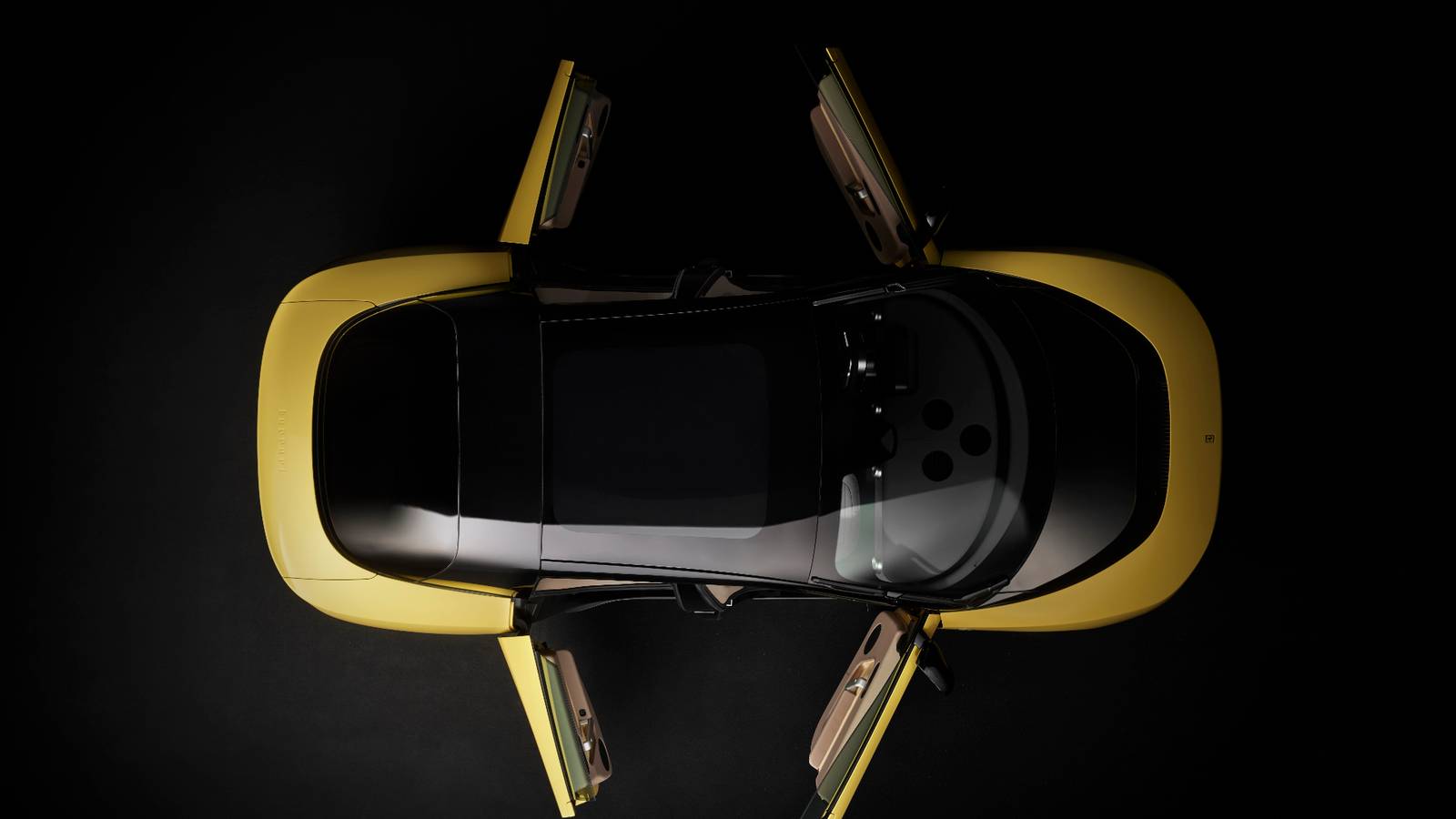
The Rivian R2 launch is set for June 9. It is one of the most highly anticipated electric vehicles in recent years. And the R2 is loaded with cutting-edge hardware and AI to compete with Tesla.
The R2 Is Bound to Be Judged Against the Model Y
The comparison is inevitable. The Model Y, the bestselling EV in the U.S., competes with the R2 in size and AI smarts. “The R2 that’ll hit the streets this summer will be the nearly-$60,000 Performance model with 656 horsepower. The price lines up with the 510-hp Model Y Performance,” said Car and Driver Editor-in-Chief Tony Quiroga in an email. The most inexpensive version of the R2, around $45,000, won’t be available until late 2027, according to Rivian’s website.
But the initial high price may not impact sales necessarily. “The customers probably aren’t that price sensitive. Both are considered luxury brands, so there’s less price sensitivity,” said Quiroga.
Rivian Faithful Vs. Tesla
Rivian already has a core of passionate, loyal owners but Tesla has a ten-year head start. “While Rivian has generated its own core group of fans, it hasn’t engendered the same kind of cult-like interest that Musk’s Tesla did,” said Sam Fiorani, Vice President, Global Vehicle Forecasting at AutoForecast Solutions. And another challenge it faces is the post-tax-credit EV market. “After the market for electric vehicles in the U.S. peaked in 2025, it has been difficult for any electric vehicle manufacturer, even Tesla, to regain its footing,” he added. (Though prospects have improved with the spike in gas prices.)
Where The R2 Breaks With The Model Y: Off-Road
Rivian makes copious use of “adventure” on its website and in promotional materials. To potential car buyers, that boils down to off-road. “The R2 has the ground clearance to venture off road, something Model Y owners don’t do,” Quiroga said. “Powerful, efficient…Built to go anywhere, on-road and off — with up to 9 drive modes that optimize for the terrain at the touch of a button,” Rivian says on its website.
Where The R2 Breaks With The Model Y: Sensors
Rivian is not skimping on vehicle AI, also known as ADAS or Advanced Driver Assistance Systems. The R2 will come with cameras, radar, and Rivian’s Autonomy+ AI software. (LiDAR will come later.) You might call it the “belt and suspenders” approach to sensing the world. Also known as redundancy. Rivian believes that a redundant suite of cameras, radar, and (later) LiDAR will allow the R2 to cross-verify physical reality. This triple-layer redundancy should ultimately allow the R2 to handle point-to-point (door-to-door) driving without constant human supervision.
This is in stark contrast with Tesla’s camera-only approach. “Tesla’s full-self-driving system relies solely on cameras and lacks radar and lidar sensors, but works remarkably well,” said Quiroga. Rivian’s approach can be compared to Waymo, which also uses a diverse suite of sensors. Waymo is considered, in some respects, the gold standard* because it is a truly driverless robotaxi service.
The Rivian Gen 3 autonomy platform integrates 11 cameras, 5 radars, and a high-mount LiDAR sensor (included on later R2 trims) and an in-house RAP1 processor (capable of 1,600 trillion operations per second). While the cameras provide semantic context (reading signs and lights), the imaging radars can, for example, track velocity through poor weather. The LiDAR is like a high-speed digital ruler. It uses lasers to instantly measure the distance to every object around it, creating a precise 3D picture that doesn’t rely on visual guesswork. (See my road test of Rivian’s updated autonomy platform.)
Search
RECENT PRESS RELEASES
Related Post