Why I avoid subscriptions through Roku and Amazon
June 4, 2026
Cord-Cutter Confidential
Just sign up for streaming services on the web instead.

Image: Jared Newman / Foundry
Summary created by Smart Answers AI
In summary:
- PCWorld highlights that subscription marketplaces like Roku and Amazon consolidate streaming service billing but often restrict content access to their platforms only.
- Direct subscriptions through streaming services’ websites typically offer better deals, exclusive bundles, superior app interfaces, and greater financial control than marketplace options.
- While marketplaces provide free trials and occasional exclusive discounts, they generally introduce complexity without significant savings, primarily benefiting the platform rather than users.
There are too many ways to pay for TV, and some are better than others.
Roku, Amazon, and YouTube increasingly want you to sign up for streaming through their respective subscription marketplaces, rather than the streaming services’ own websites or mobile apps. The pitch is that they’ll consolidate more of your subscriptions in one place, so you’ll have fewer streaming menus and billing systems to deal with.
Alluring as that may be, these third-party subscription marketplaces may cost you more and come with frustrating access restrictions. They also create more confusion around which company’s in charge of your subscriptions. When I’m signing up for streaming, I almost always avoid these marketplaces and just subscribe directly through the streamers’ websites instead.
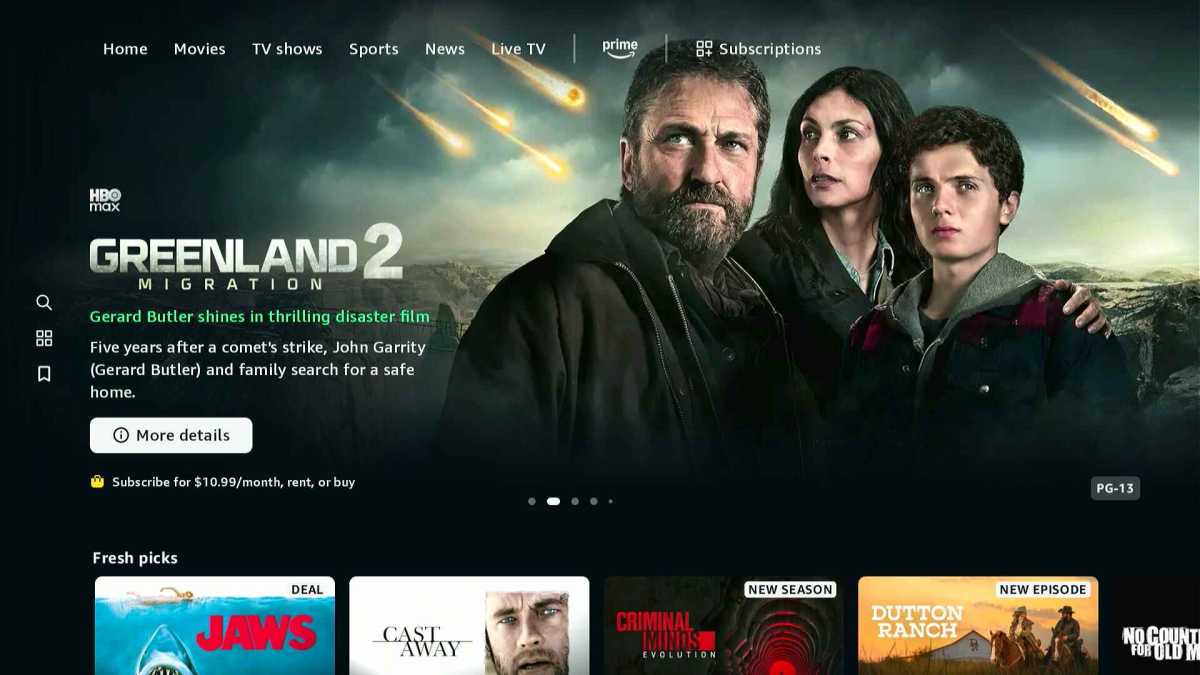
By “subscription marketplaces,” I’m referring to third-party platforms that sell access to multiple streaming catalogs in one place, including HBO Max, Paramount+, AMC+, and Starz. Some notable examples:
- Roku’s “Premium Subscriptions” are sold through the Roku Channel, both on Roku’s streaming devices and on the web.
- Amazon’s “Prime Video Channels” are sold through the Prime Video app and on Fire TV devices.
- YouTube’s “Primetime Channels” are sold through the YouTube app and website.
- “Apple TV Channels” are sold through Apple’s TV app on iOS, Mac, and Apple TV devices.
Jared Newman / Foundry
Signing up through one of these platforms is not the same as downloading a streaming app on your phone or TV. When you download an app, it may whisk you along to its own website to sign up, or it may use the in-app purchase mechanism that your phone or streaming device offers.
By contrast, these marketplaces play by a different set of rules, using their own billing systems and offering their own ways to access the underlying content. (Like I said, there are too many ways to pay for TV.)
Here’s why I seldom bother with them:
I’m always trying to avoid paying full price for streaming, and I keep a big list of active streaming deals on my website to help others do the same.
If you want the best deals, you usually have to get them directly through the streamers’ websites. Want a free month of Apple TV? Paramount+ for $1 per month? The usual Black Friday sale pricing on Disney+ and Hulu? You won’t find those offers on streaming marketplaces.
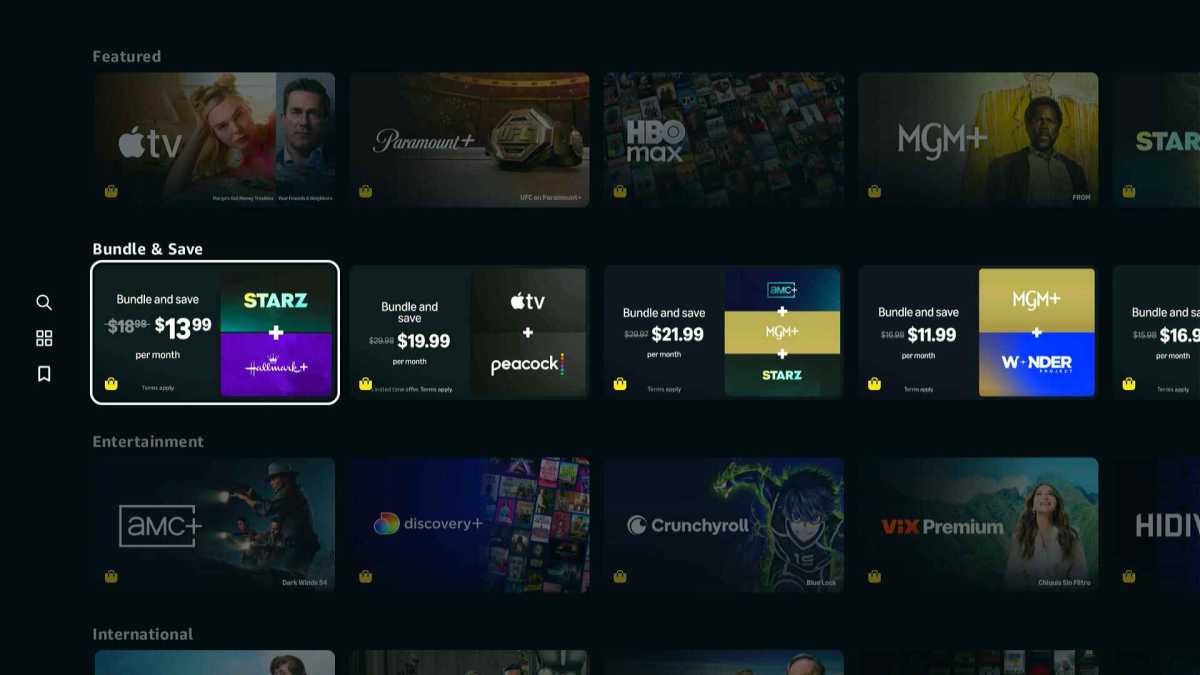
The marketplaces are also missing some of the bundle deals that the streaming services offer directly. Amazon and Roku’s marketplaces will sell you HBO Max, for instance, but not the discounted HBO Max bundle with Disney+ and Hulu. They have Fox One, but not the bundle with ESPN Unlimited that knocks $10 off the monthly price. Meanwhile, Amazon only offers an ad-free bundle of Peacock and Apple TV for $20 per month. Signing up directly through Peacock or Apple gives you an option for ad-supported Peacock that’s $5 per month cheaper.
The marketplaces do have their own bundles and periodic sales. Amazon in particular has been pushing multi-service bundles, like one that combines MGM+, Starz, and AMC+ Premium for $22 per month, $9 less than when sold separately. But these tend to involve less-popular services that you might not want year-round.
Jared Newman / Foundry
When you subscribe to a streaming service through marketplaces like Roku Premium Subscriptions and YouTube Primetime Channels, you may have to use those platforms to access the content.
There are some exceptions. Amazon, for instance, lets you link your account with Apple TV or HBO Max, so you can use their respective apps after signing up through Prime Video Channels. Typically, though, you can’t use the streaming services’ own apps at all.
Jared Newman / Foundry
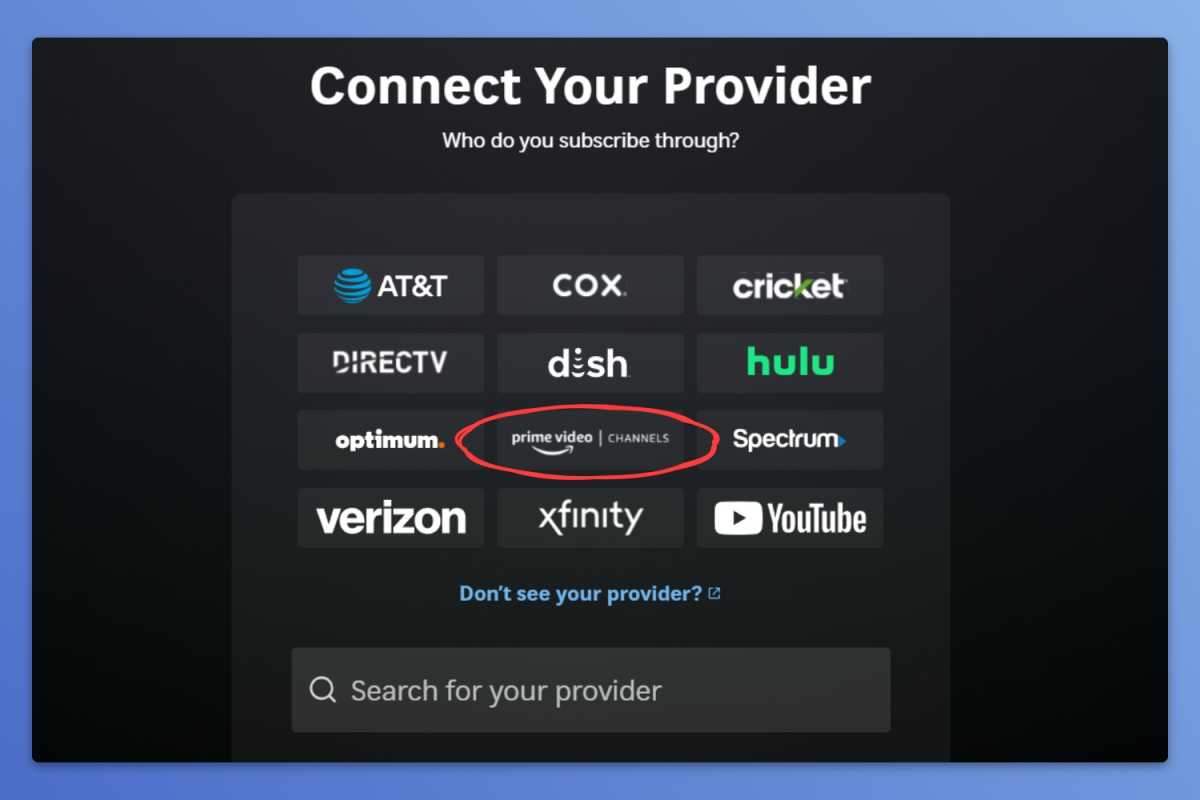
This is especially a problem with Roku Premium Subscriptions, which are only available through the Roku Channel app on the company’s streaming devices, or within a web browser. While the Roku Channel app is available on other streaming platforms like Fire TV and Google TV, you can’t access your subscriptions on those devices.
You may prefer to use a streaming service’s own app for other reasons. Perhaps you like the app’s interface better, or you want quick access to a specific catalog directly from your streaming device’s home screen. In those cases, you’re also better off just subscribing to the service directly.
One of the supposed benefits of these streaming marketplaces is their ability to consolidate billing. You can sign up for multiple services without re-entering payment details, and you can manage all those subscriptions through a single web page. (Relevant links for Roku, Amazon, and YouTube.)
What I’ve heard from readers, though, is that these marketplaces can lead to more confusion about who’s in charge of your subscriptions, especially because not every service supports the marketplaces to begin with. If you sign up for HBO Max through Amazon, for instance, you have to cancel through Amazon. If you sign up for Fox One through Roku, you have to cancel through Roku. But when you sign up through Netflix directly, you must cancel through Netflix.
In my mind, it’s easier to keep track of subscriptions when they’re all tied to a streaming service’s own website. As a bonus, you can also pay for these subscriptions with limited-use cards to control your streaming budget and avoid unexpected price hikes. That’s harder to do when several subscriptions are tied to a single payment method.
Jared Newman / Foundry
I’m not fully against using marketplaces like Roku Premium Subscriptions or Amazon Prime Video Channels, but they have to provide clear value beyond what you’d get by signing up for a service directly. Some examples of where that applies:
- Free trials: Many marketplace subscriptions come with one-week trials, even as their standalone counterparts have dropped them. Grabbing a trial can be a slick way to watch a specific series or sporting event for free.
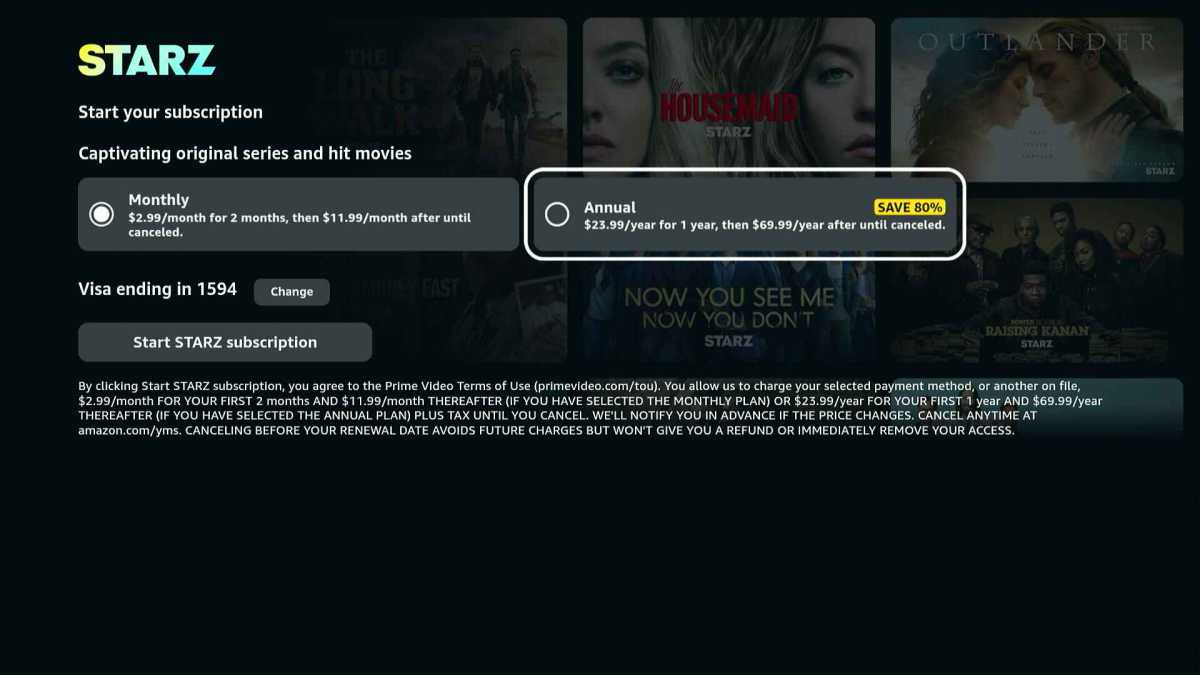
- Exclusive discounts: Amazon, for instance, is currently offering a year of Starz for $24, which is $12 less than the sale price on Starz’s website. Feel free to take advantage of those offers—but remember how you paid for them.
- Bundle deals on services you actually want: Comcast, for instance, now lets its customers mix and match Peacock with Netflix, HBO Max, Disney+, and/or Hulu at significant discounts. Amazon’s bundles are considerably weaker, but maybe that’ll change in the future.
By contrast, is consolidating multiple subscriptions into one platform a tangible benefit? Maybe for Amazon and Roku, which can more easily upsell you on additional subscriptions while taking a cut of what you’re paying. But unless they’re actually saving you money, they’re not really doing you any favors.
Sign up for Jared’s Cord Cutter Weekly newsletter for more streaming TV advice.
Search
RECENT PRESS RELEASES
Related Post