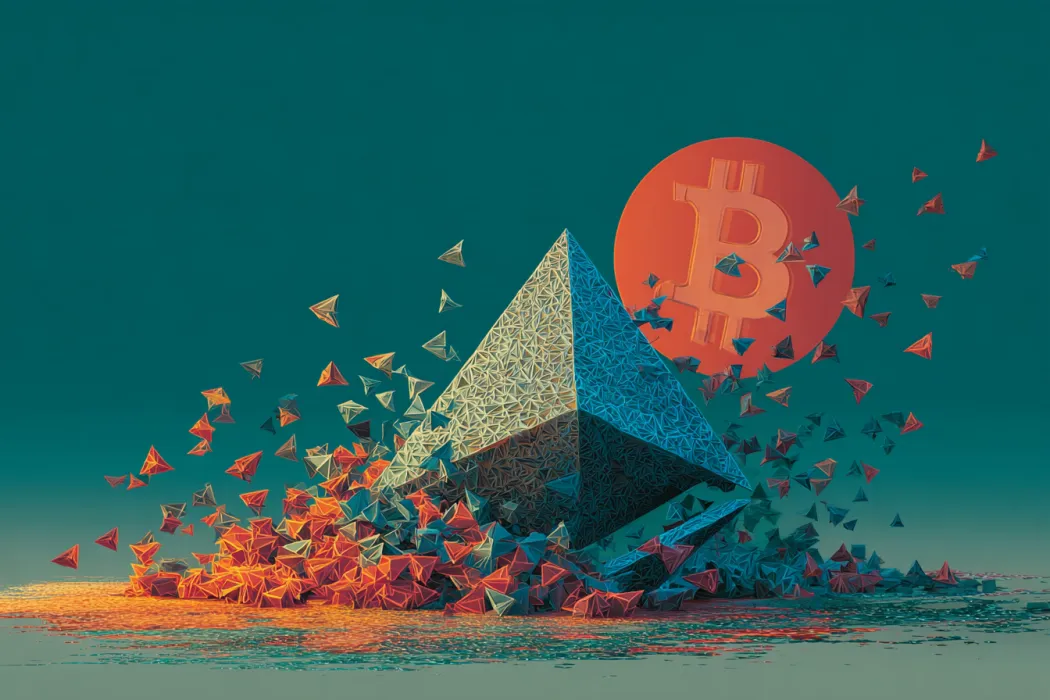
Bitcoin vs ethereum vs solana which to buy first
June 15, 2026
The three coins solve different problems. Understanding those problems is the starting point for deciding which one — or which combination — fits your goals.
Bitcoin was created in 2009 as a decentralised digital currency with a hard cap of 21 million coins — a feature deliberately built in to make it scarce. No government or central bank can create more. That fixed supply, combined with increasing institutional adoption through spot ETFs and growing sovereign interest, underpins Bitcoin’s positioning as ‘digital gold’: a store of value rather than a technology platform. Bitcoin’s blockchain processes roughly seven transactions per second (TPS) — deliberately slow by design, prioritising security and decentralisation over speed. Its April 2024 halving cut the daily supply of new coins in half, a structural event that has historically preceded price appreciation cycles.
Ethereum is a programmable blockchain that enables smart contracts — self-executing code agreements that power decentralised finance (DeFi), non-fungible tokens (NFTs), stablecoins, and a vast range of other applications. In 2022 Ethereum switched from energy-intensive Proof of Work to Proof of Stake, slashing its energy consumption by around 99%. ETH holders can now stake their coins — locking them to help validate the network — and earn an estimated 4–6% annual yield in return (figures vary and are not guaranteed). Ethereum’s 500,000+ validators make it the most decentralised smart contract blockchain by that measure.
3. Solana (SOL) — speed-first blockchain
Solana launched in 2020 with a focus on raw throughput — processing over 1,000 transactions per second on average, with a theoretical ceiling of 65,000 TPS on its base layer (and potentially over one million with the Firedancer upgrade targeting later in 2026). Transaction fees average $0.00025 — a fraction of Ethereum mainnet costs during congestion. Solana has attracted 17,700+ active developers as of late 2025, making it the second-largest blockchain developer ecosystem after Ethereum (Motley Fool, 2025). Its primary vulnerabilities have been network outages — Solana experienced multiple downtime events between 2021 and 2023, though the network has been significantly more stable since 2024.
Search
RECENT PRESS RELEASES
Related Post