A Million New-Car Buyers Just Vanished, And Automakers Don’t Want Them Back
May 31, 2026
High prices, inflation, and interest rates are pushing many Americans out of the new-car market
4 hours ago
- The new-car market is shrinking as prices, rates, and inflation squeeze household budgets.
- Still, automakers are making solid profits selling fewer, more expensive trucks and SUVs.
- Industry analysts no longer expect annual U.S. sales to return to pre-pandemic highs anytime soon.
Total new car sales volume isn’t something most Americans think about every day. Automakers, though, know those figures intimately. For years before the pandemic, around 17 million people in the USA bought new cars each year. That benchmark became the industry’s norm. It allowed automakers to plan and adjust based on that large but reliable figure. Now, that playbook appears as though it’s effectively dead.
According to a new report from the Wall Street Journal, roughly one million potential buyers have effectively disappeared from the new-car market since the start of the decade. Analysts now expect U.S. sales to hover around 16 million vehicles or lower this year, and some no longer believe the market will return to pre-pandemic highs before the end of the decade, if ever.
A Million Buyers Priced Out Of The Showroom
The reasons aren’t exactly mysterious. New vehicles have become painfully expensive, interest rates remain elevated, insurance costs are climbing, and fuel prices continue to hammer household budgets. The average new vehicle transaction price (ATP) now hovers around $50,000, a number that would’ve sounded absurdly high not that long ago. As a result, many buyers simply can’t keep up.
More: America’s Car Debt Just Hit $1.68 Trillion As The $20K New Car Goes Extinct
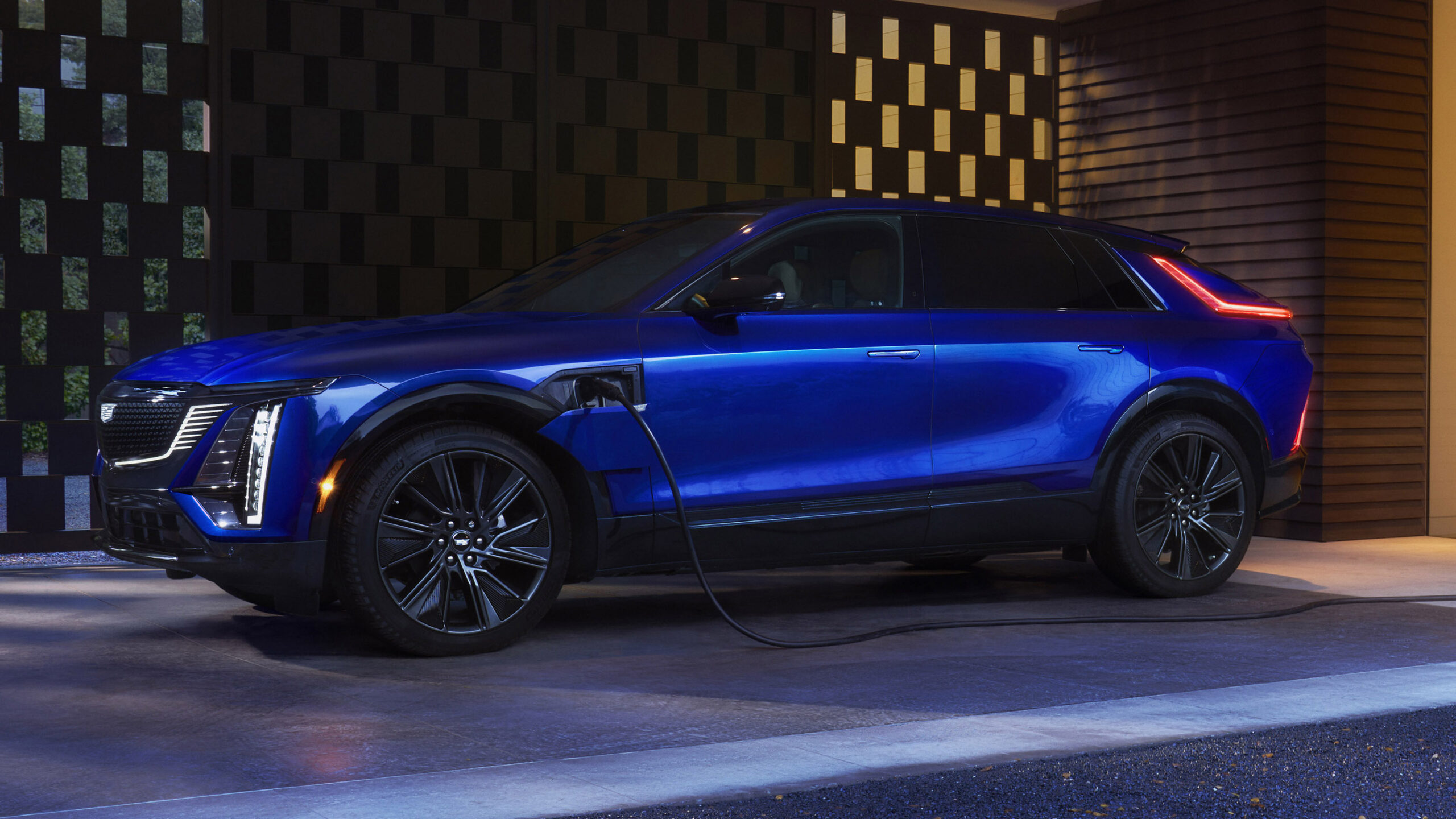
The shift becomes even clearer when looking at how the market itself has changed. Back in 2019, affordable vehicles still represented a meaningful portion of showroom inventory. Today, models priced under $25,000 are nearly extinct. Meanwhile, vehicles priced above $55,000 now make up a massive share of the market. The worst part of all of this is that automakers themselves appear to be unconcerned.
Why The Industry Stopped Chasing Volume
Historically, slowing sales meant companies rolled out aggressive incentives, slashed prices, and fought for market share at almost any cost. But COVID-era supply shortages taught automakers something important. They could make excellent profits selling fewer vehicles, especially expensive trucks and SUVs. That lesson stuck.
John Murphy, an auto analyst and adviser, says “Automakers are more disciplined… It’s great for investors, great for stock prices and good for cost of capital. They’re actually running the business in a much more focused way.” Of course, that’s not great for consumers who want to see prices falling or more affordable models in lineups where they simply don’t exist at all.
That said, auto execs are now admitting that affordability is an issue, but they’re doing so while still failing to provide a solution on their end. Several automakers say cheaper models are coming. But there’s little indication the industry is preparing for a return to the days of bargain-priced transportation.
A Smaller, Wealthier Customer Base By Design
In many ways, the modern auto industry appears to have accepted a smaller, wealthier customer base. That might work while profits are healthy, but if something like another recession takes hold, automakers could soon join average buyers in feeling the pain.
Search
RECENT PRESS RELEASES
Related Post