AI Roundup: Udio used YouTube music; Meta/Zuckerberg sued for infringement; ElevenLabs raises $500m
May 6, 2026
The latest filing in the case between Sony Music and generative music AI platform Udio is the latter’s response to Sony, and it contains some pretty meaningful insights. Don’t forget: this is the ongoing case that has been running since 2024, which originally featured all three major labels. UMG and WMG both settled on partnership deals with Udio. Only Sony remains. Udio’s new response explains how music was used to train its model: “Udio admits that it obtained audio data from YouTube for use as training data,” it says, and that Udio fed the program a “vast amount of different kinds of sound recordings” to derive “statistical insights.” So: it sourced YouTube-based music at scale and used it to train its AI model.
Udio reiterated its defence of Fair Use: that the outputs (the songs Udio users make) are new entities – and thus are non-infringing of copyright, regardless of whatever comprised the input (the training data). The firm then goes on the front foot: accusing Sony of engaging “in anticompetitive activities that extend an unlawful monopoly over the production and commercialization of music.” The case continues.
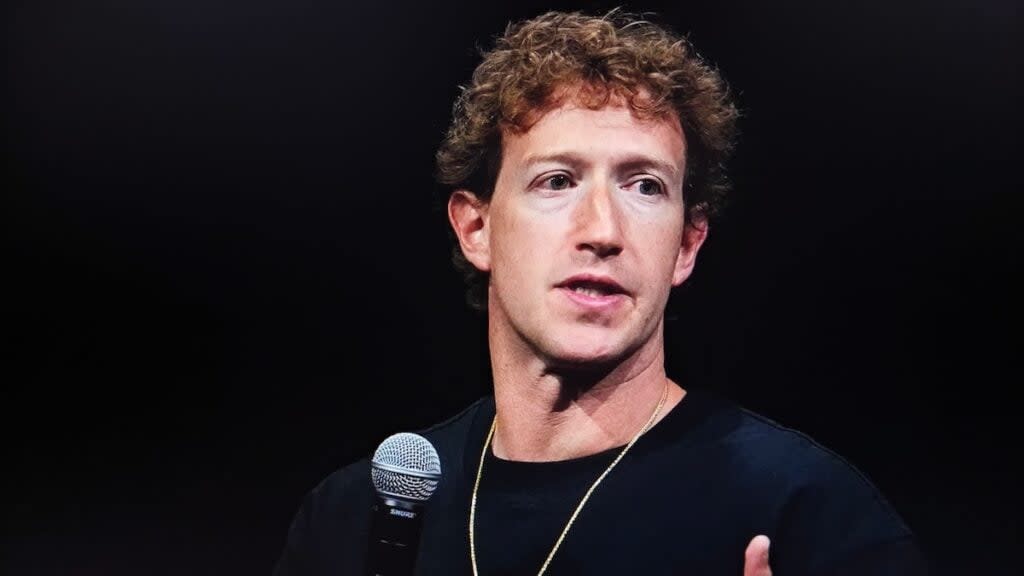
Meanwhile, Meta – and Mark Zuckerberg himself – are being sued by a host of major print publishers including Hachette and Macmillan, who allege that its Llama AI models were trained on copyrighted books and texts that were used without permission. The Financial Times reports that Zuckerberg is also named in the filing, as the publishers claim that he specifically encouraged the act of infringement. These lawsuits – by rightsholders accusing AI companies of wrongly using their material – are now common: in the US, music publishers and artist organisations are suing Anthropic for allegedly using their lyrics to train its Claude model, and last year the same AI company settled a similar lawsuit with a group of book authors at a cost of a whopping $1.5Bn. Meta says it will fight “aggressively” this new case, while the publishers argue that Llama is in effect “an infinite substitution machine”, and can be used to create new books at will. The music industry will watch carefully, as this description may resonate.
And then, UK-based AI firm ElevenLabs, which launched last year a music generation tool with license deals in place, has raised $500 million in a Series D round. Investors include Nvidia, BlackRock and, sure, why not: Jamie Foxx and Eva Longoria. The presence of well-known actors isn’t so far-fetched, in fairness: artists like Taylor Swift are moving to protect their voice and image rights in the face of AI models imitating them – so why not invest in the technology as well?
Finally, another major platform is adding an “AI content” tag: Instagram, which is testing a label that will allow users to identify as an “AI creator.” It’s an opt-in measure and relies on users to take the choice to reveal that their content is AI-generated. Trust is an increasingly rare commodity in an online world that is full of marketing, spin, fakery, and outright lies. Steps to regain trust in the user connection feel increasingly important to platforms: but will a voluntary system work?
Search
RECENT PRESS RELEASES
Related Post