AIT Researchers Turn Chess Moves into 30% More Solar Power
January 18, 2026
The global push for clean energy often highlights high-tech solutions in wealthy countries. But a team at the Asian Institute of Technology (AIT) is proving that simple, clever ideas — inspired by chess, second-hand batteries, and fair play in markets — can help developing nations cut emissions and keep the lights on.
In five recent studies, AIT researchers tackled the clean energy challenge at every level, from national planning to solar panels on rooftops.
Planning a cleaner future One study introduced PyPSA-BD, the first open-source model designed specifically for a developing country. Built for Bangladesh, the tool helps governments test different “what if” scenarios for shifting away from coal and gas while keeping electricity affordable.
Recycling batteries, powering microgrids Another project explored microgrids — small, self-sufficient energy systems for communities. The team combined “second-life” batteries (reused from electric cars) with the flexible electricity demand of cryptocurrency mining. The result was a low-cost, carbon-neutral microgrid that not only gives old batteries a second use but also turns crypto’s energy-hungry reputation into a tool for balancing the grid.
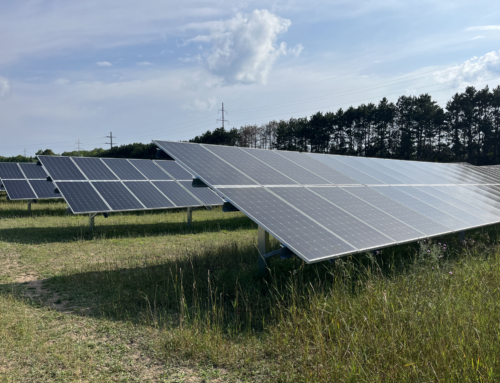
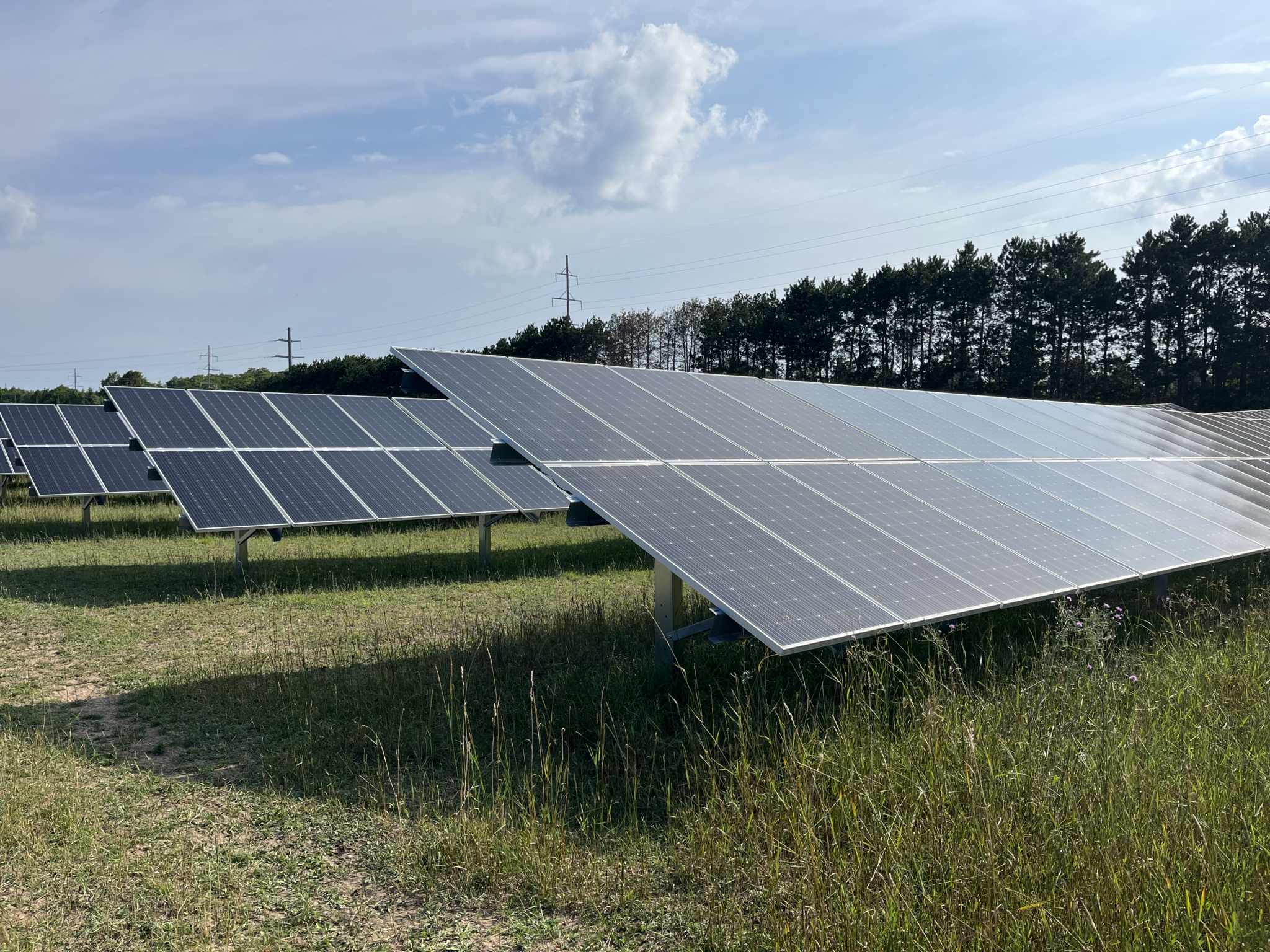
Solar power plays chess Solar panels lose efficiency when shaded by clouds, leaves, or even bird droppings. In a world-first experiment, AIT researchers borrowed a move from chess: the rook. By rearranging solar panels in the pattern of a rook’s movement, the system generated significantly more power than traditional setups. In tests, the “chess-inspired” array delivered up to 30% more usable energy compared to standard designs, proving that creative problem-solving can unlock hidden renewable power.
Fair sharing in local energy markets Energy doesn’t flow only from big power plants. Increasingly, “energy hubs” combine solar panels, batteries, and other local resources. AIT developed a new cooperation model to help these hubs trade energy fairly. Using a modified “profit-sharing” rule, hubs that invest in renewable power receive bigger rewards. In tests, this approach cut energy costs by nearly 40% and reduced emissions by more than half, while encouraging communities to go greener.
Strong and flexible energy systems Finally, AIT researchers proposed a way to make local energy systems more resilient by including power-to-gas technology (which converts surplus electricity into hydrogen gas). Their model ensures these hubs can keep operating reliably, even when energy demand or renewable supply is uncertain.
Global solutions, rooted in Asia “These studies show that solving the climate crisis doesn’t always need expensive new inventions,” said Dr. Jai Govind Singh, Associate Professor at AIT. “With the right models, fair rules, and a bit of creativity, developing countries can leap ahead to clean energy futures.”
From Bangladesh to communities across Asia, AIT’s work demonstrates that practical innovation — whether inspired by chess, recycling, or cooperation — can make the clean energy transition both achievable and affordable.
References:
- Ahamed Nahid, F., & Roy, J. (2025). PyPSA-BD: A customized model to explore decarbonized energy transition for developing country. Renewable Energy Focus, 52, 100655. https://doi.org/10.1016/j.ref.2024.100655
- Bhatt, A., Ongsakul, W., Madhu M., N., & Pawar, J. (2024). Optimal energy management system for carbon–neutral microgrid integrating second-life batteries and crypto mining devices. Sustainable Energy Technologies and Assessments, 64, 103686. https://doi.org/10.1016/j.seta.2024.103686
- Pachauri, R. K., & Singh, J. G. (2024). Chess game rook‐icon movement‐based photovoltaic array reconfiguration for higher shade dispersion and improved global power peaks under partial shading conditions: An experimental study. Energy Technology, 12(8), 2301145. https://doi.org/10.1002/ente.202301145
- Tiwari, S., & Singh, J. G. (2024). A cooperation based transactive energy management for networked energy hubs considering improved payoff allocation mechanism. Sustainable Energy Technologies and Assessments, 65, 103777. https://doi.org/10.1016/j.seta.2024.103777
- Tiwari, S., Singh, J. G., & Garg, A. (2024). A static robust energy management approach for modelling low emission multi-vectored energy hub including emission markets and power-to-gas units. Energy, 294, 130827. https://doi.org/10.1016/j.energy.2024.130827
Search
RECENT PRESS RELEASES
Related Post