Alabama’s First Medical Cannabis Dispensary Nears Opening, Five Years After Legalization
May 15, 2026
Alabama is preparing for the imminent opening of its first medical cannabis dispensary, Callie’s Apothecary, located in Montgomery. This development occurs nearly five years after Governor Kay Ivey signed the Darren Wesley ‘Ato’ Hall Compassion Act into law on May 17, 2021, which legalized cannabis for medical use in the state. The anticipated launch, expected within days of May 15, 2026, marks a significant step in patient access, building on earlier coverage of the state’s preparations for medical cannabis sales, as reported by WHNT News.
Establishing Medical Cannabis Access in Alabama
The journey to establish a functional medical cannabis program in Alabama has involved a multi-year regulatory process since the enactment of the Darren Wesley ‘Ato’ Hall Compassion Act. This legislation set the framework for patient eligibility, product types, and dispensary operations. The opening of Callie’s Apothecary represents the culmination of these efforts, providing a tangible point of access for registered patients. The dispensary’s owner, Vince Schilleci, described the facility’s intended atmosphere as “a mix between a doctor’s office and a pharmacy,” aiming to provide an alternative for patients managing pain.
Patient Access Protocols and Product Specifications
Access to the medical cannabis dispensary is structured to ensure regulatory compliance and patient verification. Upon arrival at Callie’s Apothecary on Atlanta Highway, customers are required to present identification at the door. Following this initial check, entry into a secure vestibule necessitates the presentation of both a driver’s license and an official Alabama cannabis card. Once inside, patients proceed to the sales floor where they engage with a certified adviser or dispenser. These trained professionals have the capability to access and verify the specific THC dosage recommended by the patient’s physician, facilitating informed product selection.
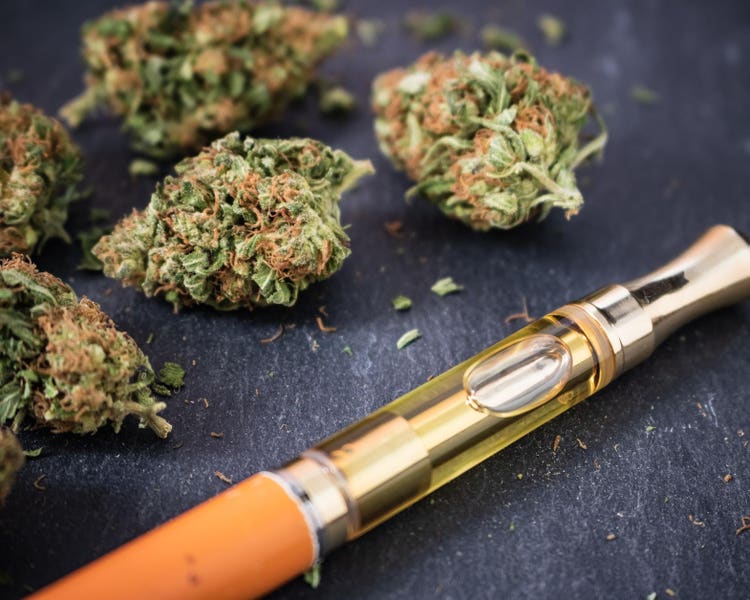
The product range available at the dispensary adheres strictly to state regulations. Callie’s Apothecary will offer medical cannabis in forms such as gel cubes, tinctures, lozenges, and pressed pills. Notably, Alabama law explicitly prohibits certain product categories. Schilleci clarified these restrictions, stating, “Alabama law prohibits raw plants, so flower, any type of combustible, and anything that would be like a candy or cookie or things like that.” This regulatory stance underscores a focus on non-inhalable and non-recreational consumption methods for medical use.
Regulatory Oversight and Program Objectives
The Alabama Medical Cannabis Commission (AMCC) plays a central role in the oversight and implementation of the state’s medical cannabis program. Sam Blakemore, who serves as chairman of the AMCC and is also a pharmacist, is directly involved in supervising the training of certified dispensers. State regulations mandate that each licensed medical cannabis facility must employ at least one such certified professional to ensure proper patient guidance and product dispensing.
Blakemore outlined the core objectives guiding the AMCC’s approach, which include a focus on “price, education, access, and safety.” He expressed the expectation that adherence to these four principles would build trust within the patient community. The program is specifically designed to provide therapeutic options for patients diagnosed with qualifying conditions, with Blakemore citing seizure disorders and cancer as examples of conditions the program aims to address. John McMillan, director of the commission, echoed this sentiment, noting that the program’s launch has been “something we’ve been looking forward to for a long time,” acknowledging the significant patient need in Alabama.
Market Expansion and Future Licensing
The initial phase of Alabama’s medical cannabis market includes a limited number of operational dispensaries. According to Director McMillan, nine dispensaries are currently licensed to commence operations across the state. The AMCC projects an increase in this number, with a goal of having 12 licensed dispensaries by the end of the year. This planned expansion indicates a measured approach to market development, aiming to broaden patient access geographically over time while maintaining regulatory control. The commission’s ongoing efforts are directed towards ensuring that the program can effectively serve the patient population requiring these products.
Disclaimer: This article is for informational purposes only and does not constitute medical advice. Hemp Gazette does not provide medical recommendations, diagnoses, or treatment plans. Always consult a qualified healthcare practitioner before making any decisions regarding your health or any medical condition. Statements concerning the therapeutic uses of hemp, cannabis, or cannabinoid-derived products have not been evaluated by Australia’s Therapeutic Goods Administration (TGA). Medicinal cannabis products in Australia are accessed via prescription pathways under TGA regulation.
Search
RECENT PRESS RELEASES
Related Post