Amazon AI Cuts, Snap Spins Out AR, VR Content Studios Retreat
January 30, 2026
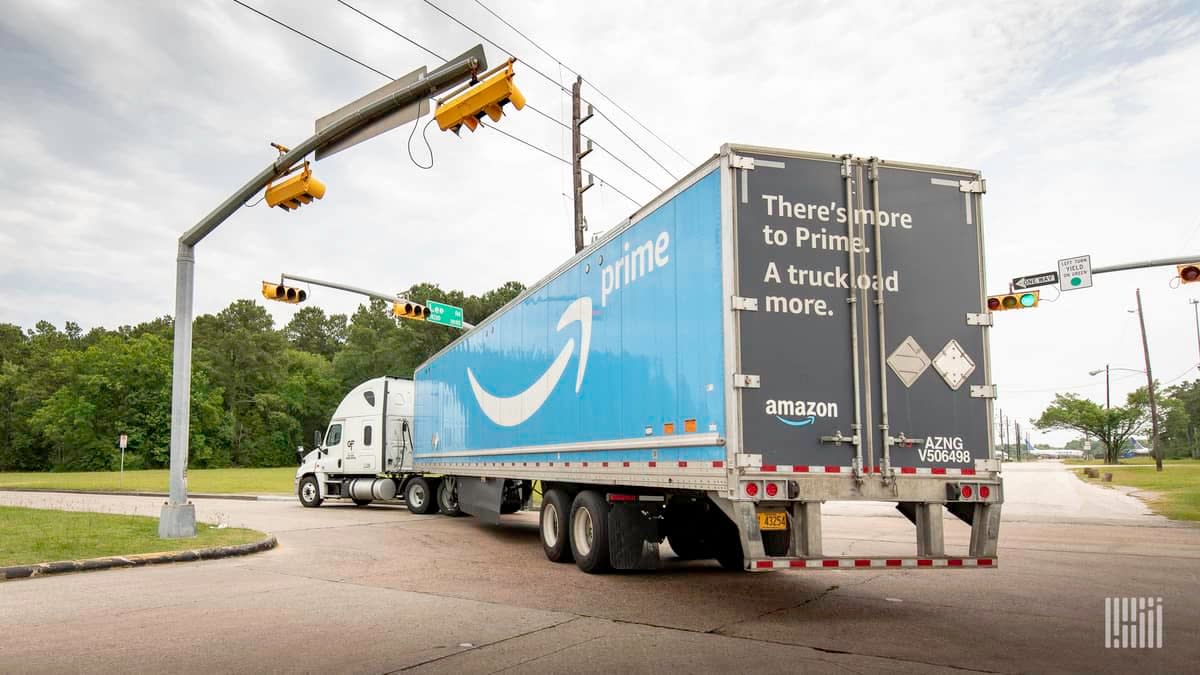
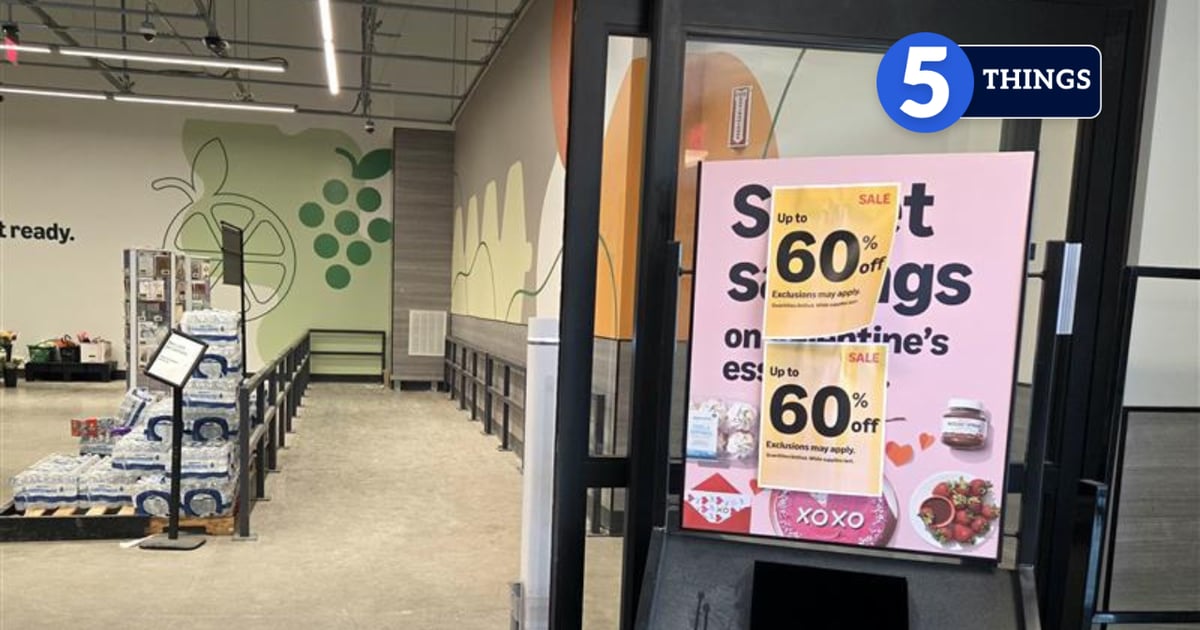
Amazon announced another round of layoffs as part of what CEO Andy Jassy described as an ongoing cultural reset.Tens of thousands of roles have been eliminated over the past two years as the company restructures around cloud infrastructure, AI services, and operational efficiency. Many of these jobs were white collar developer roles. Earlier this week, Amazon also announced it would shutter its Amazon Go and Fresh stores, citing its failure to create a “truly distinctive customer experience with the right economic model.”
Snap is spinning out its Specs AR glasses business into a standalone entity, separating hardware development from its core social media operations. Clearly, Snap needs to get its misguided AR glasses adventure off its books before it does even more damage to its struggling stock. After its launch to developers last year at $99/month, Spectacles will soon be offered to the public, but this whole multi year effort is clearly DOA. After a decade of significant investment, Snap has lose the war with Google’s new Android XR, Meta’s AI smartglasses, and Apple’s coming wearable AI devices, before it’s even started. Snap’s portable but bulky location-based stand-alone XR glasses are going to have a hard time competing with breakthough products on the horizon.
Apple is developing an AI wearable, a small pin sized device roughly comparable to an AirTag, according to reporting from MacRumors and The Verge. The device is described as a circular aluminum and glass disc with microphones, cameras, a speaker, and a physical button, designed to work with a future LLM powered version of Siri. It would rely on wireless charging and offload compute to other Apple devices and the cloud. Internally, the project is still considered experimental, with no guarantee of release, though sources point to a possible 2027 launch window.Apple’s AI pin effort lands after a series of failed or underwhelming AI first hardware launches from startups, including Humane and Rabbit, and appears deliberately conservative by comparison. Rather than positioning the device as a phone replacement, Apple is framing it as an ambient companion, tightly integrated into its existing ecosystem of iPhone, Watch, and Vision Pro. The approach reflects Apple’s broader strategy of waiting for categories to break before entering them with vertically integrated hardware, silicon, and software.
OpenAI is preparing its own consumer AI hardware debut, expected later this year, following the acquisition of ormer Apple design leader Jony Ive’s company for $6 billion. While details remain scarce, the effort is widely understood as an attempt to establish a new category of AI native devices built around conversation and perception rather than apps and screens. The convergence of Apple, OpenAI, and Google around AI hardware suggests that 2026 may mark the start of a new device cycle centered on continuous AI presence.
Walkabout Mini Golf developer Mighty Coconut cut roughly a quarter of its staff earlier this month, despite operating one of the most consistently successful titles on Quest.The studio also raised prices on new downloaded content courses, citing rising costs and platform pressures. If WMG, one of the most popular Quest titles, is cutting back, Meta’s VR efforts may be in worse shape than even its ugly closure of its owned studios suggest.
French immersive studio Atlas V raised $6 million to diversify away from narrative VR toward free to play gaming and location based experiences. The studio has been responsible for some of the most popular and critically acclaimed titles in the Meta Quest store, including Spheres, Battlescar, Gloomy Eyes, Madrid Noir and Wallace and Gromit. Atlas V executives were explicit that premium narrative VR has failed to reach sufficient audience scale. The company plans to focus on experiences with clearer revenue models, including ticketed VR attractions and live installations.
This column has a companion, The AI/XR Podcast, hosted by its author, Charlie Fink, and Ted Schilowitz, former studio executive and futurist for Paramount and Fox, and Rony Abovitz, founder of Magic Leap. This week our guest is Ed Saatchi of Showrunner AI studio. We can be found on Spotify, iTunes, and YouTube.
Search
RECENT PRESS RELEASES
Related Post