Amazon opens $500 million Oregon warehouse that stocks 40 million products: Look inside
June 26, 2025
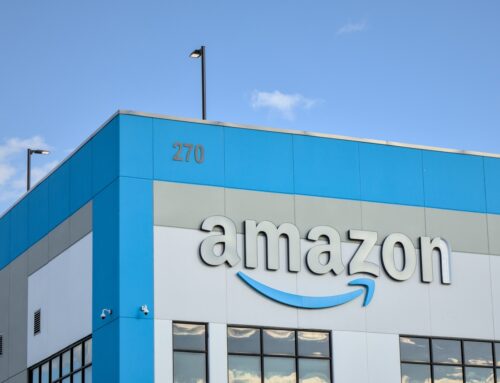
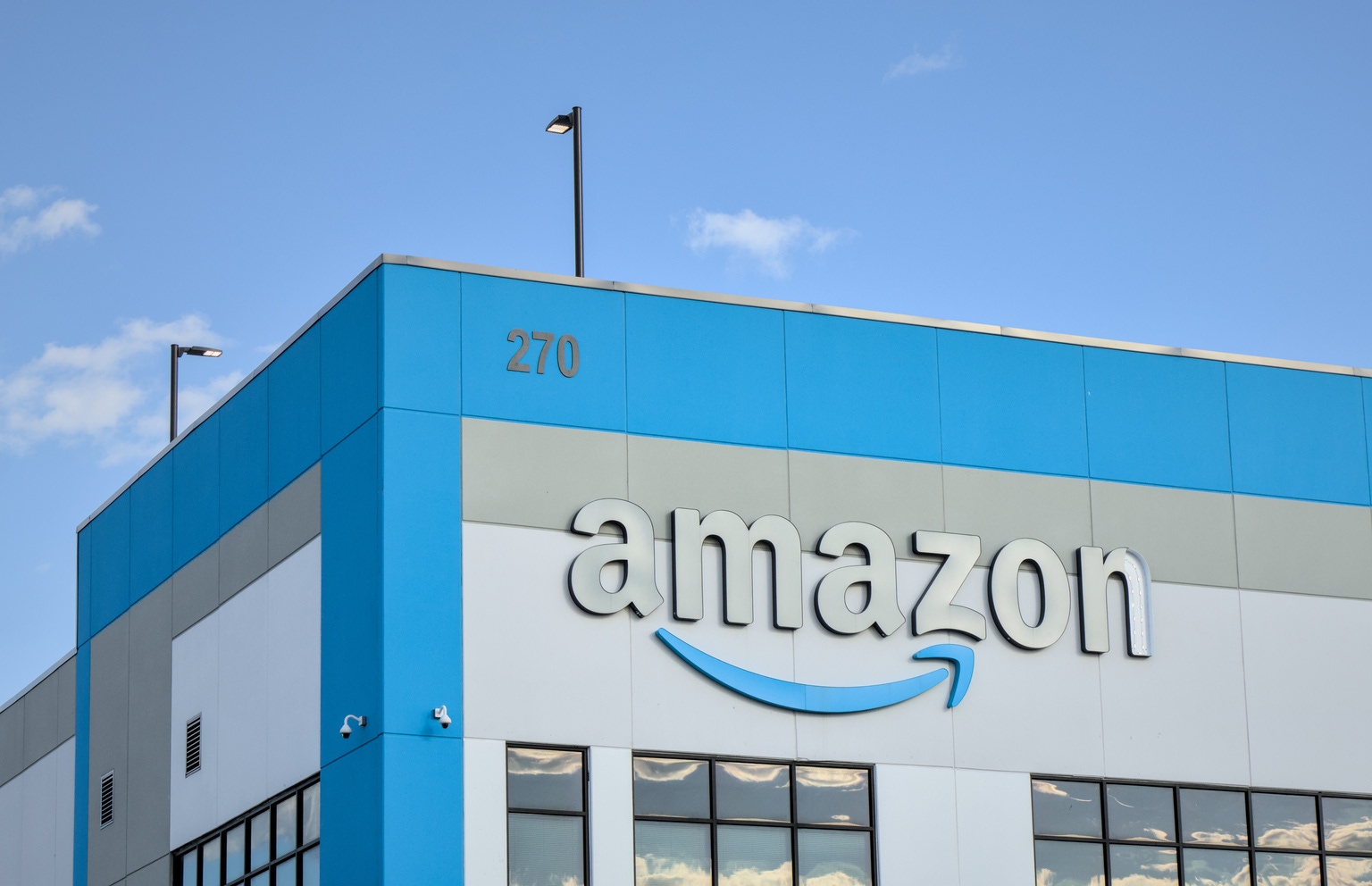
Amazon’s enormous new warehouse in Woodburn has 30 miles of conveyors, 6,000 robots and 1,500 employees working to keep the $500 million facility humming around the clock.
All those elements are designed to work in constant harmony, according to the warehouse’s general manager, Christophe Buzit. But with so many moving parts, it’s easy for something to go awry — especially in a brand-new warehouse that’s three times bigger than Portland’s Lloyd Center mall.
“One sensor that is not in exactly the right position” can shut down a conveyor line, idling workers and robots alike, Buzit said.
“This is the toughest thing,” he said, “making sure everything is running.”
Amazon’s $500 million warehouse is the Seattle company’s biggest in the Northwest – and among its largest anywhere. Amazon began stocking the 3.8-million-square-foot facility at the start of the month and held its “first ship,” the initial roll of products from the warehouse, on June 11.
A new generation of robots, software and artificial intelligence helps enable enormous facilities, according to Buzit, because they can coordinate huge volumes of packages flowing in and out all day long. The Woodburn site, which Amazon calls PDX8, can hold up to 40 million products.
The hulking new warehouse, plainly visible along Interstate 5 just south of the Woodburn outlet mall, will dispatch packages for customers in Washington, Idaho and across Oregon.
But it’s just a waypoint for those products, which arrive and leave in big, long-haul trucks. Each package goes next to a smaller warehouse in a place like Portland, Hillsboro or — soon — in Redmond, where workers will load it onto delivery vans dispatched to customers’ neighborhoods.
Amazon has been planning its Woodburn warehouse for years — construction began in 2021 and the company originally planned to open it by the end of 2023. It changed plans during construction, delaying the opening to make way for more sophisticated robotics that can handle more packages.
On the robotics floor, Amazon stores products in four-sided towers of lightweight, yellow shelving. A squat blue robot races around the warehouse floor, sliding under the shelving, gently lifting the whole tower of shelves. The robot whisks it to workers, who pluck specific products from the shelves to fill customer orders. It’s all carefully choreographed so the robots don’t collide, and so the tall shelves don’t tip.
This isn’t new — it’s the same setup at all of Amazon’s big warehouses. But new software makes the whole process faster and more efficient. Artificial intelligence positions the shelves around the robotics floor in a pattern optimized for fastest retrieval.
For Amazon, every second saves money and helps shorten the time between a customer’s order and a product’s delivery.
Woodburn has been working for a decade to attract more industrial development to the city, to expand and diversify its tax base. Amazon inquired about tax breaks for the warehouse but Woodburn turned it down. The company built anyway. (The Oregon Legislature subsequently outlawed property tax breaks for this type of warehouse.)
Amazon paid $4.3 million in local taxes last year, according to the Marion County assessor. Its tax bill figures to go up substantially this year because the warehouse is now equipped with advanced — and taxable — robotics and equipment.
The warehouse isn’t fully staffed, though. Amazon is adding hundreds of employees each week and expects that more than 2,800 will work there eventually. During the holiday season, the workforce will swell to 3,500.
Amazon says workers start at $21.50 for year-round jobs, plus healthcare and retirement benefits.
The company has been under continuous pressure for years from labor organizations that say repetitive tasks and noise endanger workers’ health. Last year, Amazon settled a federal complaint that found ergonomic hazards at Amazon warehouses in other parts of the country. The company agreed to implement new ergonomic safety measures at all its U.S. sites.
When Amazon’s Woodburn facility was in the planning stages, some neighbors worried the additional traffic would overwhelm local roads as trucks come and go and as workers start and end their shift — adding hundreds of vehicles to local roads.
Jacob Pletcher, owner of the nearby BC Hop Ranch, said that so far his fears haven’t been realized.
“As of now we are not having any major disruptions from that Amazon building,” Pletcher said. “So I’m pleased, for now.”
Woodburn required that Amazon contribute about $15 million on road and transit upgrades around its property, including $8 million for improvements to a roundabout just north of the warehouse.
City planners estimated that the warehouse could generate up to 1,200 new trips an hour during the afternoon rush, the busiest time of day, according to Chris Kerr, Woodburn’s community development director. For comparison, he said, a grocery store generates about 800 trips during similar periods.
So far this month, Kerr said he hasn’t fielded any complaints about traffic from the newly opened warehouse and hasn’t observed any fresh road congestion.
“We haven’t seen anything different,” he said, though the city will continue monitoring impacts as Amazon adds staff.
More than 200 workers came from other Amazon warehouse sites to train new workers in Woodburn, helping them learn Amazon’s processes. About 120 others transferred from other Amazon sites in the Portland area, some to work closer to home, others to try out the latest technology.
“This is a new generation of building. They wanted to learn something new,” said Buzit, the general manager. Originally from France, this is the second Amazon warehouse he’s opened.
It’s a challenge just keeping a big warehouse running, he said, making sure thousands of employees are coordinating their work. Buzit said there’s a persistent temptation to try something new, to innovate on your own to improve operations in one part of the huge facility.
But the high degree of automation doesn’t reward experimentation, according to Buzit.
“If everyone is reinventing the wheel, every day, you do not work at all,” he said. If someone tries something new, without getting buy-in from colleagues in other areas, he said it can snarl everything.
So Buzit says he encourages his staff to master the basics, then work with their colleagues on improvements.
“Once the standard is applied,” he said, “you can consider doing something new.”
Search
RECENT PRESS RELEASES
Related Post