Approximately £27,500: Xiaomi keeps price of new SU7 below Tesla
March 20, 2026
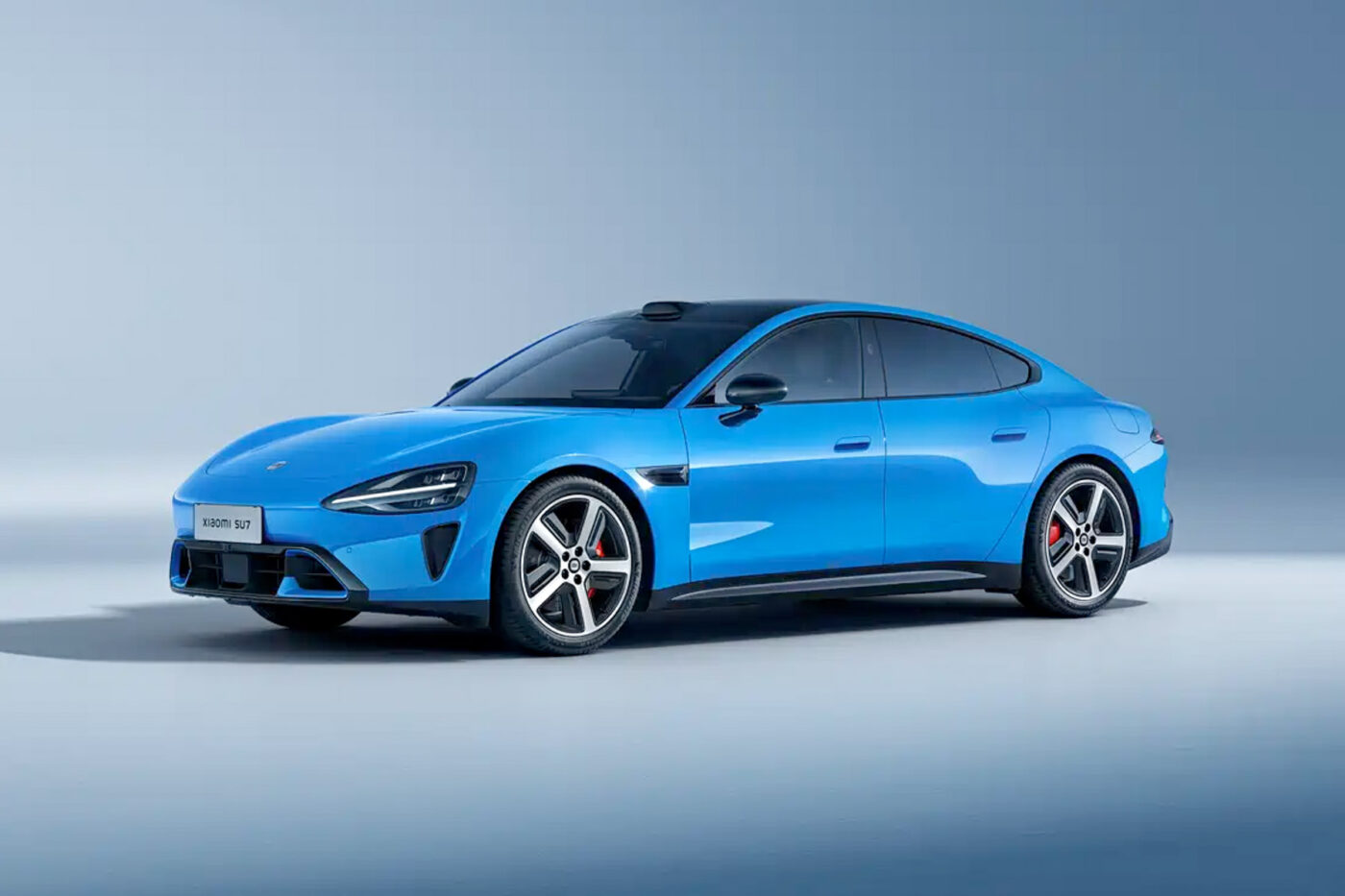
The SU7 is now available in China starting at 219,900 yuan, which converts to approximately £27,500. The top-tier Max version is priced at 303,900 yuan (around £38,100), while the Pro version sits between the two at 249,900 yuan (roughly £31,300).
The official base price is 10,000 yuan lower than the pre-order price announced in January, and only 4,000 yuan (around £500) above the current base price. Chinese media also highlight that the new SU7 remains significantly (15,600 yuan) below the starting price of the Tesla Model 3.
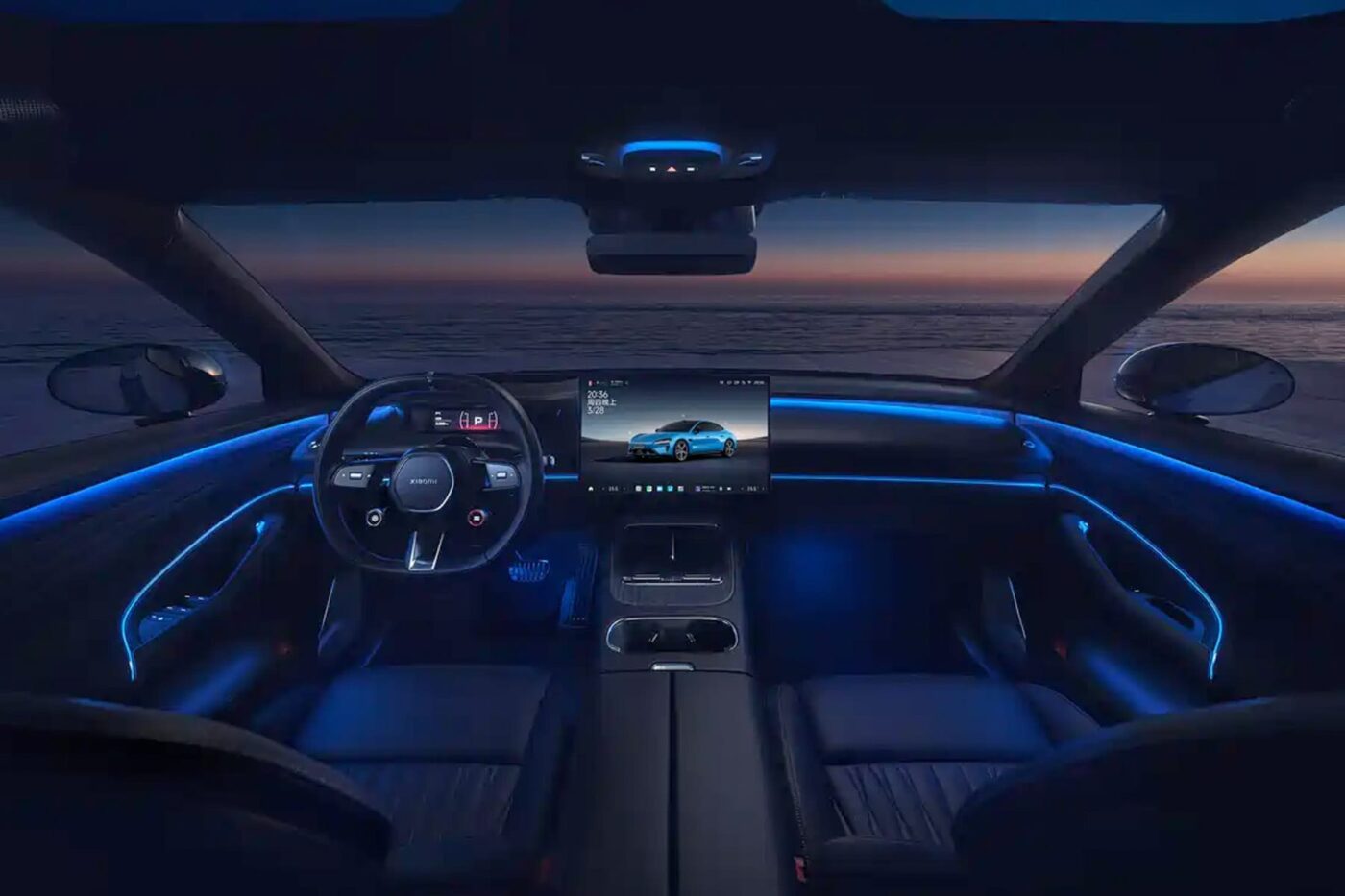
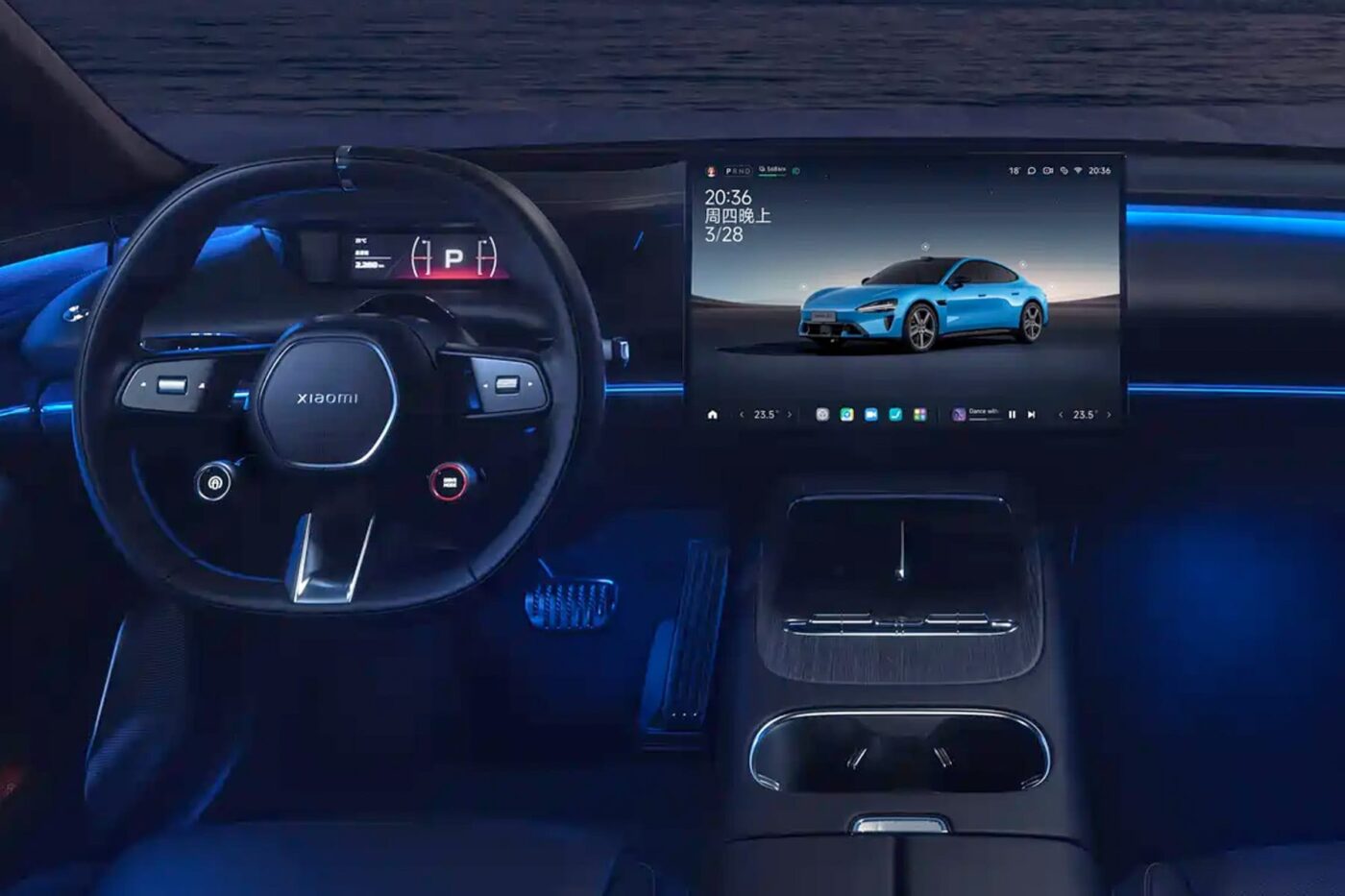
As for the vehicle itself: while the SU7 retains its existing design inside and out (with minor changes, of course), the most substantial modifications lie beneath the bodywork – particularly in the battery and powertrain.
Previously, the base version used a 400-volt battery with LFP cells, while the Max model featured an NMC battery with an 871-volt system voltage. With this update, the voltage of the 73 kWh base battery has increased to 752 volts, while the Max model’s 101.7 kWh battery now operates at 897 volts, according to Chinese media.
That also improves charging performance: the ‘old’ model could recharge enough power for a maximum of 510 kilometres (CLTC) in 15 minutes, but Xiaomi claims the new version can achieve up to 670 kilometres in the same timeframe.
The range of all battery variants has also increased, though not as dramatically: the standard model is now rated at 720 kilometres under the Chinese test cycle (up from 700 km), the Pro version (with a 96.3 kWh battery) can now go up to 902 kilometres (previously 830 km) on one charge, and the high-performance Max model now achieves 835 kilometres instead of 800 kilometres. Xiaomi does not specify whether the range improvements are due to changes in energy content, the new powertrains, or both – the updated battery sizes have not been disclosed.
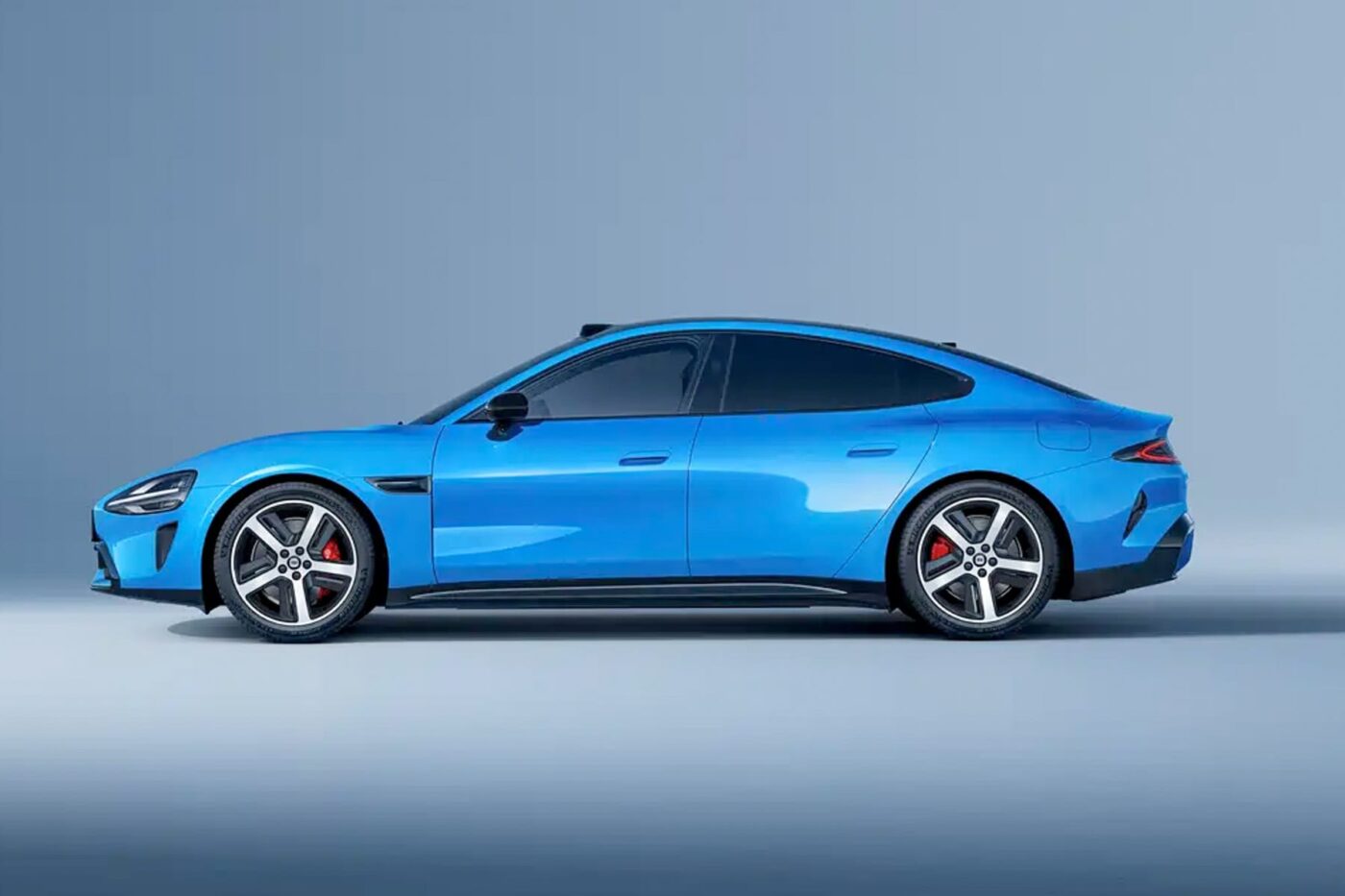
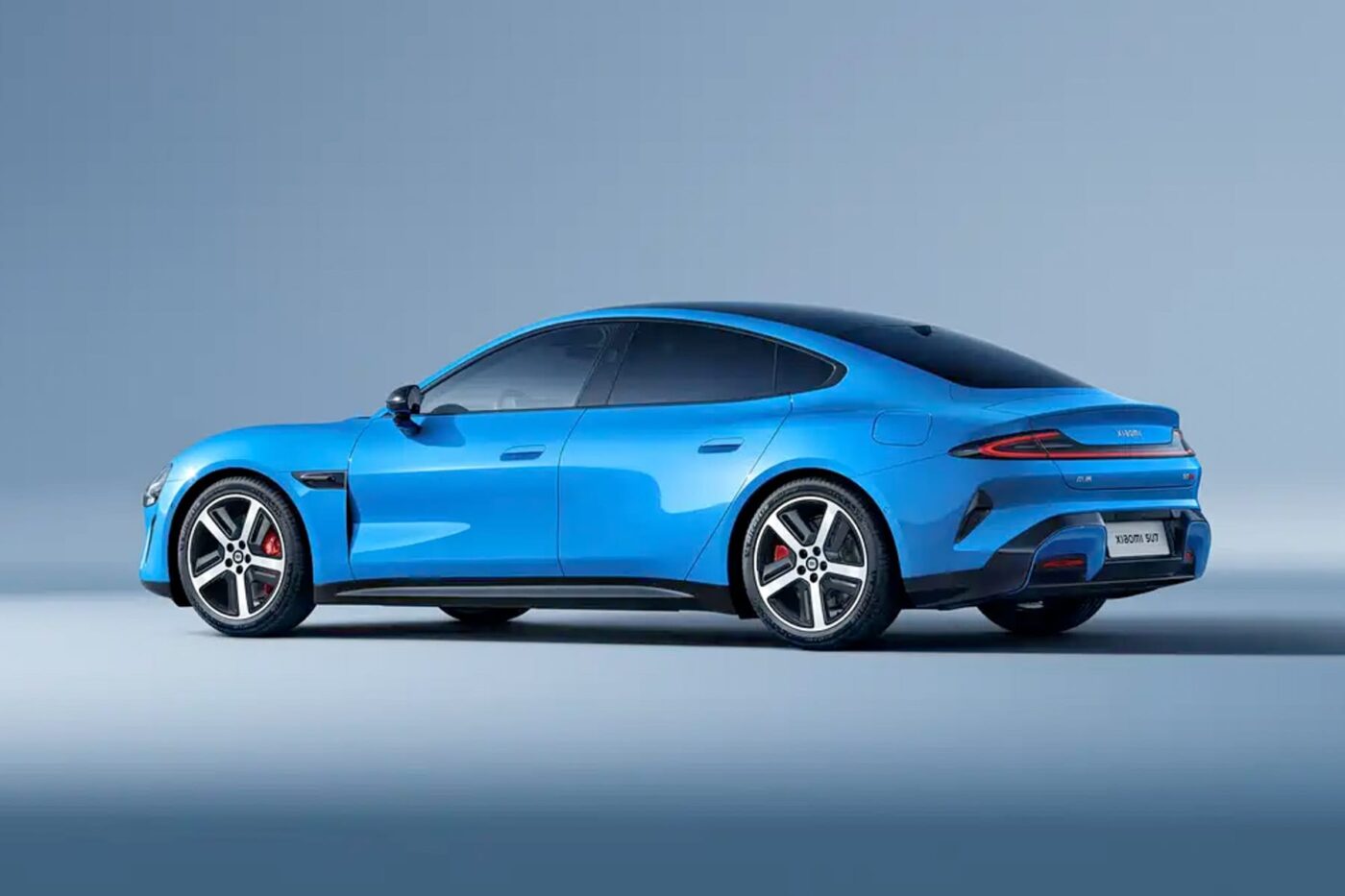
However, it is clear that all three variants now feature new motors. Previously, units named V6 and V6s were used, drawing a parallel to the power output of V6 petrol engines. Now, all variants are equipped with the further-developed V6s Plus. In the rear-wheel-drive standard version, power has increased from 220 kW to 235 kW (299 to 320 hp), while the SU7 Max has been upgraded from 495 kW to 507 kW – or 690 hp in the old measure.
Both the standard and Pro versions are rear-wheel-drive models, now capable of accelerating from 0 to 100 km/h in 5.3 and 5.7 seconds, respectively. The all-wheel-drive Max version achieves this sprint in just 3.1 seconds.
To improve grip, the rear tyres are now 265 millimetres wide instead of 245 millimetres, while the front tyres remain at 245 millimetres. Additionally, the suspension has been upgraded: previously, only the top-tier Max model featured air suspension, but now all three variants come standard with a dual-chamber air suspension and adaptive dampers.
The transfer of technology from the top variant to all three models is also evident in the driver assistance systems and the necessary hardware. Previously, LiDAR sensors were only available in the Pro and Max variants and were combined with an ADAS computing power of 508 TOPS. Now, all versions feature 700 TOPS of computing power for autonomous driving systems. This represents a significant upgrade, particularly for the standard model, which previously lacked LiDAR and was equipped with simpler sensors and only 84 TOPS of computing power.
Xiaomi has also addressed the safety concerns initially raised about the SU7: all models now feature improved brakes, enhanced body stability, and nine airbags instead of the previous seven. Additionally, all door locks now have a separate emergency power supply, ensuring that the doors can still be unlocked even if the main system fails.
Shortly after the vehicle and pricing presentation, Lei Jun, founder, chairman, and CEO of Xiaomi, announced on Weibo that the new SU7 received over 15,000 firm orders within the first 34 minutes. It remains unclear if and when these updates will be introduced to the closely related SUV model, the YU7.
Meanwhile, Xiaomi discontinued production of the old SU7 in February, creating a gap in sales. This contributed to a significant 48% decline in Xiaomi’s vehicle deliveries in February – a month that is typically weak in China – reaching a low of 20,414 units. Earlier this year, Xiaomi had announced plans to deliver 550,000 vehicles in 2026, following 410,000 units in 2025.
Search
RECENT PRESS RELEASES
Related Post