As economic uncertainty rises, investors seek stability over returns
February 7, 2026
Economic uncertainty changes how people invest.
When investors feel less confident about the next 12 to 24 months, they focus less on upside and more on durability. They want assets they can understand, control and use, even if markets swing.
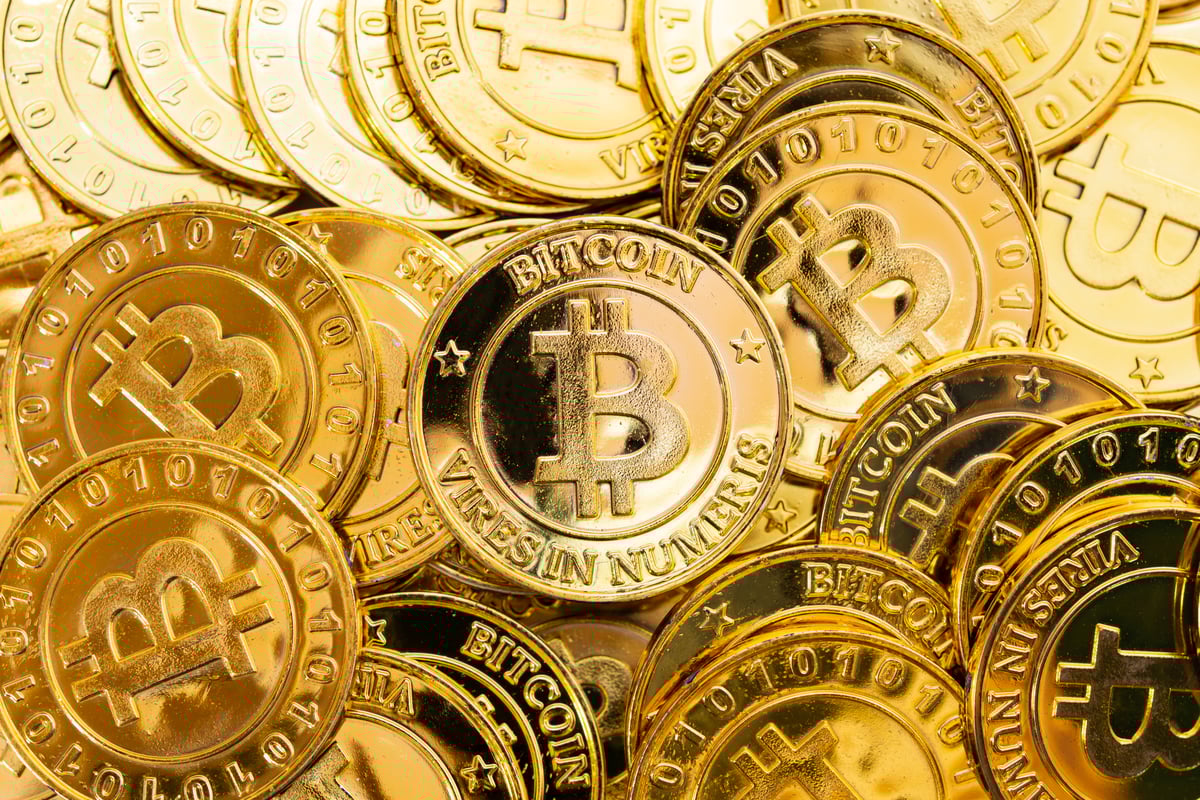
That mindset has pushed more investor attention toward tangible assets like precious metals, real estate and revenue-producing equipment.
Why tangible assets keep showing up in investor conversations
Tangible assets carry weight in a literal sense. Investors can hold them, insure them, lease them and in some cases generate income from them.
That does not eliminate risk. It does make the risk feel more visible and easier to manage.
Intrinsic value gives physical assets a stronger foundation
Many tangible assets hold value because people and businesses use them.
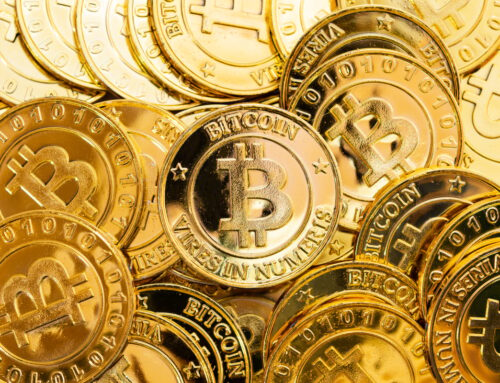
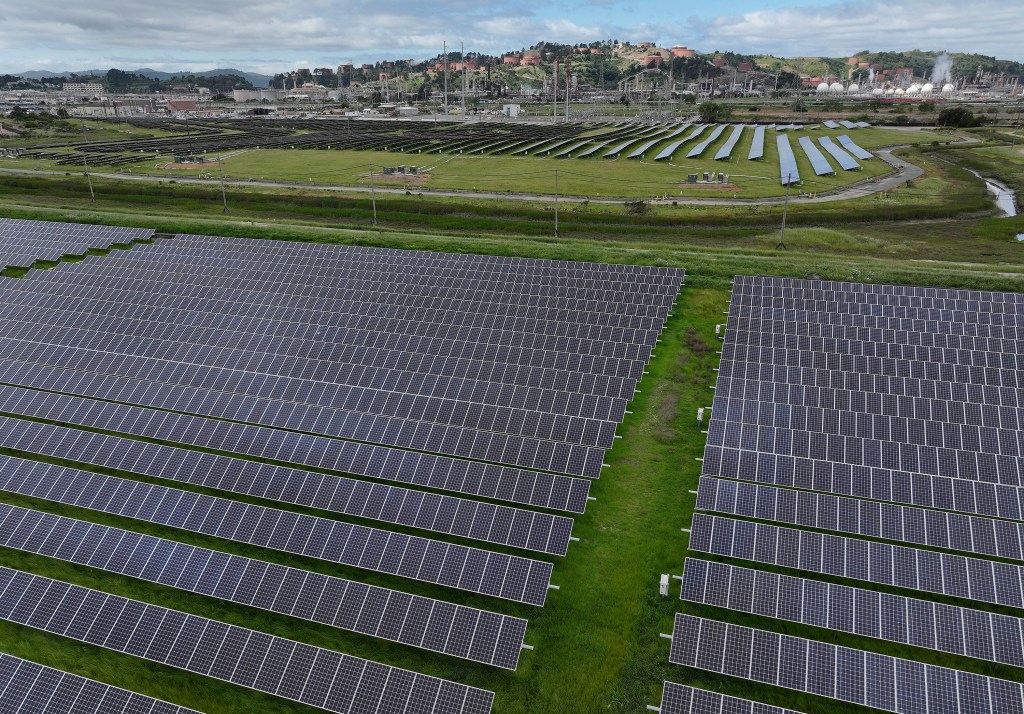
Manufacturers use gold in printed circuit boards, solar panels, satellite shielding and jewelry.
READ: TAMPA BAY BUSINESS NEWS
Real estate holds value because land is finite and communities need places to live and work. Properties can also generate rental income.
Some equipment works the same way. A tow truck, printing press or excavator can hold value because it produces revenue.
Inflation keeps physical assets in the discussion
Inflation raises the cost of materials, labor and replacement.
Over time, inflation also lifts the price of land, construction and equipment, which helps explain why many tangible assets rise in value over long periods.
READ: TAMPA BAY REAL ESTATE NEWS
Some physical assets depreciate by design. A personal vehicle remains the most common example.
Central banks have increased their focus on gold
Carol Roth, an economic commentator and author of “You Will Own Nothing,” said central banks have strengthened demand for gold by shifting how they build reserves.
“The shifting global financial order is also supportive of the gold thesis,” Roth said. “Central banks worldwide are leaning into gold as a critical component of their reserves. In fact, central banks have been net sellers of U.S. Treasury securities over the past decade or so, and instead of replacing them with another currency, they have been replacing them with gold.”
Tangible investing takes more work than buying securities
Investors can open a brokerage account and buy a stock in minutes. Tangible investing forces operational decisions.
An investor needs to choose a vendor, evaluate pricing and secure storage. Storage also depends on the metal.
READ: STATE OF TAMPA BAY’S ECONOMY
Gold and platinum pack high value into a small footprint. Silver requires more space.
Investors also need to protect themselves from counterfeit products. Counterfeit metals still circulate in the market, especially among vendors targeting inexperienced buyers.
Real estate investing demands knowledge and people
Real estate offers long-term upside, but investors need more infrastructure to execute deals safely and profitably.
They need to understand pricing, financing and deal structure. They also need to understand zoning, construction and legal exposure. They need a network they can trust.
READ: TAMPA BAY RAYS NEWS
That network usually includes appraisers, lenders, brokers, attorneys and contractors.
Time pressures also shape real estate decisions. Deals move quickly, and professionals often book out. Investors who want to act fast need backups.
One investor learned that lesson the hard way
Veteran real estate investor Tatiana Zagorovski said she rebuilt her approach after losing money early.
“When I first got started in real estate, I took people at face value, and that led to me getting conned out of over $100,000 on my first deal,” Zagorovski said. “But I picked myself back up, dusted myself off, and took a different approach to building my network.”
READ: USF NEWS
She said she started vetting contacts more carefully and documenting agreements more rigorously.
“As former President Ronald Reagan once famously said, ‘Trust, but verify,’ so that’s exactly what I did,” she said.
Zagorovski said that approach led her to a mentor and helped her build a deeper bench of experts who could support deals.
Liquidity remains the biggest tradeoff
Tangible assets can preserve value, but they can also tie up cash.
Investors usually sell stocks, bonds and CDs faster than they sell physical assets. Asset type and market conditions determine the timeline.
Precious metals can sell quickly because the market is large and pricing is transparent. Industrial equipment can take longer because buyers shop based on need, location and shipping costs.
Real estate often takes the longest, and zoning or regulatory issues can slow a deal.
Stability depends on cash planning
Tangible assets can strengthen a portfolio, but investors still need liquidity.
They need enough cash to operate a business, cover unexpected expenses and act on opportunities when they appear.
In a soft economy, investors build stability through what they own and what they can access.
Stay Informed
Stay up to date on Tampa Bay business news, executive profiles and the companies shaping the region.
Search
RECENT PRESS RELEASES
Related Post