As the UK looks to invest in nuclear, here’s what it could mean for Britain’s environment
December 12, 2025
When UK prime minister Keir Starmer announced last week that he was “implementing the Fingleton review”, you can forgive the pulse of most Britons for failing to quicken.
But behind the uninspiring statement lies potentially the biggest deregulation for decades, posing peril for endangered species, if wildlife experts are to be believed, and a likely huge row with the EU.
More, after this week’s most important reads.
Essential reads
-
2025 ‘virtually certain’ to be second- or third-hottest year on record, EU data shows
-
Just 0.001% hold three times the wealth of the poorest half of humanity, report finds
In focus
Earlier this year,John Fingleton, a lively, intelligent Irish economist, was commissioned by the government to lead a “taskforce” with a mission tocome up with a way to build nuclear power faster and cheaper. It’s accepted by experts that we need more nuclear if we are to meet net zero, and that Britain is the most expensive place in the world to build it. In the end, Fingleton turned in a review with 47 recommendations aimed at speeding up the process. So far, so snoozeworthy.
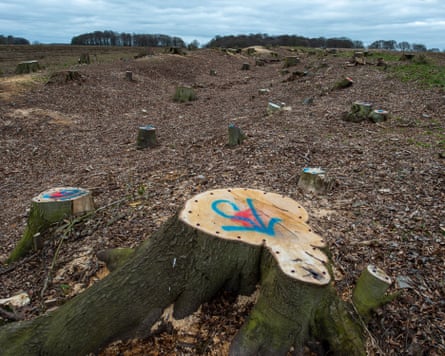
However, his recommendations, if adopted, could well lead to the biggest divergence from retained EU habitat and environment law since Brexit. Changes could be made to the habitats directive, which Britain helped write when we were in the EU, and which protect rare species and the places they live. The government could also make it more costly for individuals and charities to take judicial reviews against infrastructure projects.
Fingleton thinks his review should also be applied to railways, reservoirs and other infrastructure to make it easier to build – which means there would be intense, widespread deregulation. So does Starmer, who said in his speech about the document that there are “well-intentioned, but fundamentally misguided, environmental regulations” and the review should be implemented “right across our economy”.
Legal advice is that removing these rules for nuclear power will inevitably lead for other infrastructure projects to be subject to the same, weaker regulatory system. Expert planning lawyer Alexa Culver said: “It’s a clever move to sneak broadbrush environmental deregulation, as the government can point to ‘net zero’ as being the ultimate driver. In reality, though, if you don’t protect ecosystems while reducing emissions, you’ve lost the battle. We’re gone anyway.”
It’s not surprising Starmer is clinging to anything which might increase economic growth – he and the Labour party were elected on a promise to make Britain’s economy boom so taxes don’t have to rise and public services can be properly funded. Instead, taxes are being ratcheted to the highest post-war level and the OBR has predicted an anticipated average GDP growth of 1.5% over the next five years. This is despite the controversial Planning and Infrastructure Bill which Starmer introduced in order to “get Britain building” and experts say it will weaken environmental protections.
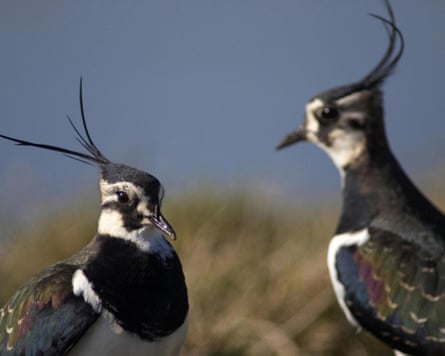
Nature also continues to decline. The recently released biodiversity indicators show species numbers continue to decrease in the UK, which is extremely concerning when you consider just how much wildlife has dropped off since the 1970s. Some species, including one-fifth of mammals, are facing extinction, and recent figures show wild bird numbers are in freefall.
Of the review, Georgia Dent, CEO of Somerset Wildlife Trust said: “The government seems to have adopted a simple, reductive narrative that nature regulations are blocking development, and this is simply wrong. Nature in the UK is now in steep decline and the government has legally binding targets for nature’s recovery, and is failing massively in this at the moment. To reduce the hard-won protections that are allowing small, vulnerable populations of species to cling on for dear life is absolutely the wrong direction to take.”
And many economists agree that one of the biggest hits to GDP growth in recent years has been Brexit, which has caused much trade friction between the UK and our closest neighbours. Some estimates say leaving the EU has reduced growth by 8%. In that sense, it’s sensible that Starmer has tried to start a “reset” with the EU to reduce barriers to trade. But ripping up parts of the habitats directive and other EU-derived conventions could put this at risk, particularly as the UK is negotiating an energy deal with the EU. There are competition and non-regression clauses in the newest free trade agreement, which prevent either side from weakening environmental law. Government sources tell me their legal advice has been that implementing the Fingleton review could put the free trade agreement at risk.
This isn’t all to say change isn’t required. Even within the EU’s strict environmental framework, we have seen nature decline and economic growth slow. And Fingleton himself isn’t some red tape slashing snail-hater; I spoke to him this week and he genuinely cares about the environment. He told me he was one of the “first no-dig gardeners”, that he loves nature, and thinks these reforms could simplify the process while providing vast sums for nature’s recovery.
He’s also from Ireland, a European country, and wants the EU to succeed in building infrastructure, meeting net zero and boosting economic growth, so believes the EU should follow his approach.
Perhaps his ideas will work, but they are being adopted, so far, with little debate or discussion, as well as minimal to no ecological input. When MPs, environmental experts and the EU look past the boring title and read the detail, Starmer may have a fight on his hands.
Read more:
-
Nature recovery plan in England hit by clause allowing contracts to end with a year’s notice
-
UK ‘most expensive place’ to build nuclear power, review finds
To read the complete version of this newsletter – subscribe to receive Down to Earth in your inbox every Thursday
Search
RECENT PRESS RELEASES
Related Post