As Trump admin moves away from solar, Philly doubles down with Abes Run deal
December 8, 2025
This story is part of the WHYY News Climate Desk, bringing you news and solutions for our changing region.
From the Poconos to the Jersey Shore to the mouth of the Delaware Bay, what do you want to know about climate change? What would you like us to cover? Get in touch.
As the federal government rolls back incentives for solar power, the city of Philadelphia is buying more.
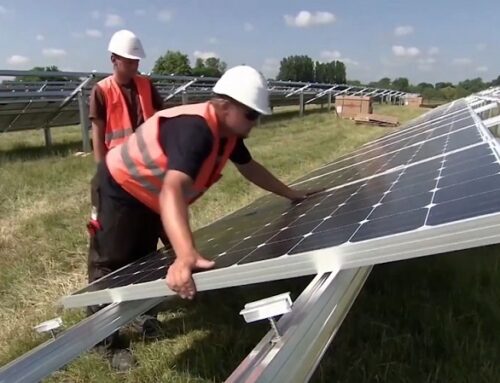
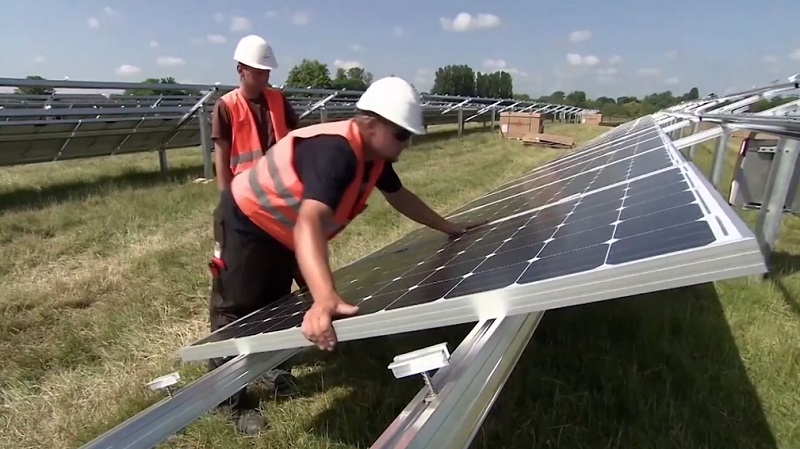
The city has inked an agreement with Oriden Power, a subsidiary of Mitsubishi Power, to buy electricity from a solar farm planned in Pennsylvania’s Clearfield County. The project, called Abes Run, is expected to be built and operational by the end of 2026.
Abes Run will generate enough electricity to power six City Hall buildings, or about 5% of the city’s municipal operations, according to officials. It will move the city closer to its goal of 100% renewable energy powering municipal operations by 2030.
“This is the next step towards that goal, and also at the same time, our commitment to keep energy costs low,” said Dominic McGraw, program director of energy and climate solutions in the city’s Office of Sustainability.
When Abes Run is online, 36% of the electricity the city buys will be renewable, McGraw said. This includes power from Adams Solar Farm near Gettysburg, which started producing 25% of the city government’s electricity last year, as well as renewable energy credits needed for the city’s electricity supplier to comply with the state’s renewable portfolio standard.
Purchasing power from new projects like Abes Run helps add more solar power to the regional grid, said Emily Schapira, president and CEO of the Philadelphia Energy Authority.
“This is really the most the city can do to develop local clean energy, make our local grid as clean as humanly possible and meet all of our goals,” she said.
Related Content
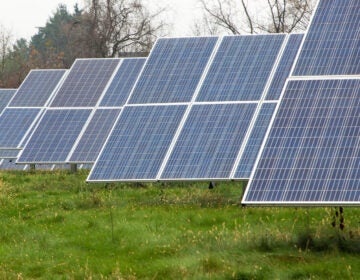
In rooftop solar, advocates see a ‘missed opportunity’ for clean energy in Pennsylvania
Pennsylvania lawmakers have been at an impasse on clean energy legislation for years.
3 weeks ago
Philly to pay more for solar power after federal policy changes
The Abes Run contract, a 20-year deal signed by the Philadelphia Energy Authority on behalf of the city, ensures the city will pay a set price for the power for the next two decades.
City and Energy Authority officials predict that this will insulate the city from rising energy costs and save taxpayers money in the future.
“It’s a price that will be much, much lower than what we’ll be paying in future years,” Schapira said.
But the city will pay more for Abes Run power than it initially planned. The draft power purchase agreement earlier this year would have cost the city $79 per megawatt-hour. The final agreement locks in a cost of $85.20 per megawatt-hour, according to the Philadelphia Energy Authority.
The final price is slightly more expensive than what the city pays for the rest of its electricity, which comes from the regional grid, but still “totally appropriate” for the city financially, Schapira said.
The higher price reflects challenges in the solar energy market posed by tariffs and new restrictions on solar tax credits under the “One Big Beautiful Bill Act” signed by President Donald Trump this summer, Schapira said.
The project is expected to be completed in time to take advantage of a tax credit for commercial solar installations that the law sunsets at the end of 2027.

Never miss a moment with the WHYY Listen App!


WHYY is your source for fact-based, in-depth journalism and information. As a nonprofit organization, we rely on financial support from readers like you. Please give today.
Chester County certifies election results in tense meeting amid poll book controversy
Apologies were met with frustration from angry residents, who called for resignations from the county’s top officials.
3 days ago
How Trump’s rollbacks to vehicle mileage rules could impact Philly air quality
The Trump administration said it wants to make cars more affordable.
3 days ago
Advocates say federal immigration officials have detained many people in Norristown and have ramped up activity in Abington, Perkiomenville and Ambler, among other areas.
4 days ago

Search
RECENT PRESS RELEASES
Related Post