“Autonomous Driving Professionals” Crowd the Embodied Robot Table
April 16, 2026
Gasgoo Munich- As the landscape of the autonomous driving sector settles, a wave of industry “veterans” is collectively shifting gears and flooding into the embodied intelligence arena.
According to incomplete data from Gasgoo, roughly 40 core executives and technical leaders from China’s autonomous driving sector have crossed over into embodied intelligence since 2023, spanning more than 20 startups. Notably, over 70% of these companies were established in just the past two years.
As these autonomous driving veterans bring their technical expertise and mass-production experience into the embodied intelligence race, one question looms: Is this a natural extension of technology, or a high-stakes gamble with an uncertain outcome?
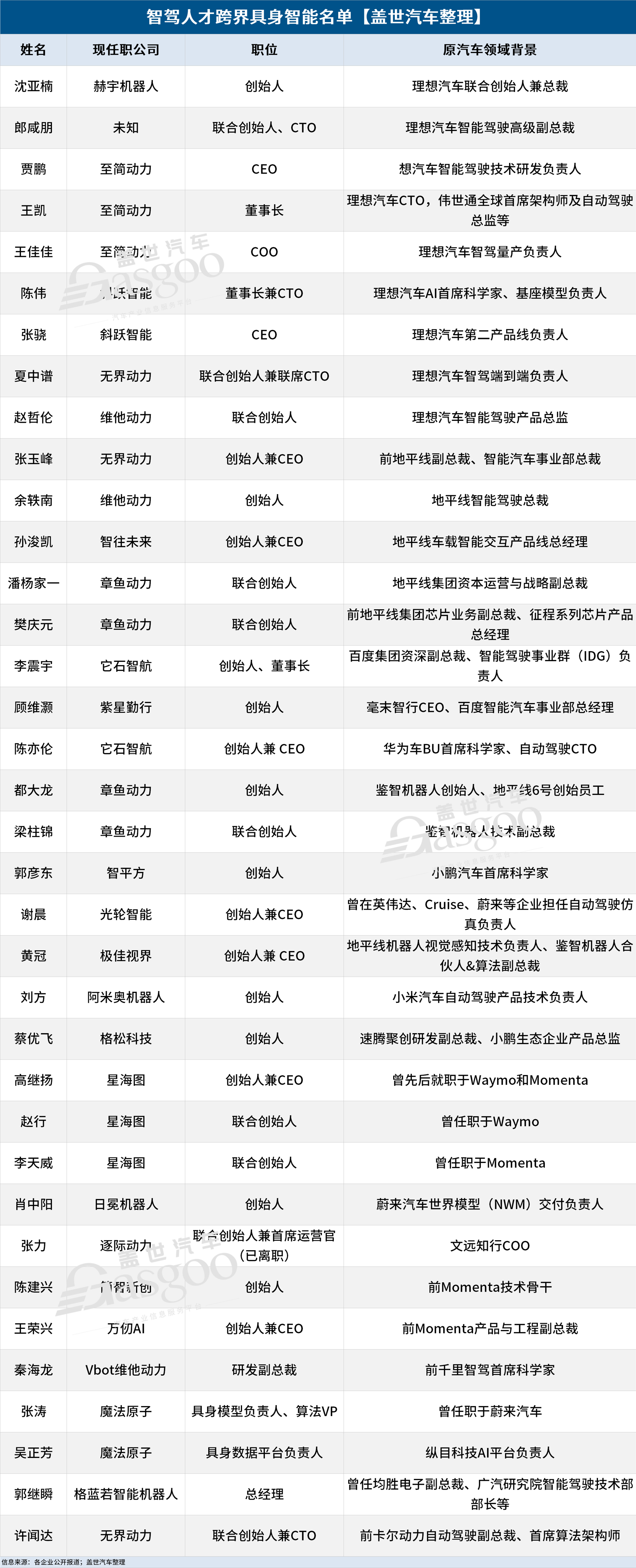
Image source: Gasgoo
Why Autonomous Driving Talent Is Switching to Embodied Intelligence
Analysts at the Gasgoo Institute point to three core drivers behind this mass migration of talent:
First, embodied intelligence and autonomous driving share deep technological roots. Both rely on the “perception-decision-execution” loop, and the high reusability of this tech stack makes the transition far smoother than one might expect.
Second, intelligent vehicle technologies—led by advanced driver-assistance systems—are maturing, and technical roadmaps are converging. Faced with professional “ceilings,” veteran executives are seeking new blue oceans.
Finally, capital is pouring into the embodied intelligence sector, creating opportunities for massive returns. This has not only driven up salaries but also significantly lowered the barrier to entrepreneurship.
These three factors form a chain of cause and effect.
As two primary applications of physical AI, intelligent driving and embodied intelligence share a common underlying logic. Both rely on sensors like cameras, lidar, and millimeter-wave radar to perceive the environment and build models, followed by algorithm-based decision-making and execution by actuators.
The multi-modal fusion, end-to-end large models, world models, and data loop methodologies used in autonomous driving are highly consistent with embodied intelligence. Indeed, many industry insiders view a smart car as essentially a specialized robot on four wheels, carrying a battery.
Consequently, for autonomous driving professionals pivoting to embodied intelligence, there is little need to start from scratch in terms of algorithms or engineering architecture.
Their experience processing massive datasets, optimizing decision-making algorithms for complex scenarios, and managing large-scale engineering deployments provides a valuable “first-mover advantage” in the exploration of embodied intelligence.
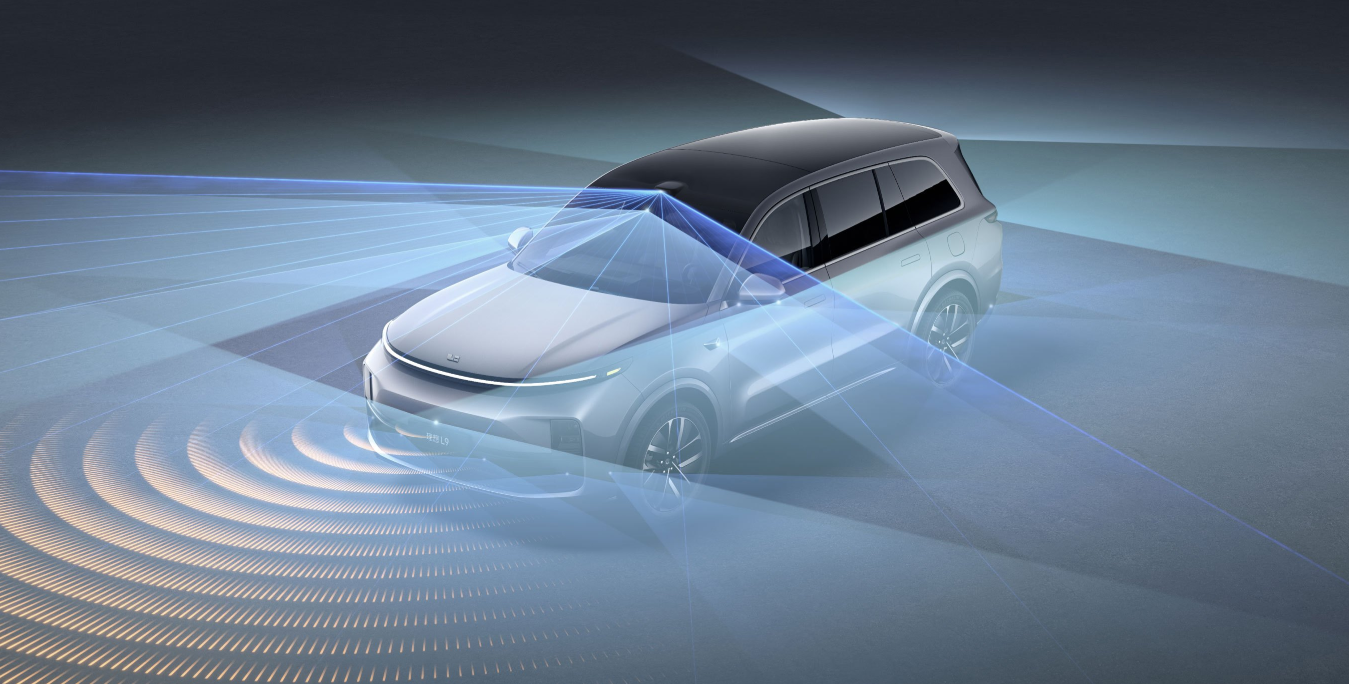
Image source: Li Auto
If shared technology provides the *possibility* for this migration, the shifting landscape of the autonomous driving market provides the *impetus*.
After years of survival-of-the-fittest competition, the domestic autonomous driving sector is consolidating. A handful of leaders—Huawei, Li Auto, NIO, XPENG, and Horizon Robotics—are leveraging their first-mover advantages to dominate market share and control key technologies. The breathing room for other players is rapidly shrinking.
Yu Kai, founder and CEO of Horizon Robotics, put it bluntly: if autonomous driving were a final exam, it feels like we’re about to hand in our papers.
Fewer players at the table means lower demand for talent. Even core executives at top firms face intense competition and career ceilings, making the search for a “new table” imperative.
The sudden rise of embodied intelligence over the past two years, with its vast application prospects and market potential, offers a new direction for talent armed with deep technical expertise and practical experience.
Yet, what transformed this migration from individual choices into a collective movement was the fuel provided by capital.
While investment in autonomous driving has cooled after several rounds of consolidation, embodied intelligence has become the hottest new frontier in AI. Market VCs, corporate capital, and even local and state-guided funds are all pouring into the sector.
This capital influx hasn’t just funded companies; it has sparked fierce demand for top-tier talent. To build core teams and secure technological ground quickly, many startups are offering compensation and equity packages far above the industry average.
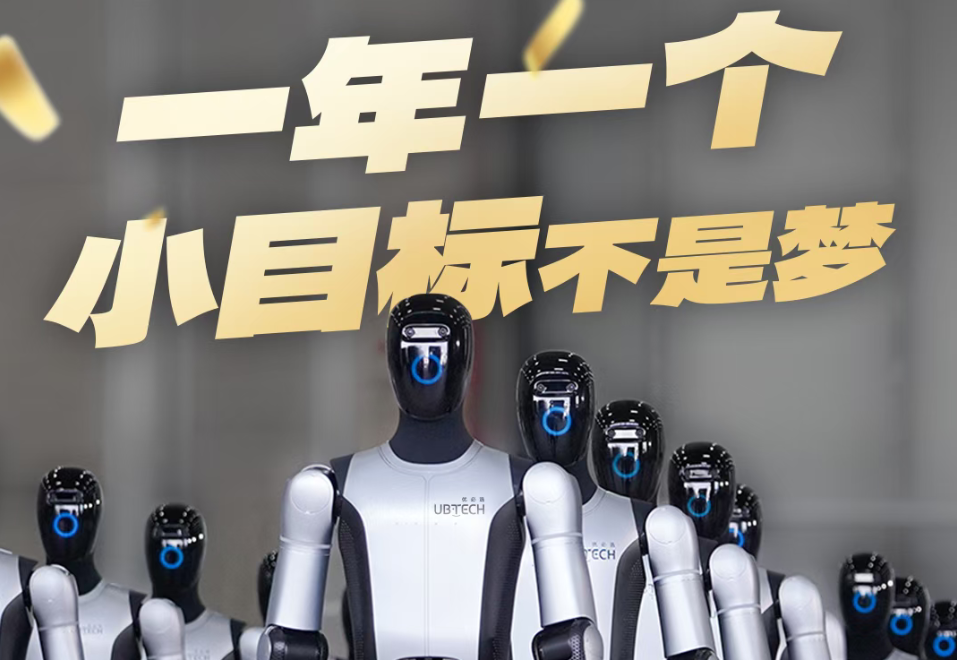
Image source: UBTECH
UBTECH, for instance, recently advertised globally for a chief scientist of embodied intelligence, offering a starting salary of 15 million yuan that could reach up to 124 million yuan. That puts the role on par with top scientists at international giants like OpenAI and Meta.
Magic Atom reportedly saw Dreame founder Yu Hao issue a near-command to his team: hire a chief scientist for 200 million yuan and launch an all-out “siege” against rival Unitree across PR, client relations, staffing, and bidding.
When leading players are willing to pay nine-figure sums for a single chief scientist, this goes beyond simple poaching.
Moreover, given the high compatibility of skills, many investors specifically target autonomous driving veterans when backing embodied intelligence startups, further accelerating the talent flow between the two sectors.
Li Auto and Horizon Robotics: Two “West Point Academies”
A striking pattern emerges in this migration: Li Auto and Horizon Robotics appear with unusual frequency.
Li Auto has funneled a cohort of core entrepreneurs—including Shen Yanan, Lang Xianpeng, Wang Kai, Xia Zhongpu, and Zhao Zhelun—into the sector over the past two years. Horizon Robotics, meanwhile, has spun out founders and executives like Zhang Yufeng, Yu Yinan, Sun Junkai, Pan Yangjiayi, and Fan Qingyuan.
Together, these two companies account for nearly half of the names on that list.
Why have Li Auto and Horizon become the source of this talent flow? The answer lies in their corporate DNA and organizational structures.
First, consider Li Auto.
Among the new wave of automakers, Li Auto has been notably aggressive in investing in core technologies. The company has heavily skewed resources toward AI-intensive areas like autonomous driving and smart cockpits.
This stems from the vision of founder Li Xiang, who positioned Li Auto as an AI company rather than a mere carmaker early on. He has long maintained that the ultimate form of the automobile is a robot, and that today’s smart cars are essentially “wheeled robots” operating in a standardized road environment.
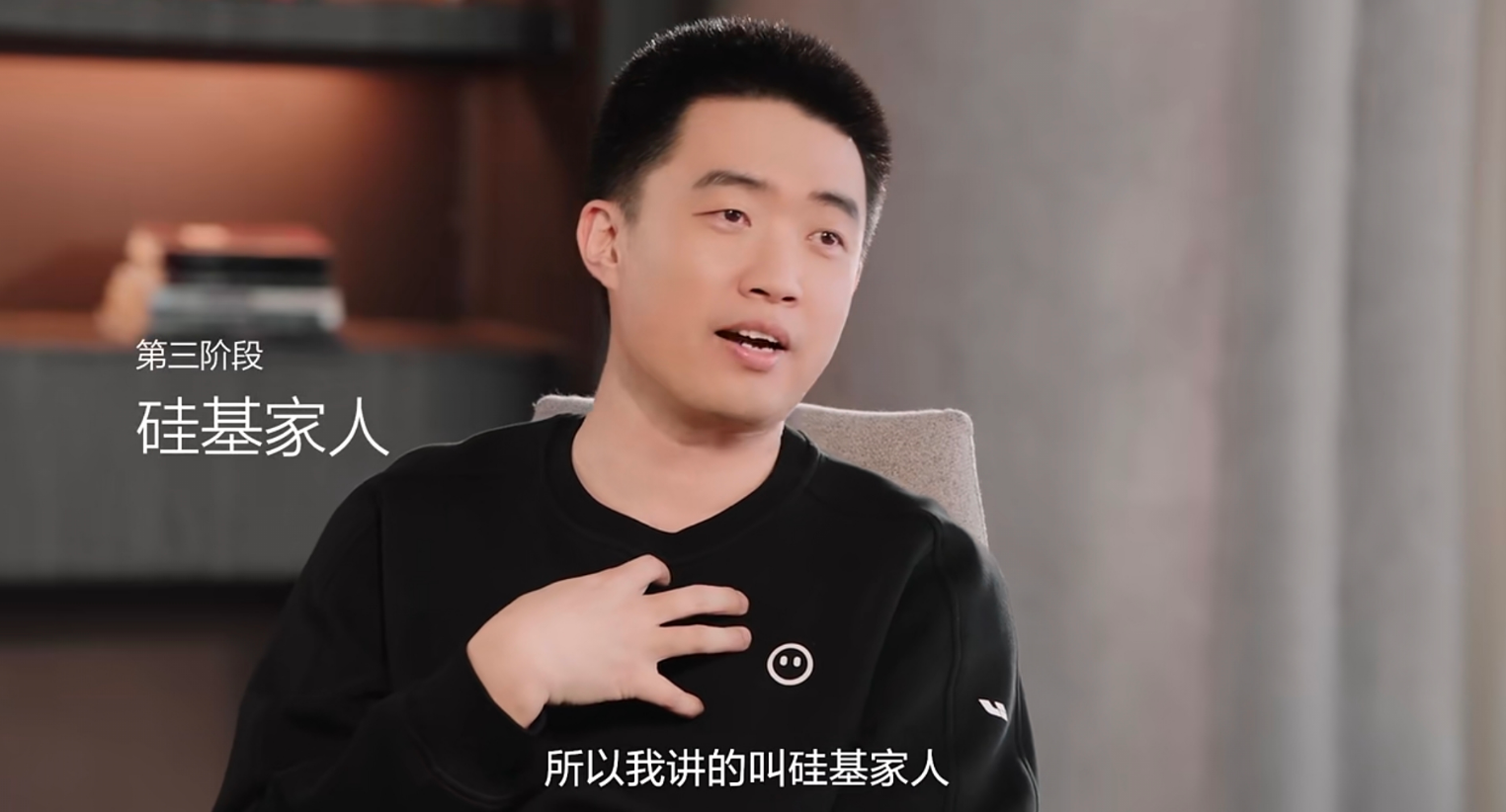
Image source: Li Auto
That foresight, combined with sustained heavy investment in AI, has drawn a cluster of top-tier algorithm and autonomous driving talent to the company.
Yet, continuous strategic upgrades often bring dynamic team adjustments.
Earlier this year, Li Xiang pushed the brand beyond “creating a mobile home” to emphasize “embodied intelligence.” This triggered a massive internal restructuring, splitting the organization into specialized teams for base models, software entities, and hardware entities.
As the organizational center of gravity shifts toward underlying AI architecture, the roles and space for some autonomous driving executives inevitably change, making departure a natural choice.
Notably, after the exodus of core talent, Li Auto even discussed internally the idea of “recruiting back those who left for robotics startups”—a move that underscores the high value the company places on them.
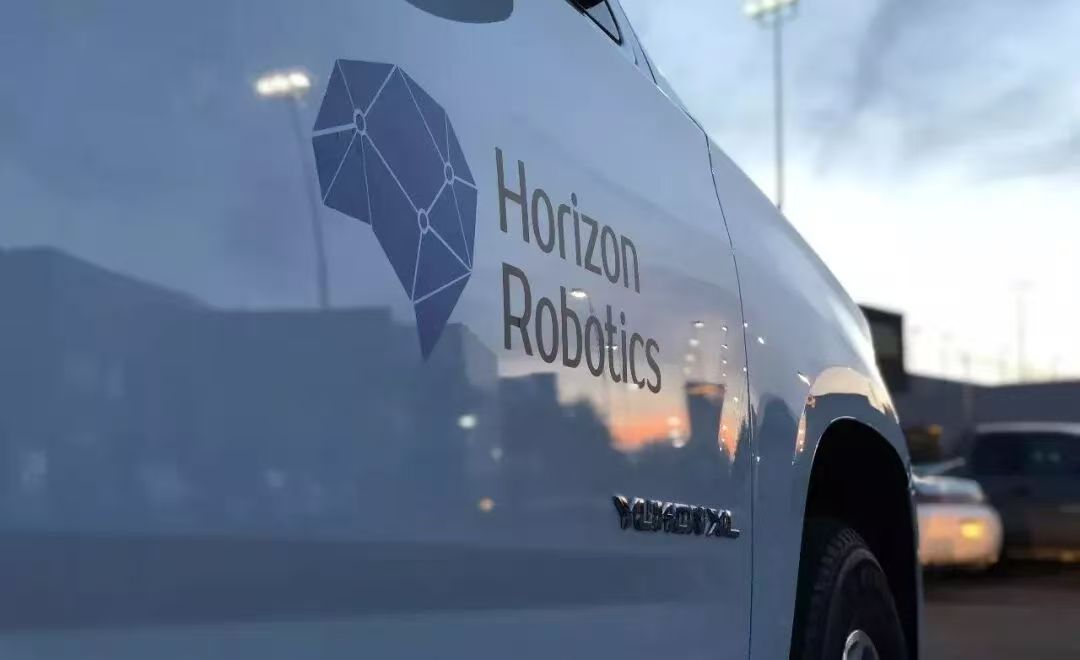
Image source: Horizon Robotics
Horizon Robotics, likewise, is steeped in AI DNA.
Founder Yu Kai is a flagbearer in the AI field. From the start, he anchored Horizon’s mission to a clear goal: to be the “Intel of the robot era.” That positioning meant Horizon was never just an autonomous driving company, but a foundational supplier of AI and robotics technology.
This DNA shaped Horizon’s unique talent requirements. Insiders say Yu Kai has always emphasized that any business unit leader must be capable of closing the business loop independently—mastering not just technology, but also client management, financials, and team leadership.
In other words, Horizon doesn’t just cultivate AI specialists; it builds “operators” who can run the show.
As a result, alumni often carry a distinct “lone wolf” capability. Zhang Yufeng, founder and CEO of Boundless Dynamics, is a prime example. Coming from an R&D background, his career at Horizon spanned the full chain from technology to product. As he puts it, he has been through the wringer on finance, legal, supply chain, negotiation, and business entertainment.
Wang Huai, founder and CEO of Linear Capital, described Zhang this way: “In a difficult and critical tech sector, he is one of the few who have deeply experienced the entire journey from technology to product, product to market, and market to scale.”
It was this systematic capability that allowed Zhang to lead Boundless Dynamics to nearly 800 million yuan in financing within just six months of launching in 2025.
Overall, while both groups represent top-tier AI talent, the “Li Auto cohort” tends to carry a strong imprint of product definition and scenario implementation, whereas the “Horizon cohort” excels in platform thinking and ecosystem building.
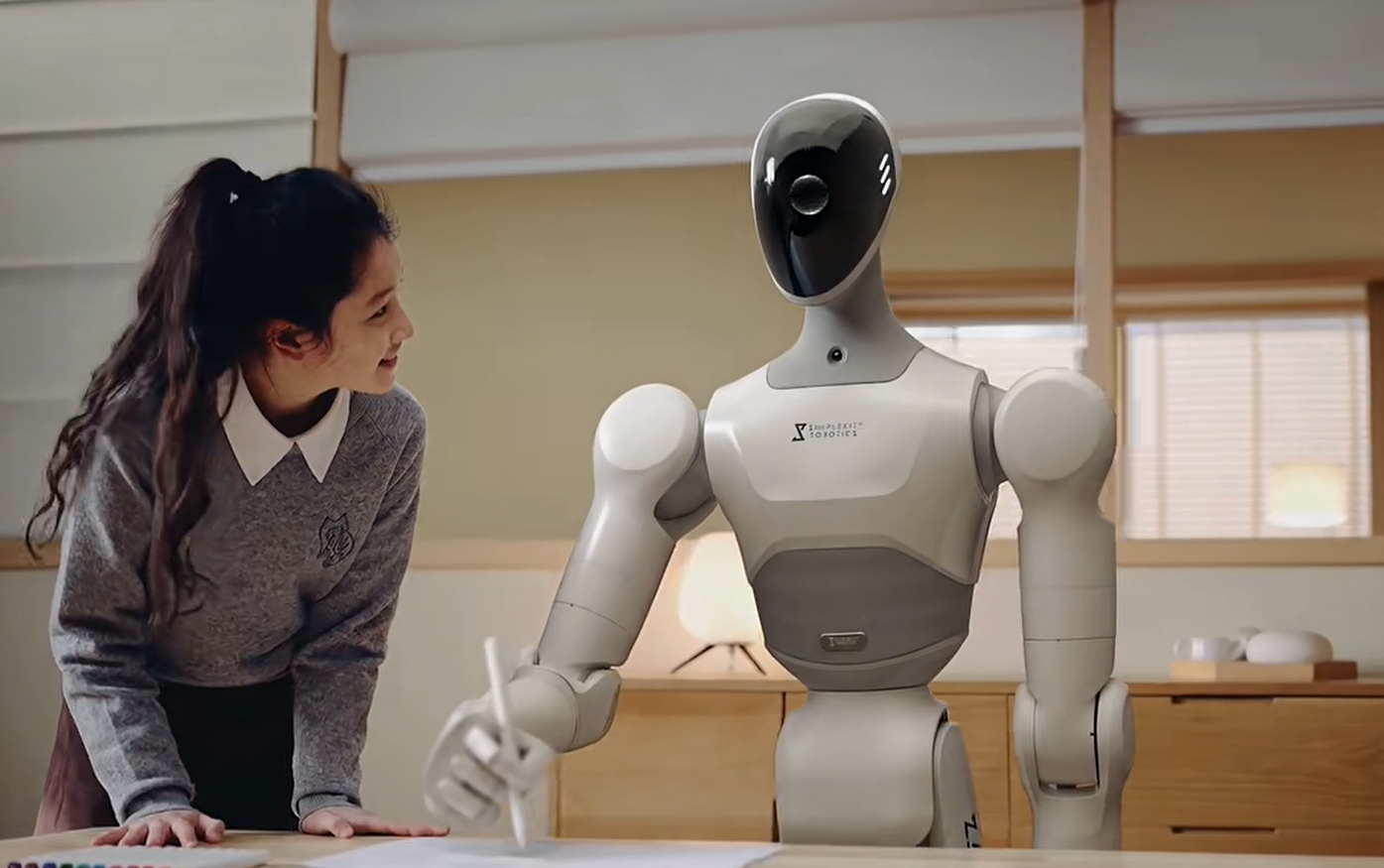
Image source: Zhijian Dynamics
Beyond their natural AI DNA, capital has played a key “catalyst” role in this migration.
Zhijian Dynamics, co-founded by Jia Peng, Wang Kai, and Wang Jiajia, completed five funding rounds in six months, raising 2 billion yuan. Its bet was the systematic capability the core team had honed at Li Auto.
As they describe it, the team survived the most brutal competition and rapid iteration in the market, navigating the full cycle from near-death to breakout, and from zero to one to scale. What remains is a deep understanding of the gap between high-level strategy and execution, and an almost instinctive grasp of resource pacing, cost boundaries, and organizational efficiency.
For investors, this carries far more weight than a flashy algorithm demo. It proves this team knows how to turn an idea into a deliverable product.
For “Horizon” entrepreneurs, investors even joke: “As soon as a Horizon technical employee whispers about starting a company, the term sheets (TS) arrive.”
Though hyperbolic, it reflects a real preference: capital’s trust in a Horizon background has become almost a conditioned reflex.
More notably, faced with employees going solo, Horizon chose not to block them but to join them. Boundless Dynamics, Octopus Dynamics, and Vitas Dynamics—all founded by former employees—received early investment from Horizon.
Behind this strategy lies not just tolerance, but active “ecosystem incubation.” After all, embodied robots are a key “landing point” for the company’s core technologies.
A Dimensional Reduction Attack, or a Daring Gamble?
While autonomous driving talent brings natural advantages to embodied intelligence, the other side of the coin deserves attention.
“Automotive professionals entering embodied intelligence have a foundation for a ‘dimensional reduction attack’ thanks to their experience in perception, planning, and decision-making,” said the Gasgoo analyst. “However, embodied intelligence faces steeper challenges in physical interaction, joint control, coordination between the ‘big and small brains,’ data collection, and supply chain maturity. These cannot be solved by simple technology transfer; they must be tackled from scratch.”
He Xiaopeng, founder of XPENG, has estimated that developing a humanoid robot is “dozens of times harder than building a car.” The scale of the challenge is clear.
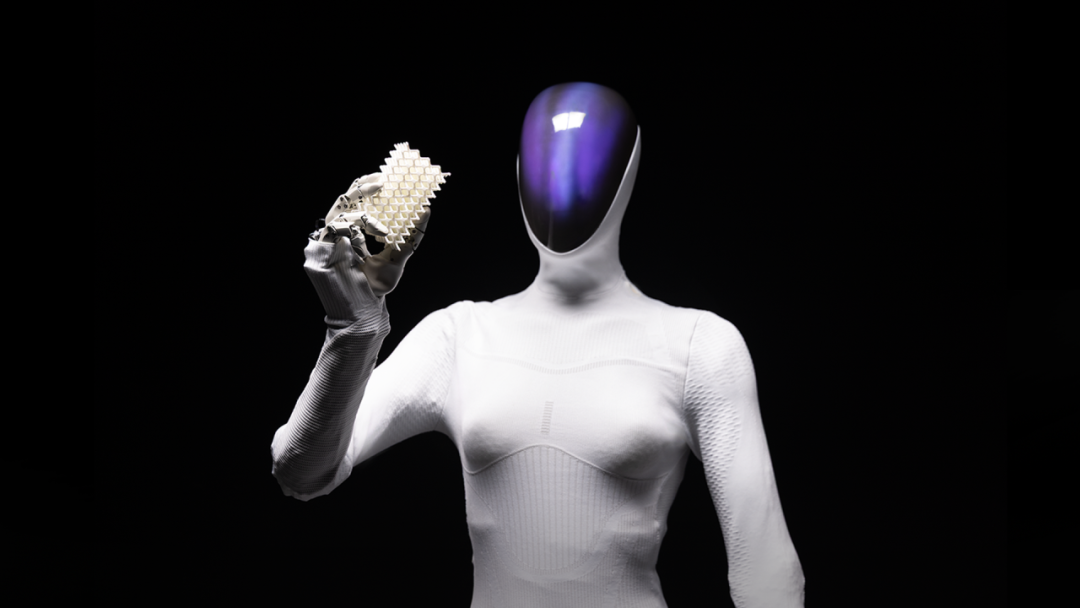
Image source: XPENG
Technically, a smart car’s movement is largely constrained to two-dimensional road surfaces with limited control variables. An embodied robot, however, requires whole-body control with dozens of degrees of freedom, involving complex dynamic balance and contact physics.
Furthermore, in planning and decision-making, the path-planning algorithms mastered by automotive experts often fall short when faced with delicate tasks like “taking a key out of a pocket and inserting it into a lock.”
In short, while the “brain” that autonomous driving experts bring is powerful, embodied intelligence truly tests the “cerebellum” and the “hands.”
Commercial challenges are equally thorny.
The function of a car is clear: transportation. Embodied intelligence, however, still lacks a single, massive “must-have” scenario. In factories, robots struggle to match the precision and speed of dedicated mechanical arms. In homes, their ability to generalize in unstructured environments—like doing laundry or cooking—remains far from ready.
This scenario uncertainty means the cost-reduction strategies automotive veterans excel at may have little leverage in the early stages of embodied intelligence, making it difficult to trigger the virtuous cycle of “cut costs, scale up, cut costs again.”
Cultural friction also cannot be ignored.
The automotive industry is governed by rigorous process standards, functional safety norms, V-model development cycles, and timelines that span years. The AI and robotics world, by contrast, values rapid iteration and agile trial and error. Balancing software agility with hardware reliability presents a significant management challenge.
Because of this, some industry insiders believe the current influx of autonomous driving talent has, to some extent, created a new bubble.
But that isn’t necessarily bad. “In the long run, this is a healthy spillover process necessary for maturation,” one insider said. “The sector currently suffers from overheated capital, inflated talent premiums, unclear scenarios, and vague business models. Differentiation is inevitable. As the bubble bursts, the industry will clear out quickly, and the market will likely undergo a brutal shakeout.”
After all, bubbles and shakeouts are the inevitable path for emerging industries to reach maturity.
For these cross-border players, what determines whether they stay at the table isn’t just how much automotive experience they bring, but whether they can refresh their mindset for the new battlefield—acknowledging the limits of their “dimensional advantage” and facing the reality that they must start from scratch.
Conclusion
The mass migration of automotive talent into embodied intelligence is, at its core, the inevitable result of technology spillover overlapping with industrial cycles.
As the autonomous driving table grows crowded and the embodied intelligence track opens up, talent flow signals a reallocation of resources. For the robotics industry, AD veterans bring more than just algorithms and engineering experience; they bring the systems thinking and mass-production discipline honed over a century of automotive manufacturing. These are the “nutrients” the robotics industry—still largely in the “laboratory phase”—needs most.
But for these nutrients to be absorbed, the cross-border migrants must make a cognitive leap: bridging the gap from “reliable tool” to “universal partner” requires not just overcoming technological barriers, but a total reconstruction of product definition, business scenarios, and organizational culture.
The bubble will recede, valuations will normalize, and capital’s enthusiasm will cool. When that happens, the ones left at the table won’t be those who simply recite their autonomous driving resumes, but those who have learned to solve problems anew on this battlefield.
Search
RECENT PRESS RELEASES
Related Post