Between American oil and Russian gas lies Europe — Flood of millions approved to fund alte
December 20, 2025
Europe has started a new project that includes a large advancement in clean technology. The European Commission is working to achieve net-zero emissions, with more than €5 billion grants, with more, which is a first for European companies, with advances in hydrogen facilities, the renewal of energy corridor construction, the renewables of decarbonized industries. The initiatives end the reliance of Europe’s fossils on the US and Russia.
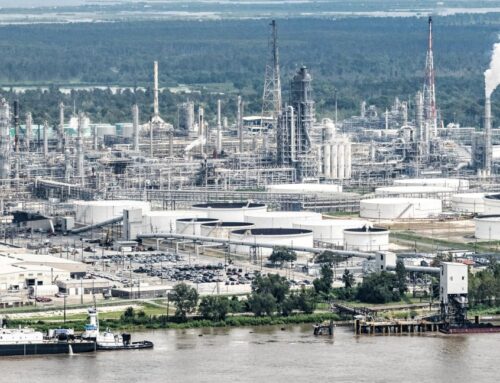
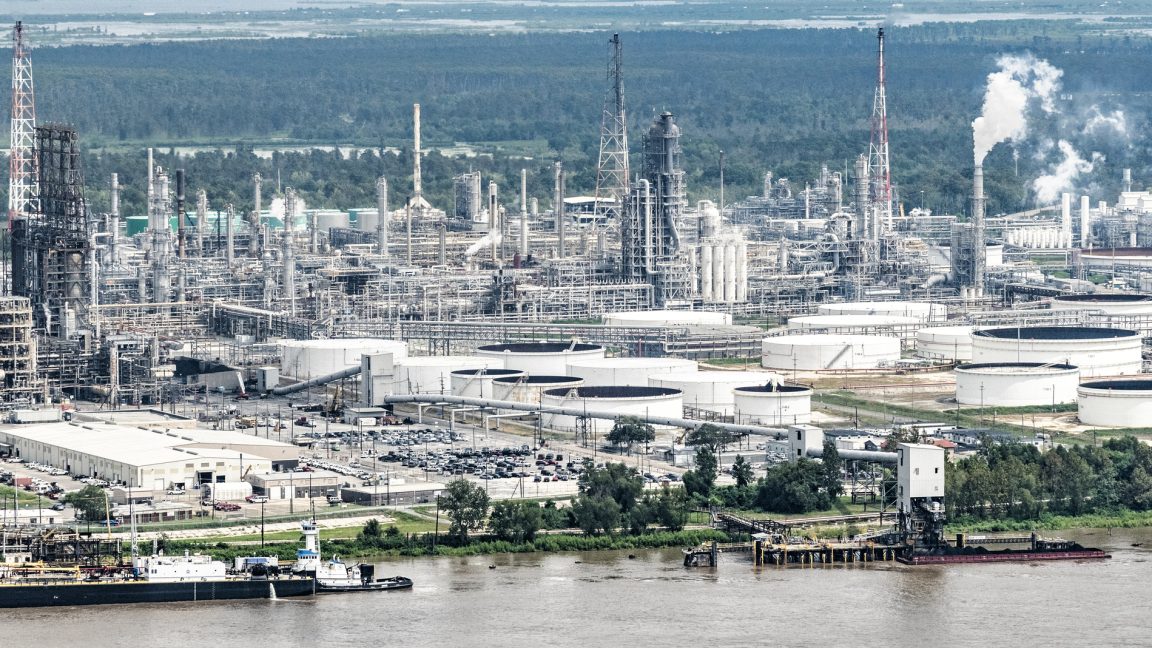
Europe’s dependency on U.S. oil and Russian gas imports explained
The people of Europe have relied on the continent’s American oil and Russia’s gas for decades. However, due to the EU’s political woes, its climate commitments, and the urgency of reducing emissions, Europe has decided on a new strategy, which the new funding package hopes to end the current energy crisis. This package is one of the most ambitious steps yet toward energy independence in Europe.
What will come from the new venture?
These ventures will cut emissions of some of the most wasteful and pollutive industries, steel and chemicals. The funding will also promote the production and storage of hydrogen. ESG Today argues that hydrogen is the clean alternative to fossil fuels and is the greatest remaining opportunity for energy independence in Europe, being the most flexible fuel we could hope to have.
The South2 Corridor is one of the most important projects to receive funding, with the most recent inclusion in the EU’s Projects of Common Interest (PCI). FuelCellsWorks states the corridor will be vital to hydrogen infrastructure in southern Europe and central Europe.
The corridor: What is the purpose?
The corridor’s purpose is to move hydrogen renewably across to the regions with the most demand, where the hydrogen is produced from solar and wind resources.
The corridor is not about pipelines or hydro networks. It is about passing the methane economy of fossil imports to the hydron economy. The South2 corridor will remove the fossil fueled barrier to hydrogen use. The use will be scaled in the economy by linking hydrogen produced to hydrogen end uses and hydrogen storage.
The €5 billion will be spread across many projects in the following ways.
- Hydrogen supply and transport infrastructure: electrolyzer and pipeline storage.
- Decarbonization of Industry: emission-hostile support in cement, steel, and chemical void.
- Integration of Renewables: increased solar, hydrogen produced from wind.
The European Union is lessening geopolitical risk by boosting and diversifying economic activity and investing in renewable domestic resources and hydrogen.
Vulnerability to global oil and gas supply instability and price shocks has been one of Europe’s long-standing crises
Europe’s energy transition is also paving the way for Europe to become the world’s most advanced Green Technologies hub. Because of the anticipated billions from both the public and private sectors in decarbonization and hydrogen technologies, developing these technologies will generate job opportunities and sustain economic activity.
Optimism is in the air, but the road ahead is fraught with challenges. Creating a hydrogen supply and distribution system will not only be expensive but also complicated. There are several challenges, including a lack of adequate regulations across the member states. To counter the risks, the EU is offering the political will and the budgets to make it clear that the escape from fossil fuel dependency is a one-way trip.
A new vision for Europe is in the balance. It will be one with advanced clean technologies, in which the EU has made it undeniably clear that the advanced world is wholly dependent on renewable energy. As fuel supply crises in the form of American oil and Russian gas are in the balance, Europe is moving towards a closed-loop economy and energy independence. The approved EU budget does more than invest; it states Europe will be powered solely by renewables.
Disclaimer: Our coverage of events affecting companies is purely informative and descriptive. Under no circumstances does it seek to promote an opinion or create a trend, nor can it be taken as investment advice or a recommendation of any kind.
Search
RECENT PRESS RELEASES
Related Post