Big Tech is scooping up AI wearable startups. The customers are spooked
December 14, 2025
By Zara StonePublished Dec. 14, 2025 • 6:00am
For Meta, last week’s acquisition of Limitless, which makes a $199 AI pendant that continuously records and transcribes conversations, is small potatoes. But for the burgeoning AI wearables market, the purchase represents a leap in legitimacy.
“We’re no longer working on a weird fringe idea,” Limitless CEO Dan Siroker told users in an email Dec. 5 announcing the deal.
However, the purchase — the price was not disclosed — means significant changes for Limitless users, including the loss of HIPAA privacy protections, so doctors or therapists who used it clinically needed to switch platforms. Limitless also changed the suggested minimum age of users from 18 to 13. And anyone using the service in Brazil, China, the EU, Israel, South Korea, Turkey, and the U.K. immediately lost access to the product, likely due to local data regulations.
Many Limitless users were furious about the news and alarmed about what the acquisition would mean for their privacy. “Assume I’m not the only one looking at this pendant on my desk like it’s a wiretap,” one posted on Reddit (opens in new tab).
Listen toThe Standard Podcasts
Pacific Standard Time3 days ago
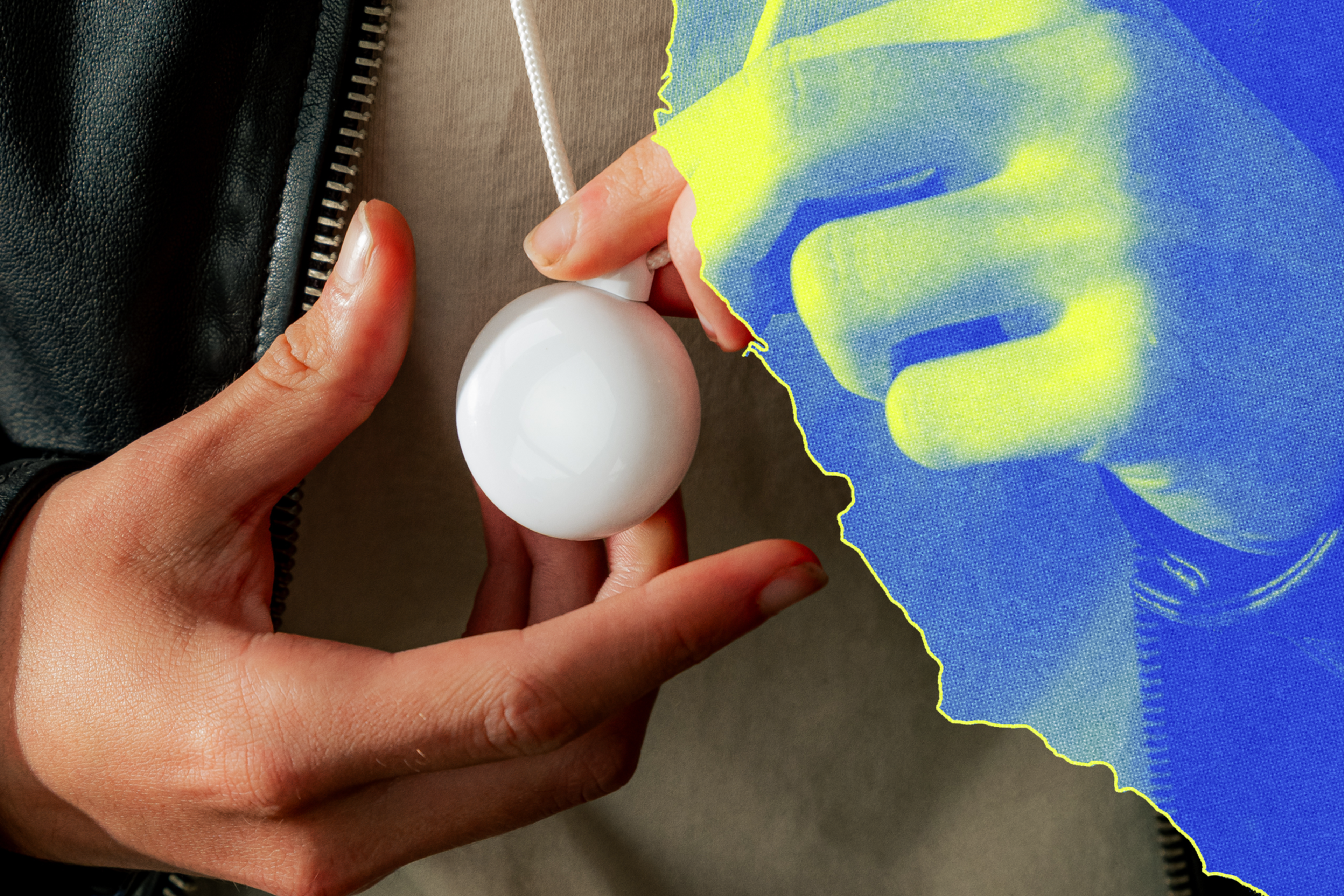
This marks Big Tech’s second AI wearable acquisition this year. In July, Amazon purchased Bee, which makes a $49 always-listening wristband that transcribes everything it hears. In May, OpenAI announced that it is working with Apple design legend Jony Ive on its own AI hardware project. None of the companies involved responded to requests for comment.
For founders in the AI wearables space, the Amazon and Meta deals add legitimacy to their work — and concern about who will ultimately control the category.
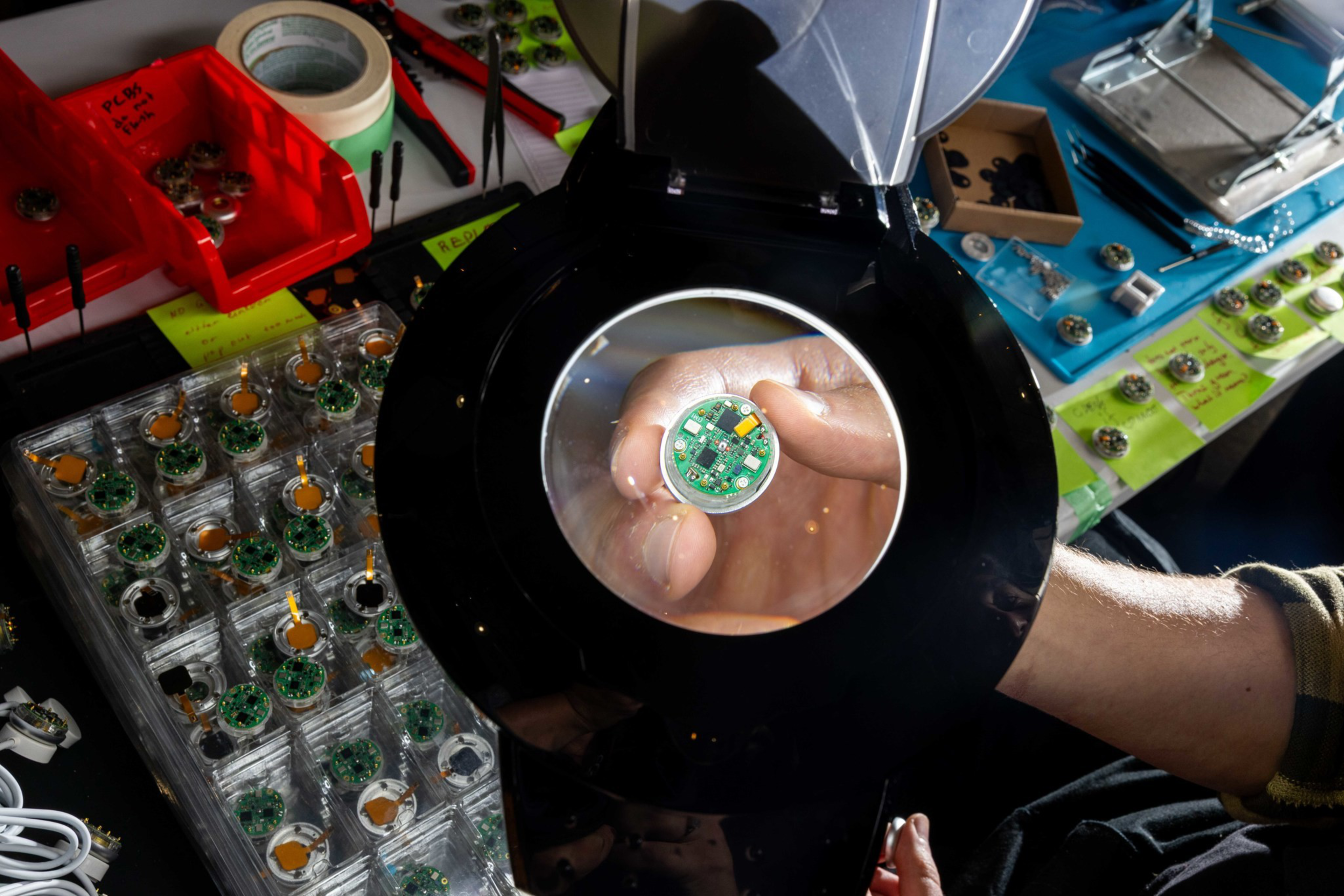
Akshay Narisetti, founder of Pocket, which sells a $99 (opens in new tab)HIPAA compliant AI recorder, said the Meta purchase signals a shift in how people interact with devices. “The big platforms are waking up to the fact that the next interface won’t be a screen,” he said. “Meta acquiring Limitless is a strong signal that AI recording wearables are not a side experiment anymore.”
But selling to a tech company means losing independence. Narisetti — whose company is part of Y Combinator’s winter 2026 class — has been approached but isn’t interested in selling. “This category is too early and too important to get folded into a larger road map. Our goal is to define the space, not exit it,” he said.
Listen toThe Standard Podcasts
Pacific Standard Time3 days ago
Nik Shevchenko, founder of Omi, (opens in new tab)another San Francisco AI recording pendant — which differentiates itself by being HIPAA-compliant, (opens in new tab) open-source, and offering an option to store information locally on the device (opens in new tab) — says Meta’s deal for Limitless is a net positive for the wearable industry. “Meta is a very strong competitor,” he said, that “will push this market further.”
In the short term, the deal appears to be good news for Shevchenko’s company too. “Most of Limitless users migrated to Omi, which is funny,” he claimed.
On Reddit, the user concerned about wiretaps offered instructions on how to jailbreak the Limitless device via open-source firmware built by Omi.AI (opens in new tab).
“There’s an escape hatch,” wrote the user, “for anyone else trying to de-Zuckerberg their setup.”
Zara Stone can be reached at [email protected]
Search
RECENT PRESS RELEASES
Related Post