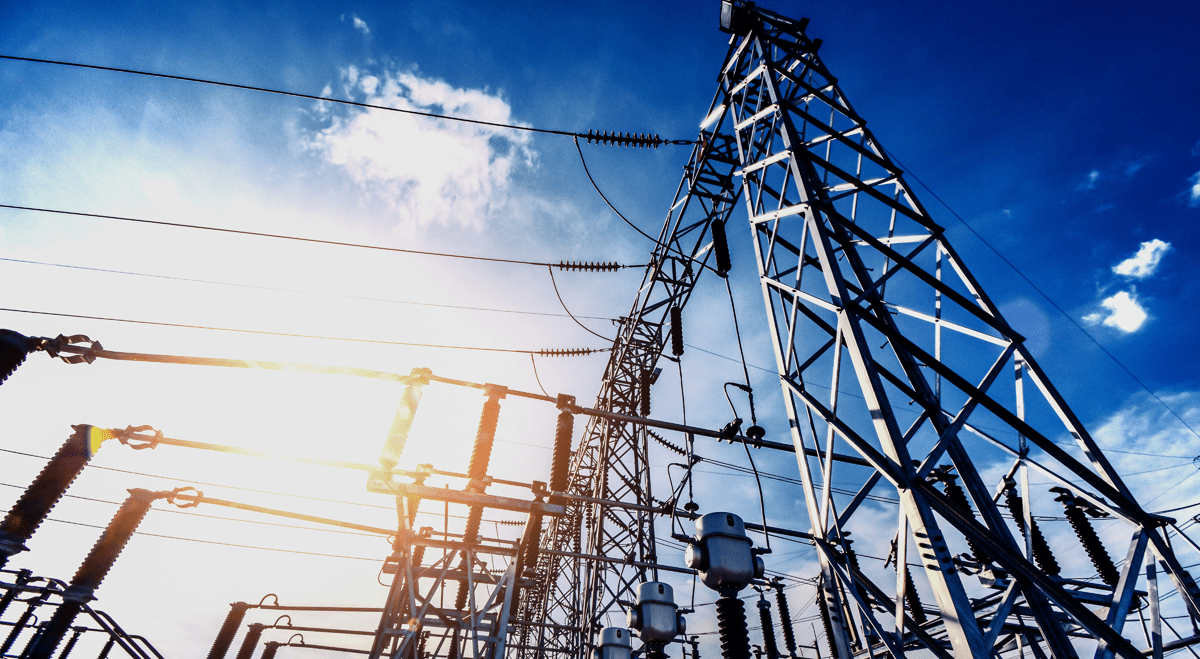
Building Africa’s Renewable Backbone: KETRACO’s Push for a Smarter Grid
June 17, 2026
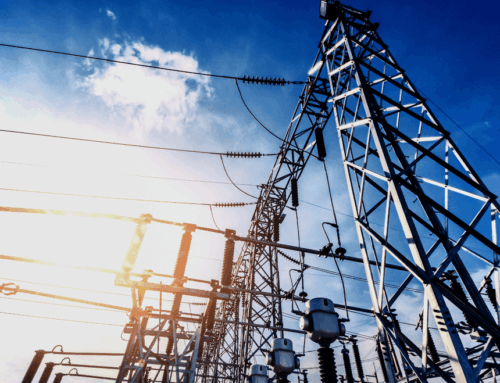
Imagine building high-voltage transmission lines across remote terrain on volcanic ground with steep escarpments, earthquake-prone areas, and geothermal hotspots. Then, add the challenge of building on protected wildlife areas and engaging with inhabitants of politically sensitive community lands.
These are just some of the challenges facing KETRACO, Kenya’s electricity transmission company, as Africa’s energy sector is undergoing a shift from a centralized power system to a more diversified, renewable-energy-based grid.
“Renewable energy is abundant. The real challenge is how to manage, integrate, and stabilize it,” Dr. Njogu Kimando, energy expert at KETRACO, said, speaking at the TAC Insights conference for SAP for Energy and Utilities in Toulouse. “The energy transition is not constrained by capacity, but by our ability to manage complexity in real time.”
Geothermal power generated in the Great Rift Valley provides about 40% of electricity in the region, making Kenya Africa’s largest geothermal producer. About 24% is generated by hydro power from rivers. The rest of the demand is met by wind power coming mostly from Lake Turkana, Africa’s largest wind farm, as well as solar. The fastest growing sector, solar is widely used in rural homes and businesses. Kenya has one of the highest household solar adoption rates in the world.
While renewables reduce costs, support climate alignment, and provide energy security, challenges include drought-induced water shortages, sun and wind variability and grid instability.
In the traditional grid, power is generated at a few centralized plants, creating a stable source of supply that is easy to control based on demand forecasts. The renewables (REN) grid, on the other hand, fluctuates with the weather, requiring real-time monitoring, rapid balancing, and more dynamic system control.
The core challenge in modern power systems is not the absence of data, but the lack of unified, real-time visibility across fragmented systems. This lack limits the ability to make timely and coordinated operational decisions.
“We’re constantly balancing supply and demand,” Kimando explained. “We have limited real-time visibility across generation sources, transmission assets, and demand patterns.”
As renewables expand, KETRACO’s role has evolved from simply building and operating transmission lines to managing power flows in real time, coordinating variable energy generation, and ensuring grid stability and reliability. The company is relying on digital systems to accomplish these tasks.
Kimando outlined the company’s new, integrated smart grid infrastructure. Forming an end-to-end digital value chain, it functions as the digital twin foundation for the grid and links operational technology with enterprise systems and advanced analytics.
Data is captured by SCADA, an industrial control system for infrastructure and utility networks, and is securely routed through SAP Business Technology Platform middleware to SAP S/4HANA, which serves as the enterprise backbone. It is here that operational data is translated into structured business processes.
“We’re relying on SAP technology to transform that raw data into predictive, actionable intelligence,” said Kimando, citing asset lifecycle management and outage reduction metrics as examples of ways to shift from reactive maintenance to predictive grid reliability. “Digital transformation is no longer a technology choice, but a strategic necessity. It’s a balancing game: values versus risks.”
For KETRACO, the goal is to unlock the full value of renewable energy while avoiding the escalating risks of operating in a complex and dynamic power environment. Inaction leads to grid instability and operational inefficiency, underutilization of energy investments, rising costs, and exposure to regulatory and compliance risks. Action based on data analytics leads to improved financial efficiency and better CAPEX decisions. It also leads to enhanced operational resilience with reduced outages and faster system recovery.
“Together, this strengthens our strategic positioning for the energy transition and ESG compliance,” Kimando explained.
At KETRACO, AI is considered a capacity multiplier, enabling a crucial shift from resource-intensive grid expansion to intelligence-driven grid optimization.
“AI is helping us achieve more with the same workforce. We’re enabling engineers, not replacing them,” the expert shared. “Automation is enabling our people to focus more on predictability and decision making.”
In addition, AI supports long-term sustainability goals because simulating scenarios before investing reduces errors and costs. It also enables self-optimized grid operations, reducing manual interventions and improving collaboration and integration among regional power systems and cross-border energy flows.
KETRACO’s role is to transmit electricity across Kenya and connect the country to the wider East African power market. Its importance is growing as Kenya has become a REN hub, expanding its geothermal, wind, and hydropower generation. Without its transmission infrastructure, much of Kenya’s renewable energy could not be delivered efficiently to consumers or neighboring countries.
In closing, Kimando summarized how digital transformation is changing the way power is managed, stabilized, and optimized: REN presents a system challenge, not a technological one. Technology must align to operations and strategy, control is achieved through visibility and integration, and partnerships accelerate scale and execution.
“The future grid will not be defined by how much power we generate, but by how intelligently we manage it,” he concluded.
Search
RECENT PRESS RELEASES
Related Post