Can You Retire a Millionaire by Investing Just $10 a Day? The Answer Is Yes — Here’s the
December 18, 2025
Two major factors determine your chances of reaching $1 million: your age and how long you plan to invest. Here’s what you can expect at retirement age with $10 a day invested.
A recent Gallup poll found that about 6 in 10 Americans have money invested in a retirement savings plan. Given the inflation rate and cost of living, it’s easy to understand why the remaining 40% have no such account. In the end, it may feel next to impossible to contribute a portion of each paycheck to an account that can’t be easily accessed until retirement.
Many have heard stories of custodians and longtime schoolteachers who left small fortunes behind when they died. For them, it was never about making a ton of money. Instead, it was about slowly and consistently adding to their investments.
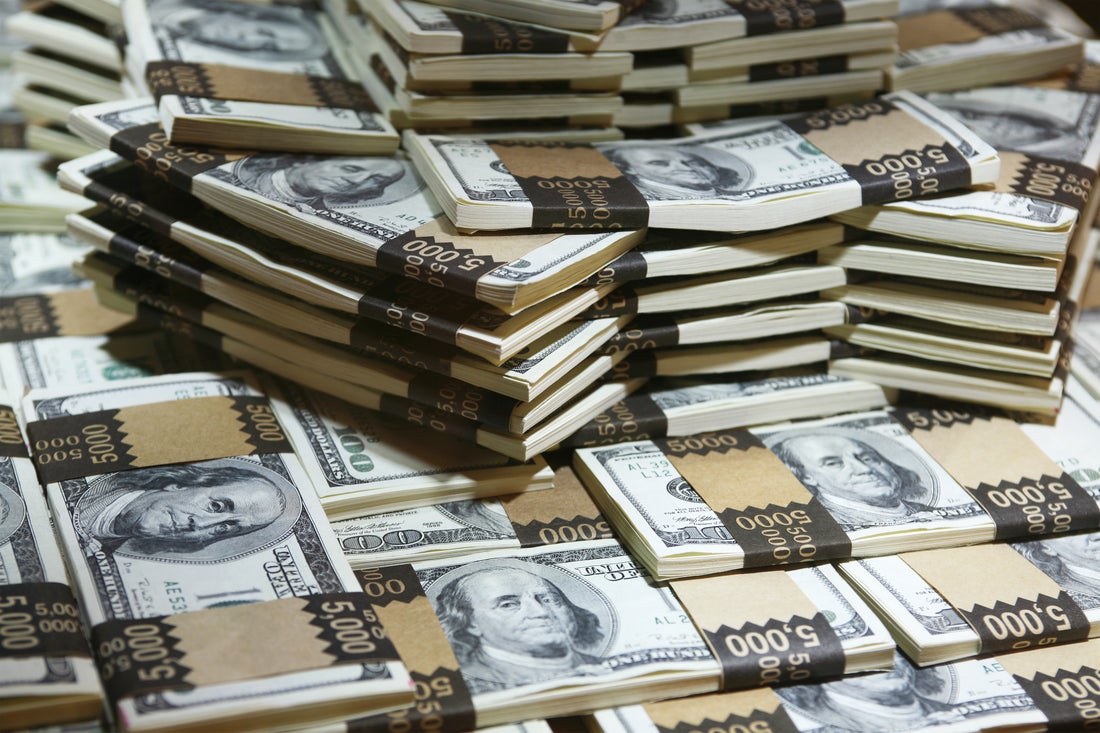
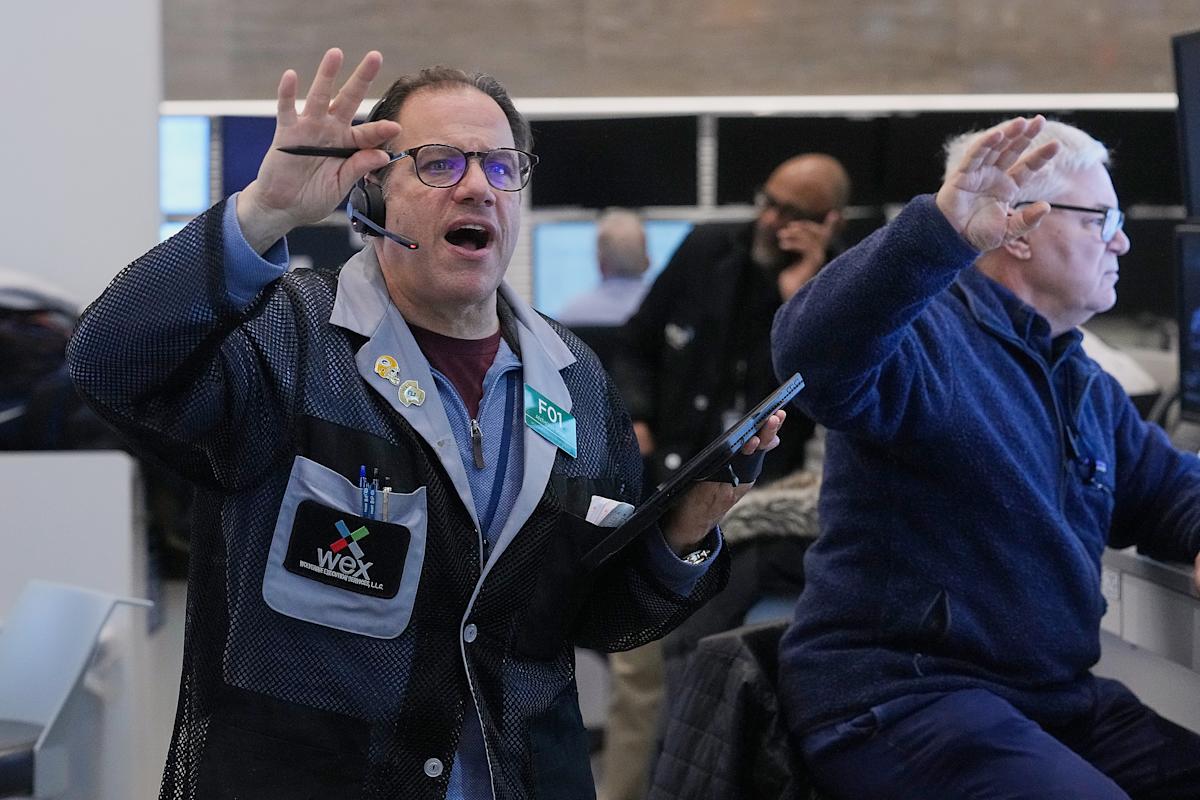
Image source: Getty Images.
The answer is yes, if you begin investing early. The younger you are when you begin, the more time compound interest has to work its magic and grow your investment. But that doesn’t mean you should give up if you’re older. In fact, you’re never too old to put money away for retirement.
Compound interest
The reason it’s possible to invest $10 a day and retire with $1 million is due to the power of compound interest.
Let’s say you commit to investing $10 a day through an employer-sponsored retirement plan. Your total annual investment would be $3,650. However, you don’t have to come up with it all at once. Instead, regular contributions come out of your paycheck.
Advertisement
For example, if you’re paid monthly, you’ll make 12 contributions of $304, and if you’re paid biweekly, you’ll make 26 contributions of $140. And if you’re paid each week, your weekly contribution will be $70.
Before telling yourself that you can’t afford to lose money from each paycheck, consider this: Most employer-sponsored retirement plans are “pretax,” meaning you’ll save money on taxes each payday because contributions aren’t taxed until you withdraw them in retirement.
As you go about your everyday life, interest builds on your investment. And because it’s compound interest, you’re not only paid interest on the $3,650 you’ve invested for the year, but you’re paid interest on the interest you’ve already earned.
Getting started
If you work for a company with an employee-sponsored retirement plan, find out whether it offers a matching program. Matching programs are a great way to earn “free money.”
If you don’t work for a company that offers a retirement plan, that’s OK. Opening an investment account with a brokerage is a fast, straightforward process. Better yet, it can be done online.
You can make contributions manually or have the money automatically transferred from your bank account at whatever intervals you choose. For example, if you’re paid biweekly but would prefer to set up auto-transfers once a month, you can do so.
If you have a profitable side-hustle or small business, you can invest by establishing a solo 401(k) or Simplified Employee Pension (SEP) IRA. You’ll appreciate the fact that each of these programs has very high contribution limits, so if you find yourself able to contribute more in the future, you’ll have the perfect vehicle for doing so.
If not, sticking with your $10-a-day contribution will still build your retirement account.
Age and interest rate
The two primary factors that determine how much money you put away for retirement are your age when you begin, and the average rate of return on your investment.
Imagine you regularly contribute $10 a day to a traditional IRA and want to retire at age 67. This table shows what your investment would be worth when you retire.
|
Age |
Years of compounding interest |
6% average rate of return |
7% average rate of return |
8% average rate of return |
9% average rate of return |
|---|---|---|---|---|---|
|
20 |
47 |
$879,528 |
$1,201,011 |
$1,652,180 |
$2,286,795 |
|
30 |
37 |
$464,274 |
$584,911 |
$740,801 |
$942,555 |
|
40 |
27 |
$232,399 |
$271,717 |
$318,656 |
$374,734 |
|
50 |
17 |
$102,921 |
$112,505 |
$123,121 |
$134,880 |
|
60 |
7 |
$30,621 |
$31,570 |
$32,550 |
$33,563 |
Data source: Author’s calculations using Investor.gov.
While past market performance doesn’t guarantee future performance, the average annual return for the S&P 500 (^GSPC +1.35%) over the past five years (with reinvested dividends) has been just north of 16%, or 11.078% after adjusting for inflation. Over the last 30 years, the average annual return has been a little over 10%, or 7.718% when adjusted for inflation.
As the table indicates, if you begin investing $10 a day at age 20, you’re likely to meet the $1 million goal by retirement age, and if you start at age 30, you could get close. However, if you’re older, you’ll need to invest more. For example, if you begin at age 40, by investing $37 a day ($1,125 per month) and earn an average rate of 7% you can achieve millionaire status by 67.
How much you’ll need for retirement will depend, in part, on where you live and the type of retirement you envision. Once you decide on how much money you want in your retirement account when you clock out for the final time, an online compound interest calculator can help you determine what it will take to get there.
Search
RECENT PRESS RELEASES
Related Post