Car repairs are a nightmare but this AI startup says it has a one-stop fix for diagnostics, costs and next steps
May 31, 2026
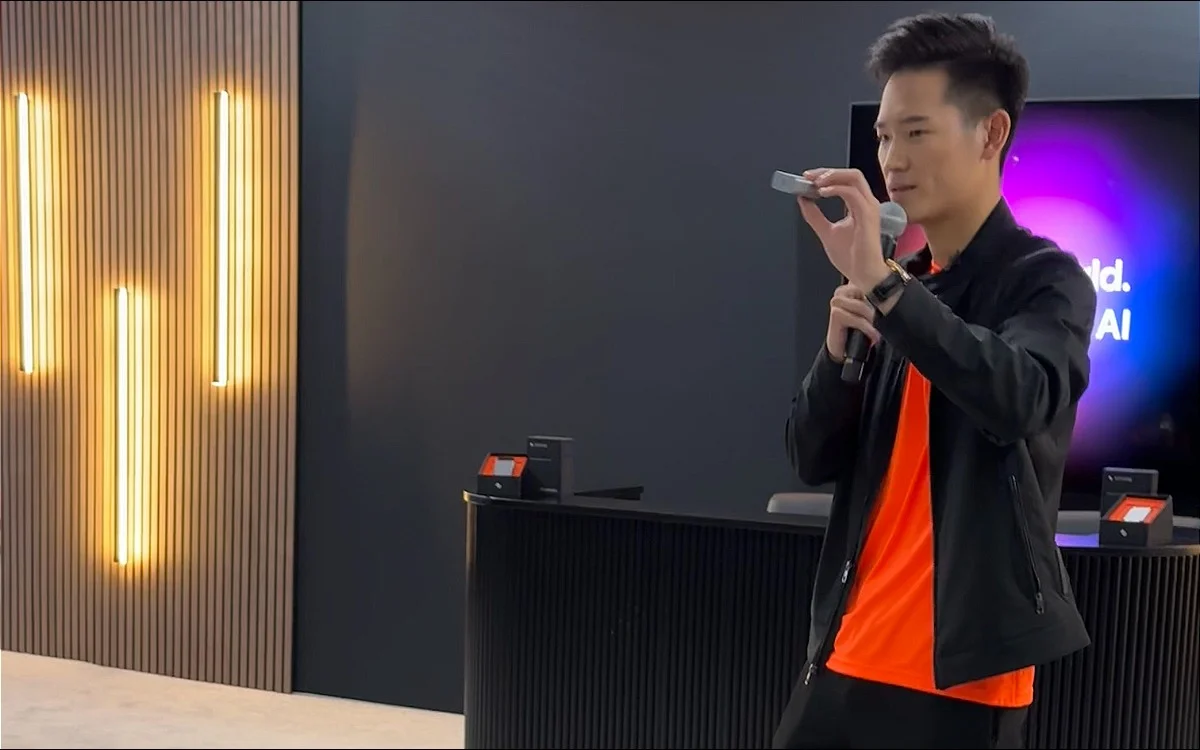
Artificial intelligence was the buzzword of 2025, and that’s not going to change in 2026 – especially when it comes to AI in cars.
We’re witnessing the AI-ification (we’ll ask ChatGPT whether that’s a real word later) of things.
Sparq, for example, is a tech startup that uses artificial intelligence to simplify and streamline the automotive diagnostics process.
We had a chat with Codrin Cobzaru and Daniel Nieh, founders of Sparq, and found out they’ve got an interesting opinion on what the movement means for EVs.
DISCOVER SBX CARS: The global premium car auction platform powered by Supercar Blondie
“When it comes to artificial intelligence and cars, most AI companies are thinking about autonomy,” explained Nieh.
“That’s great, but for some reason, no one seems to be considering integrating artificial intelligence into existing tech to solve problems that we already know about.”
He continued: “We wanted to create a diagnostic tool to streamline the process for the car owners. The idea is to become a one-stop shop for car owners.
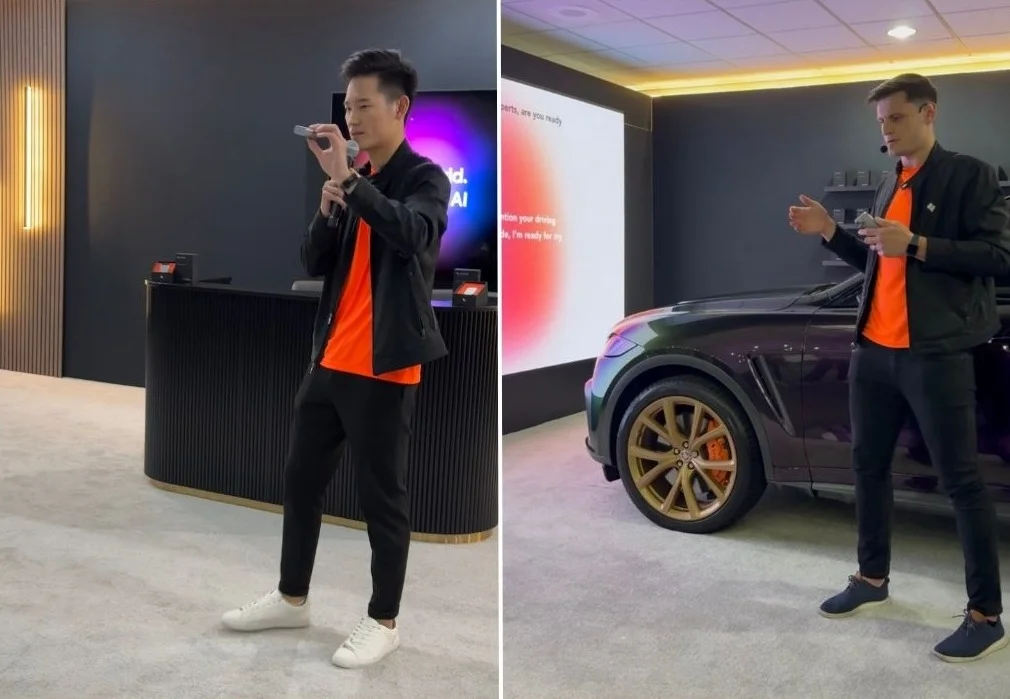
“You don’t need seven people to tell you what’s wrong with the car: artificial intelligence can do that for you,” he clarified.
Put simply: they found a problem in their own life that there was no fun solution for.
“My wife and I had a problem with our car, and what was supposed to be a simple thing turned into a nightmare,” Cobzaru told Supercar Blondie.
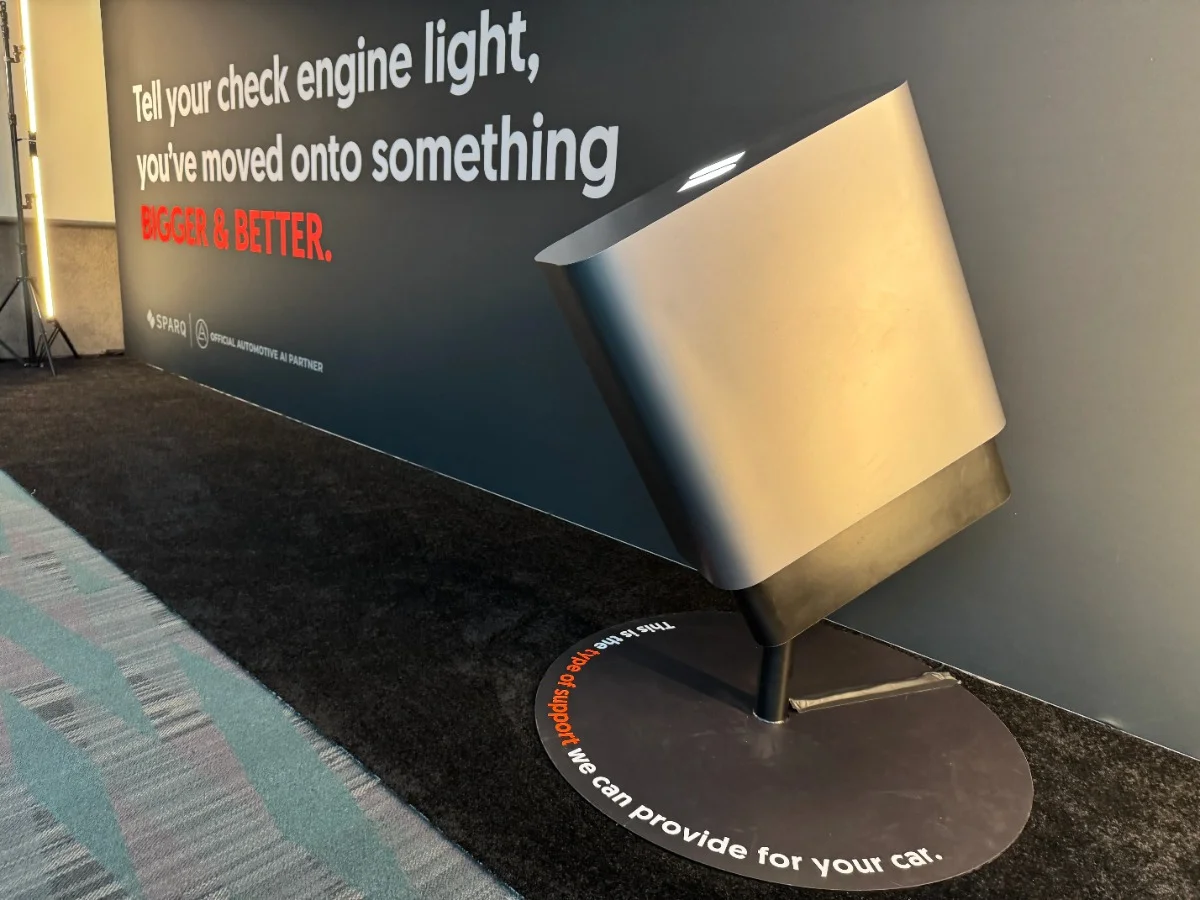
It wasn’t because the mechanical problem was serious, but because it seemed unnecessarily complicated to resolve the issue.
“We realized that the industry is fragmented,” Cobzaru lamented.
“The person who ‘diagnoses’ your car isn’t necessarily the same person who’s going to fix it.
“And sometimes there are even more people you have to talk to to translate what that means in terms of costs,” Cobzaru explained.
In short, you plug in the Sparq diagnostics tool into the car (all US-spec cars built after 2008 have the port you need for that), and let it do the hard work.
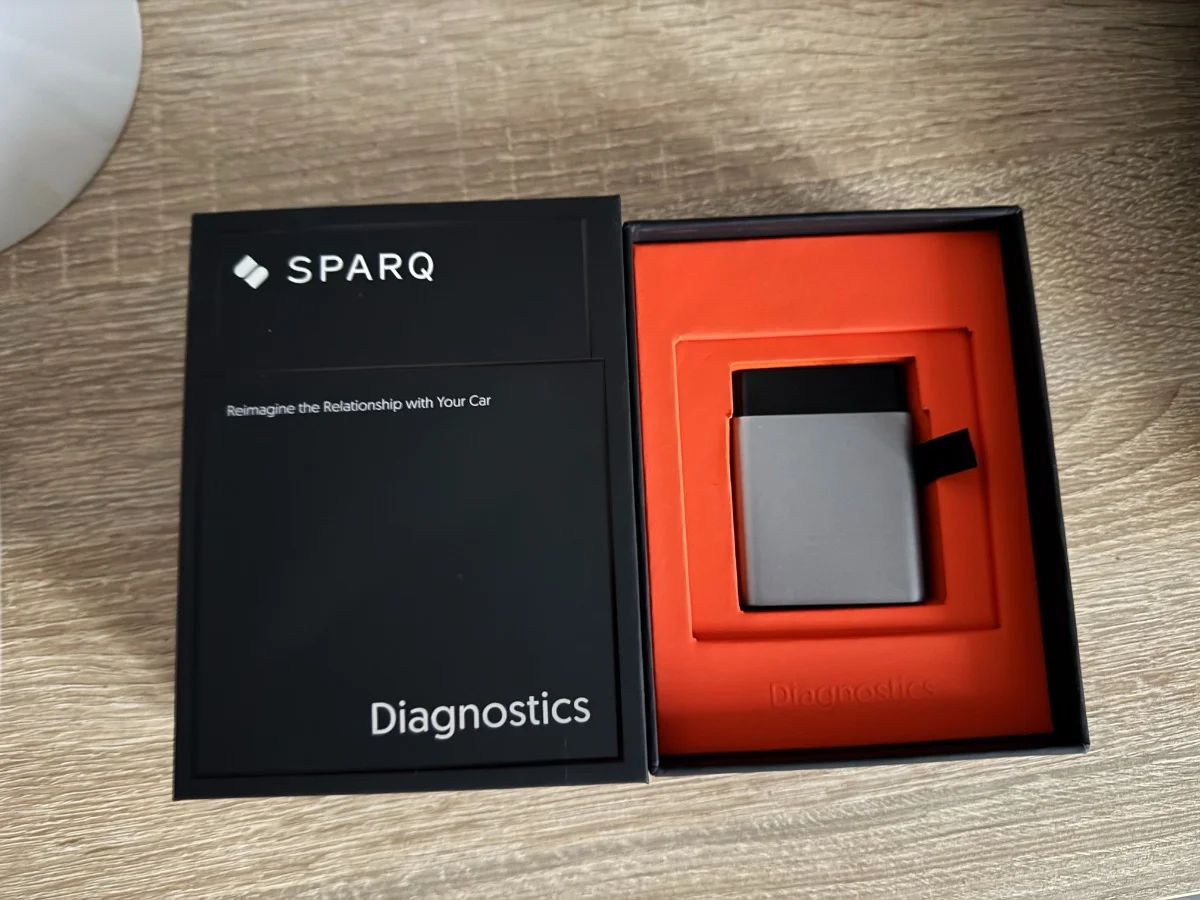
The AI will tell you what’s wrong with the car, what needs doing, and how much you can expect it to cost.
Despite starting out working on Android, their app only works on iOS.
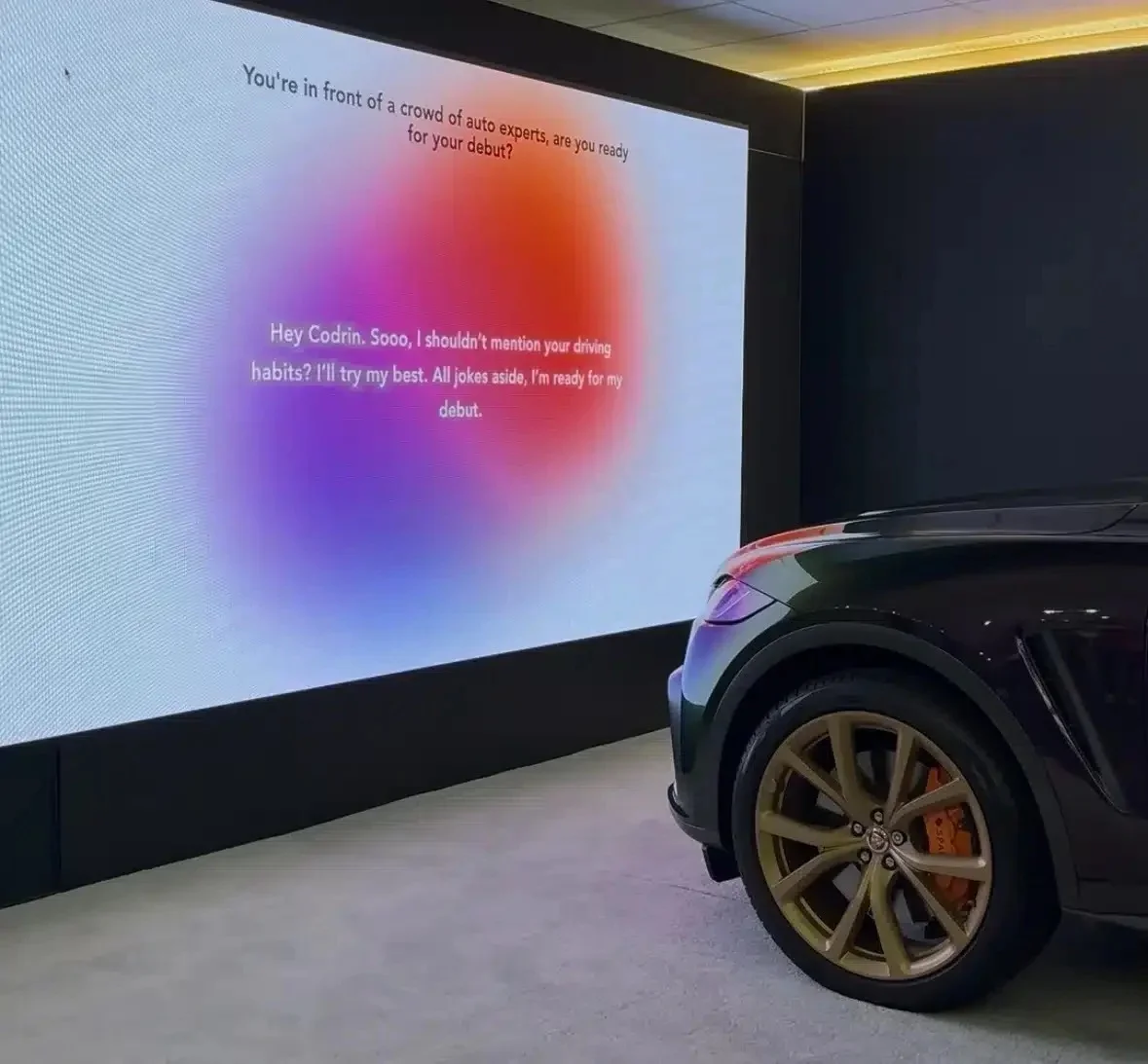
“We want to add support for Android in the future,” Nieh said.
“But then we transitioned to iOS because it’s more standardized.
With Android, you have so many different versions and screen sizes. With iOS, you only have iPhones and iPads, and so creating an app that works is easier,” Daniel admitted.
Cobzaru and Nieh further explained that only 2009 or newer cars are compatible due to a specific standard that was adopted that year.
“Between 2009 and 2009, the US adopted the CAN bus [controlled area network] standard, basically the internet of things for cars,” Nieh added.
“By 2009, all new cars were fully compatible with that, and that’s fully compatible with our diagnostics tool both at the hardware and software level,” he concluded.
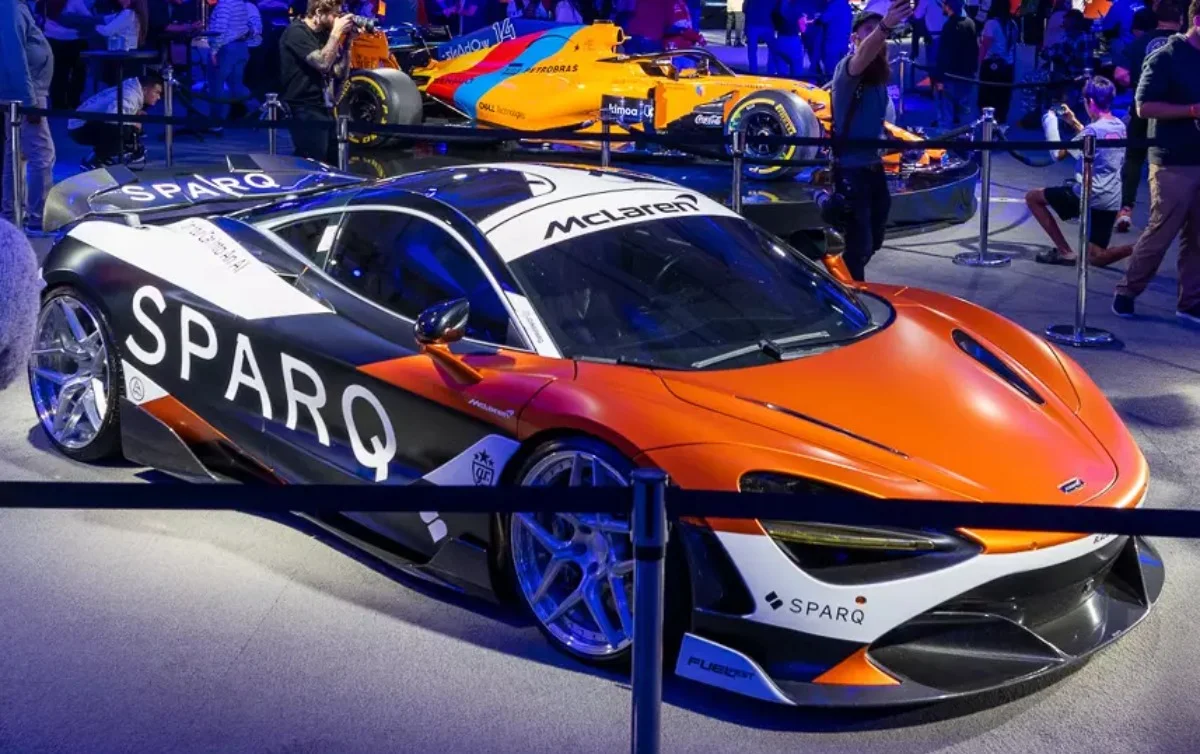
“We think that EVs will be a market, but they won’t be ‘the’ market,” Nieh prefaced.
But that’s not the only reason why gas cars and hybrids are their key demographic.
“Our tool is designed to identify problems with the engine.
“In an EV, most issues generally come from the battery pack, which is just as important as the motor, if not more,” he explained.
But both Nieh and Cobzaru are confident that their EV offering will grow.

“We’ve made a lot of progress, and we’re proud of that. But we also know we’re still nowhere near where we’d like to be, so that’s a priority,” Cobzaru said.
And that’s not all. While the current offering is reactive, they hope to stop problems from happening in the girst place.
“The next thing would be for AI startups to try and predict – and reduce – mechanical issues in the future by analyzing data and using this to predict what might go wrong,” Cobzaru added.
In some cases, potential mechanical issues can be easily predicted based on patterns.
A lot of car owners, for instance, often make (costly) oil-related mistakes.
Riding the brakes (resting your foot on the pedal unnecessarily) is another super common error.
As such, it should be easy to predict.
“If we can figure that out, that could save a lot of people a lot of money,” Cobzaru and Nieh agreed.
Now, that’s a business venture we can get on board with.
Search
RECENT PRESS RELEASES
Related Post