China’s Largest Solar Farm Is Doing A Lot More Than Generating Energy
December 30, 2025
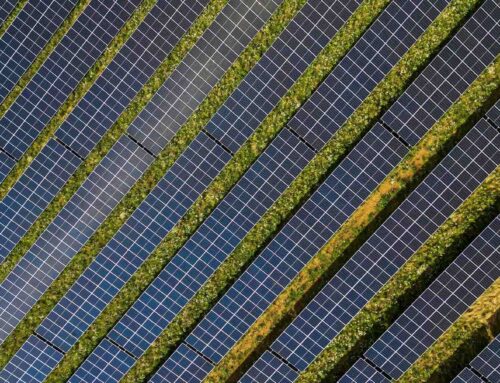
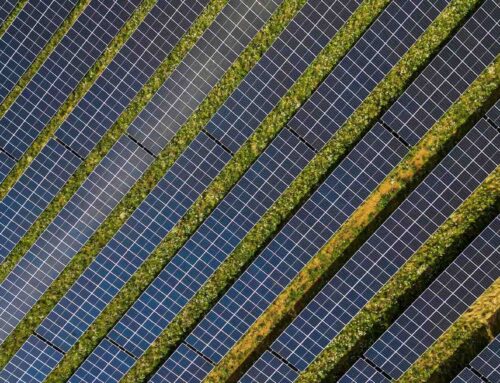
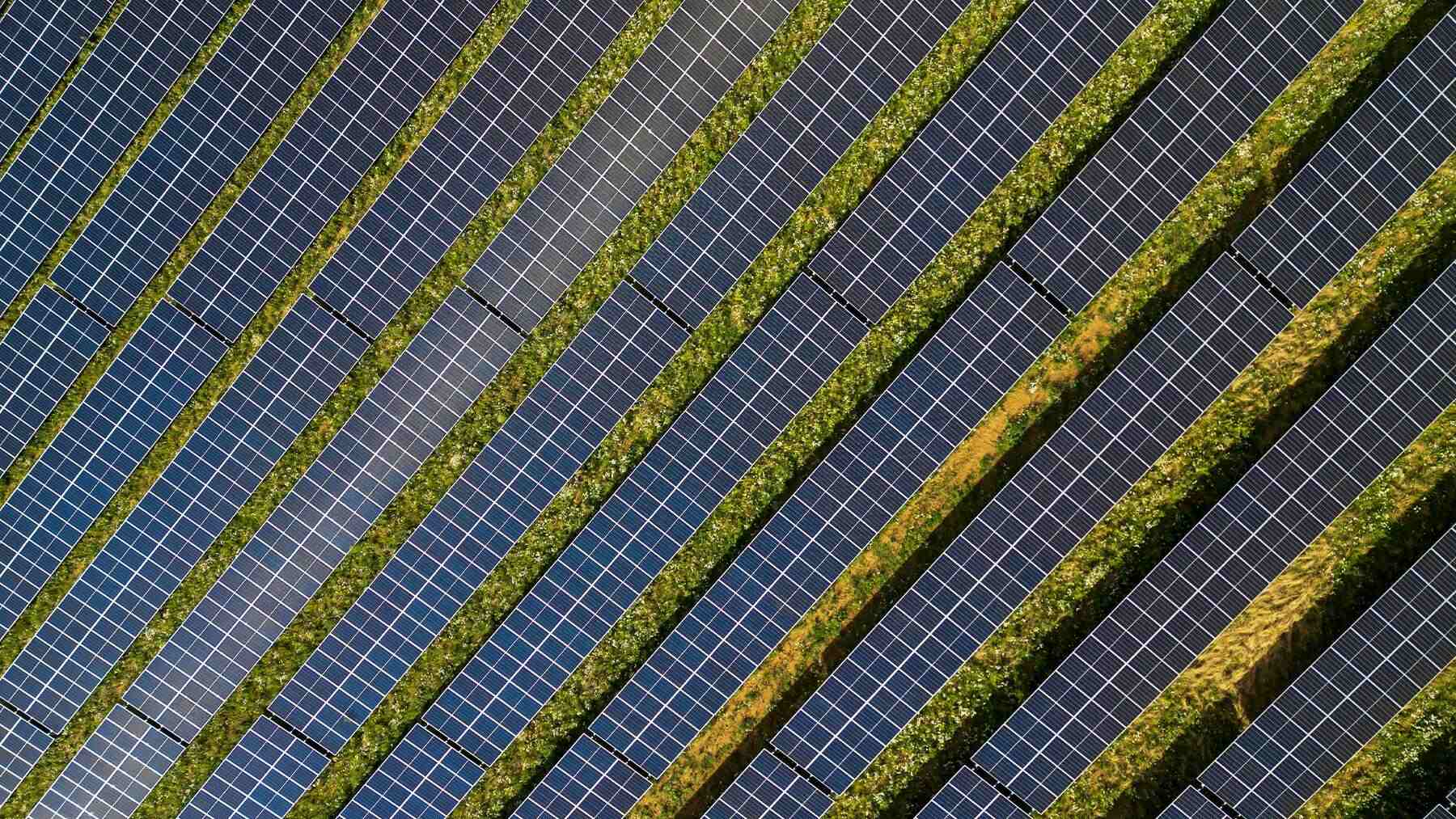
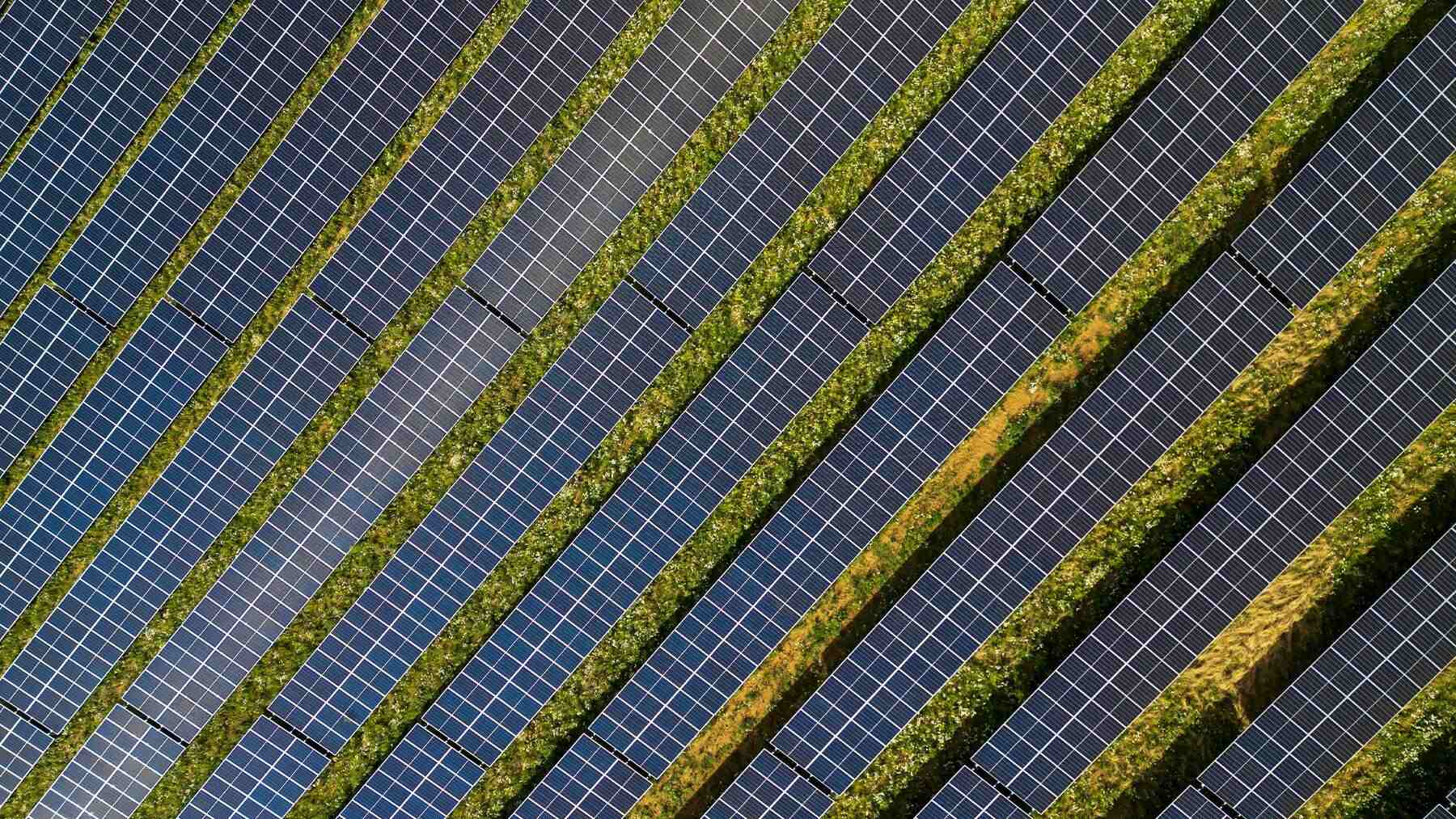
The world’s largest cluster of solar farms can be found in Qinghai, China, high on the remote Tibetan Plateau. It’s far bigger than the USA’s largest solar farm, and it’s one of several megaprojects that the Chinese government hopes will push the country towards a future where most of its electricity is produced from renewable resources. The Qinghai cluster can produce almost 17,000 megawatts of power, according to the New York Times, but it isn’t just a huge producer of energy.
A study published in the Nature journal also claims that the presence of miles of solar panels changes the desert environment around the farm, and actually helps improve the biodiversity of the surrounding area. The study analysed a wide range of environmental factors, including the nutrients in the soil around the solar farms, the range of plant and microbial species that lived there, and the humidity of the surrounding air.
Researchers found that the presence of the solar farm helped boost moisture levels in the soil, which in turn affected its structure. They suggested that the increased moisture could be due to the panels absorbing most of the Sun’s radiation, which led to the soil underneath losing less water through evaporation. The regular washing of the panels was also noted as a potential reason for the increased soil moisture content.
 Tpg/Getty Images
The improved condition of the soil helped a wider variety of microbes and plants live within the grounds of the solar farm than in the surrounding desert. It’s fresh evidence that, as well as helping to reduce greenhouse gas emissions by providing clean electricity, solar panels can also help the environment in more unexpected ways. The study also noted that the solar farm required local workers to operate, which helped boost jobs in an area where there were otherwise relatively few opportunities for employment.
China has an advantage when it comes to creating giant solar farms, since most of the world’s solar cell supply comes from Chinese manufacturers. It also has a huge domestic demand for electricity, particularly since it’s the world’s largest EV market by a significant margin. According to IEA, 17 million EVs were sold worldwide in 2024, and more than 11 million of those were sold in China. Around 10% of all cars on the road in China are electric, and to power them, the country will need to keep developing projects like the Qinghai solar farm cluster. If it keeps building them within its vast deserts, these farms will potentially have the bonus side effect of improving the quality of the environment around them, too.
Search
RECENT PRESS RELEASES
Related Post