Chinese EVs: The Affordable Alternative U.S. Buyers Can’t Have
April 12, 2026
Got story updates? Submit your updates here. ›
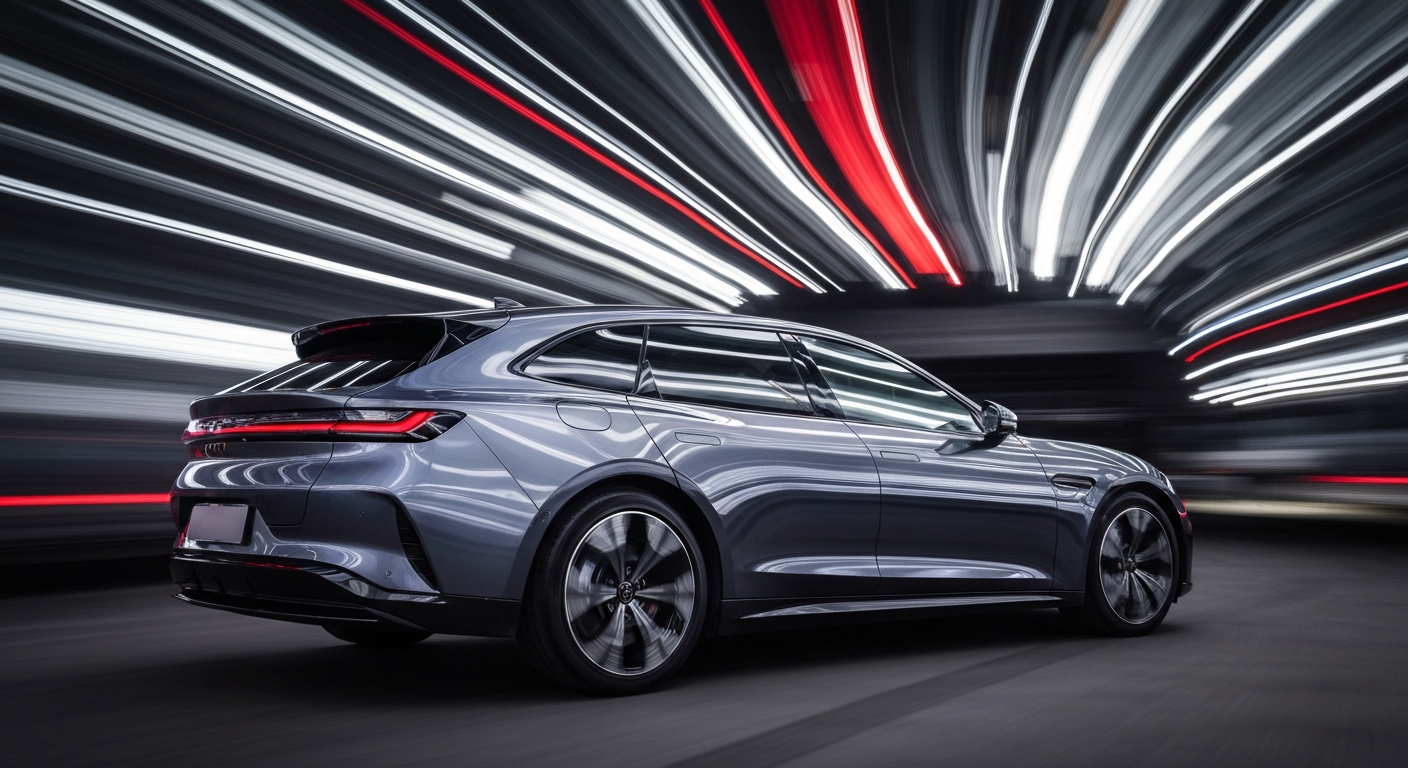 The promise of affordable, advanced Chinese electric vehicles sparks consumer curiosity, despite political barriers to their entry into the U.S. market.BaltimoreToday
The average cost of a new car in the U.S. is nearing $50,000, leaving many consumers yearning for more affordable options. Chinese automakers are offering electric vehicles with impressive features at prices under $30,000 in other markets, sparking curiosity among American buyers. However, political opposition and trade barriers have effectively kept these vehicles out of the U.S. market, despite a significant portion of consumers being open to the idea of Chinese auto brands entering the country.
Why it matters
This trend highlights a larger shift in consumer preferences and the evolving nature of the automotive industry. As the world transitions to electric vehicles, the question of affordability becomes increasingly important. Chinese automakers seem to have found a sweet spot, offering advanced technology at competitive prices, but their success in entering the U.S. market remains uncertain due to political and regulatory hurdles.
The details
Chinese EVs like the Zeekr 001 boast plush interiors, advanced driving assistance software, and a price tag under $30,000 – a stark contrast to the average $50,000 cost of new cars in the U.S. market. Consumers like Sooren Moosavy, a 28-year-old from Baltimore, are drawn to these vehicles due to their environmental benefits and smooth ride. However, major auto trade groups and politicians like Senator Bernie Moreno of Ohio are staunchly opposed to allowing Chinese automakers to set up shop in the U.S., citing concerns over competitiveness and protecting American jobs.
- In 2026, the average cost of a new car in the U.S. is inching closer to the $50,000 mark.
The players
Zeekr 001
A sleek electric vehicle from a Chinese automaker that boasts a plush interior and advanced driving assistance software at a price under $30,000.
Sooren Moosavy
A 28-year-old from Baltimore who is drawn to Chinese EVs due to their environmental benefits and smooth ride.
Senator Bernie Moreno
An Ohio politician who is staunchly opposed to allowing Chinese automakers to set up shop in the U.S., citing concerns over competitiveness and protecting American jobs.
What they’re saying
“We must not let Chinese automakers undermine American jobs and competitiveness.”
— Senator Bernie Moreno, Ohio Senator
“I’m motivated by environmental concerns and the promise of a smoother ride, and Chinese EVs seem to tick all the boxes.”
— Sooren Moosavy
What’s next
It remains to be seen whether Chinese automakers will be able to navigate the political and regulatory hurdles to enter the U.S. market, but their success in other regions suggests a potential paradigm shift in the global automotive landscape.
The takeaway
This trend highlights the changing dynamics of the automotive industry, as consumers seek more affordable electric vehicle options. While political opposition and trade barriers have kept Chinese EVs out of the U.S. market so far, the growing consumer curiosity suggests a potential disruption in the global automotive landscape.
Search
RECENT PRESS RELEASES
Related Post