Climate Change Forecasts for 2026: Critical Temperatures and Environmental Challenges in A
January 3, 2026
The climate change forecasts with global projections place the warming near the 1.5°C threshold, while the Argentine territory prepares for a climate of extremes and an intense debate over the protection of its water reserves.
The global outlook on climate change forecasts for 2026 indicates that this period will consolidate as one of the hottest on record.
According to meteorological models, there is a high probability that it will be the fourth consecutive year to exceed a 1.4°C increase compared to the pre-industrial era, with a specific estimate of 1.46°C.
This scenario places the planet in a position of extreme vulnerability against the 1.5°C limit established in the Paris Agreement, driven by the accumulation of greenhouse gases.
The meteorological scenario in Argentina for 2026
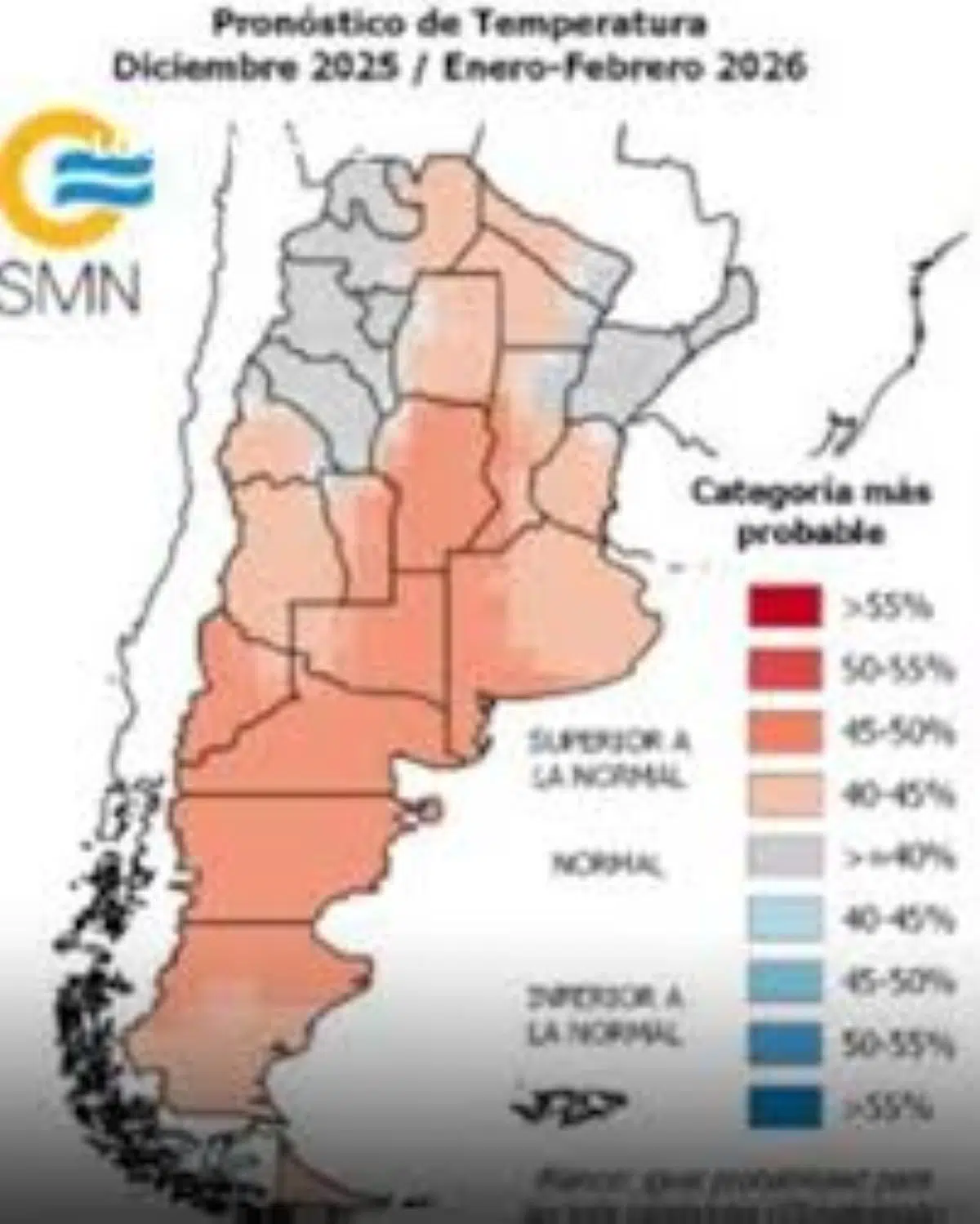
Locally, a marked polarization of climatic conditions is anticipated. During the summer cycle, drier and warmer summers are expected, with the occurrence of intense heat waves, especially during the month of January.
On the contrary, autumns could present early entries of polar air along with severe storms and frosts.
Maximiliano Vita, spokesperson for the National Meteorological Service (SMN), pointed out that the summer quarter will be influenced by the La Niña phenomenon. This meteorological condition would generate the following effects:
-
Precipitation deficit: A lack of rain is expected in various areas of the country.
-
Irregularity in the Northwest: Despite the general trend, in the Argentine northwest, rainfall could be above usual values.
-
Thermal anomalies: Temperatures above normal are projected in the province of Buenos Aires and the rest of Argentina.
Causes and trends of global warming
The current thermal increase does not represent a fortuitous event, but an acceleration of a trend that began at the beginning of the 21st century and deepened since 2023. Specialists emphasize that the critical threshold of 1.5 degrees is ceasing to be a statistical exception to become a recurring reality.
The scientific evidence confirms that human activities since the mid-19th century are responsible for trapping solar energy in the earth’s atmosphere, causing accelerated changes in the oceans and land. To mitigate this advance, it is required:
-
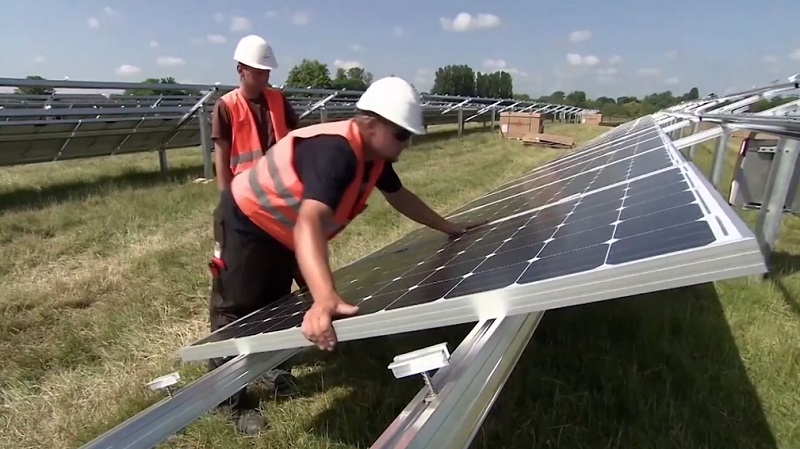
An urgent transition to renewable energies.
-
Substantial improvements in energy efficiency and sustainable transport.
-
Protection and restoration of natural ecosystems that act as carbon sinks.

The controversy over the Glacier Law
Argentina has a fundamental water heritage composed of more than 16,000 glaciers distributed in 39 basins of the Andes Mountain Range, essential for human consumption and agriculture.
Currently, these ecosystems are protected by Law 26.639, which defines them as strategic reserves.
However, the government of President Javier Milei has promoted a reform project to deregulate the protection of the periglacial environment. The objective of this initiative is to enable mining activity in previously protected areas, under the argument of promoting provincial development.
This proposal has generated strong rejection from environmental sectors, who warn about the imminent risk to national water security. The project has already been sent to Congress for discussion in extraordinary sessions.
A future conditioned by present actions
The long-term consequences of climate change include rising sea levels, extreme climatic events such as droughts and floods, and severe repercussions on food security and public health.
The decisions made today will determine whether global warming can be kept under control or if migratory displacements and economic crises will intensify.
By: Cristian Frers: Senior Technician in Environmental Management and Senior Technician in Social Communication (Journalist)
Search
RECENT PRESS RELEASES
Related Post