Climate change impacts, risks and adaptation
January 19, 2026
Climate change is already impacting Europeans’ daily lives and will continue to do so for the foreseeable future. Europe is expected to get warmer, some regions getting drier, while others wetter. These changes will not only impact our health but also the ecosystems we depend on. The EU is preparing to live with a changing climate through various adaptation measures.
Europe is not prepared for rapidly growing climate risks
Europe is the fastest warming continent in the world, and climate risks are threatening its energy and food security, ecosystems, infrastructure, water resources, financial stability, and people’s health.
Extreme heat, drought, wildfires, and flooding, as experienced in recent years, will worsen in Europe even under optimistic global warming scenarios and affect living conditions throughout the continent. The EEA has published the first ever European Climate Risk Assessment (EUCRA) to help identify policy priorities for climate change adaptation and for climate-sensitive sectors.
According to our assessment, many of these risks have already reached critical levels and could become catastrophic without urgent and decisive action.
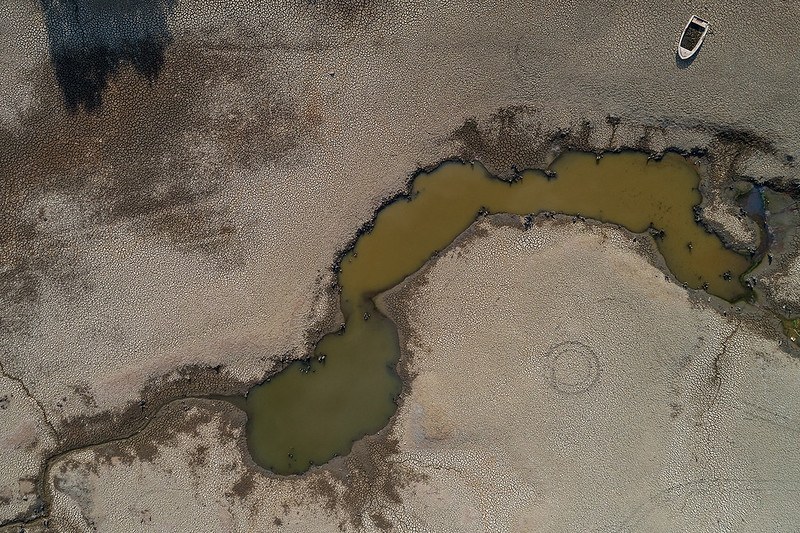
Igor Popovic, Climate Change PIX /EEA
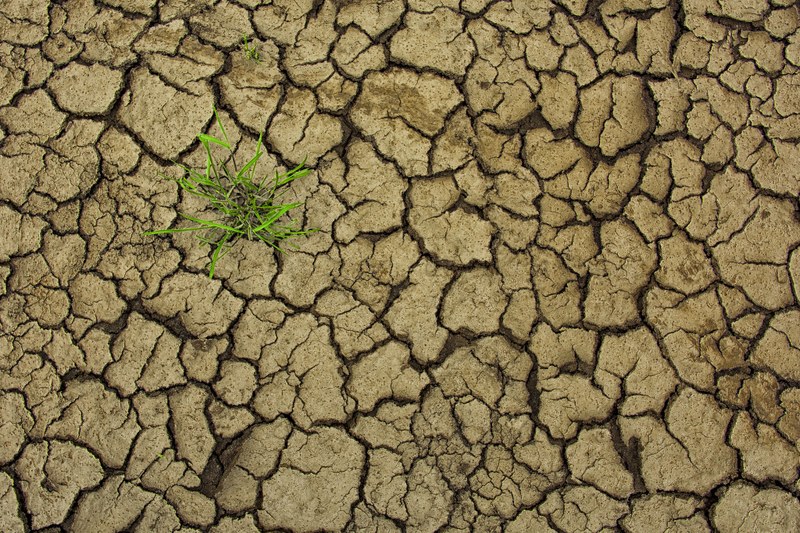
Orhan Kartal, Climate Change PIX /EEA
How are extreme weather events influencing adaptation policies?
Climate-proofing the agriculture, energy and transport sectors should not only be seen as a cost, but also as an investment that can prevent billions of euros in losses from increasingly frequent floods, droughts, heatwaves and wildfires.
‘Making agriculture, energy and transport climate resilient’ shows how such investment can deliver a triple dividend: reducing losses, saving lives and protecting people, while also unlocking economic potential, including job creation and improved competitiveness.
Climate-ADAPT platform: Sharing adaptation knowledge for a climate-resilient Europe
ImageIgor Popovic, Climate Change PIX /EEA
Climate resilience must “leave no one behind”
As climate change impacts intensify across Europe, society must become better prepared — but everyone must be included. A new EEA report shows that vulnerable groups like the elderly, children, low-income households and people with disabilities, are most at risk and often do not benefit fairly from climate adaptation efforts.
The report urges all levels of government to put social justice at the heart of climate adaptation, with clear actions to build a resilient and inclusive Europe.
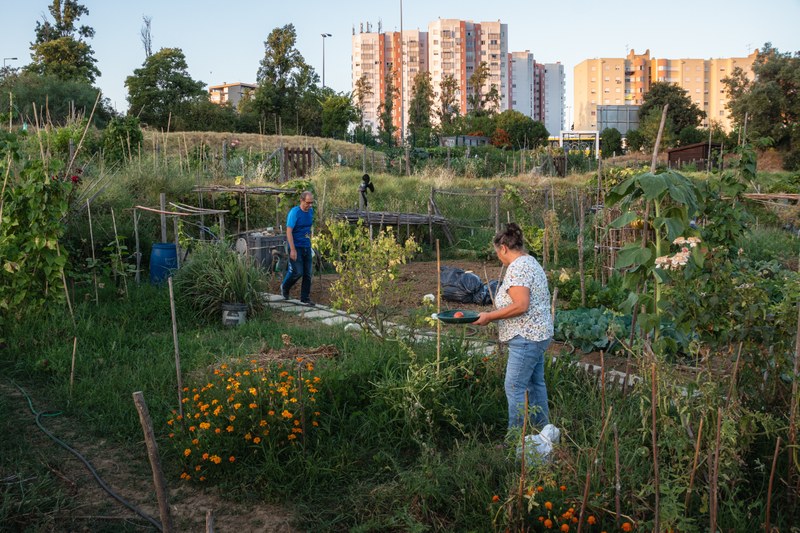
João Clemente, Urban Treasures / EEA
Cities are key to a climate-resilient Europe
The EEA report ‘Urban adaptation in Europe’ highlights the urgent need to adapt European cities to climate change and provides an overview of actions they are taking.
As European cities increasingly feel the impacts of climate change, such as heatwaves and floods, there is a clear case for investing in urban societal resilience, the EEA report states. Cities have an essential role in the implementation of adaptation actions.
European cities are adapting to climate change through a wide range of effective actions, including urban planning and building codes, economic incentives and insurance, early-warning systems and information campaigns. Emerging areas of opportunity for adaptation include promoting urban agriculture, creating more liveable public spaces and protecting cultural heritage.
They are also increasingly implementing nature-based solutions, which are included in 91% of local adaptation plans analysed in the report.
What are cities doing to adapt?
The Climate-ADAPT platform, which is maintained by the EEA, targets governmental decision-makers as well as the organisations supporting them in the development, implementation, and evaluation of climate change adaptation strategies, plans and actions at all governance levels in Europe. The platform currently includes 134 case studies for learning and to inspire action.
According to the new EEA briefing ‘Preparing society for climate risks in Europe — lessons and inspiration from Climate-ADAPT case studies’, the recently published European Climate Risk Assessment (EUCRA) stressed the need to scale up adaptation measures and actions across all policy sectors and governance levels to address escalating climate risks like extreme heat, drought, wildfires and flooding.
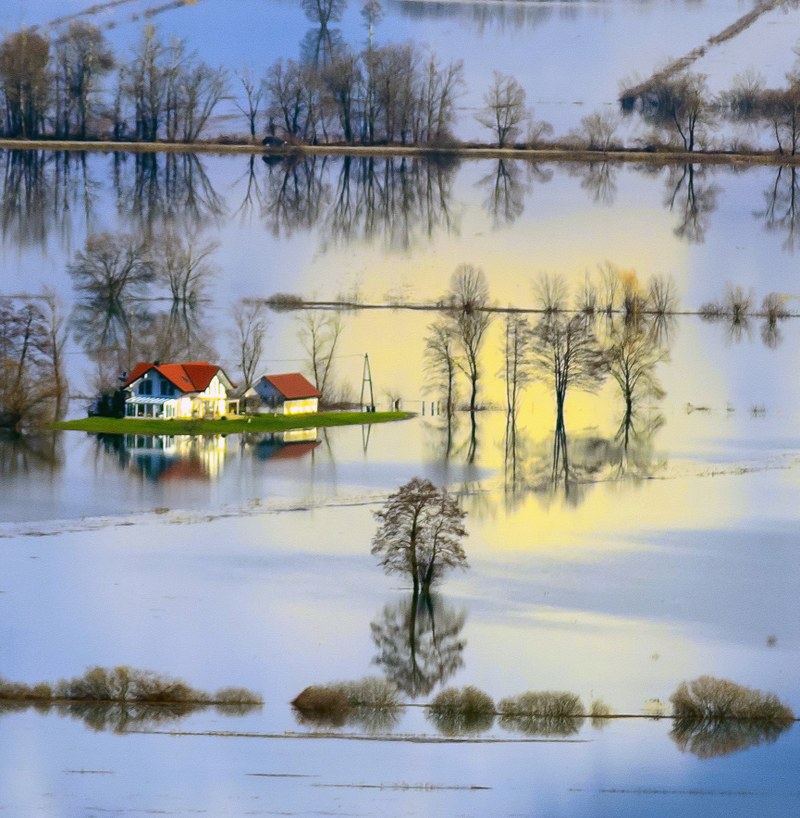
Janez Zalaznik, WaterPIX /EEA
Other topics you might be interested in:
External links:
Search
RECENT PRESS RELEASES
Related Post