‘Climate change is here’: Experts warn global crisis is decades ahead of forecasts
January 17, 2026
Melting glaciers, coastal areas wiped off the map and regular 40C heat in Europe. Climate experts warn the gloomy predictions of long term environmental change are no longer the future – they are already here.
Last year was the third hottest on record, with the World Meteorological Organization this week warning that 2025 continued a run of “extraordinary” global temperatures. The EU has said the Paris climate agreement of 1.5C could be broken before 2030, a decade sooner than expected.
“It is alarming because we are seeing the types of events that scientists didn’t consider would impact us in 2025 or this decade,” Samantha Burgess, deputy director of Europe’s Copernicus Climate Change Service, tells The Independent.
“Climate change is here. We are seeing event classes [today] that were forecast in climate models for the 2050s, 2060s, and 2070s.”
Data released last month showed the world’s oceans absorbed more heat in 2025 than in any year since modern records began, according to a major international analysis.
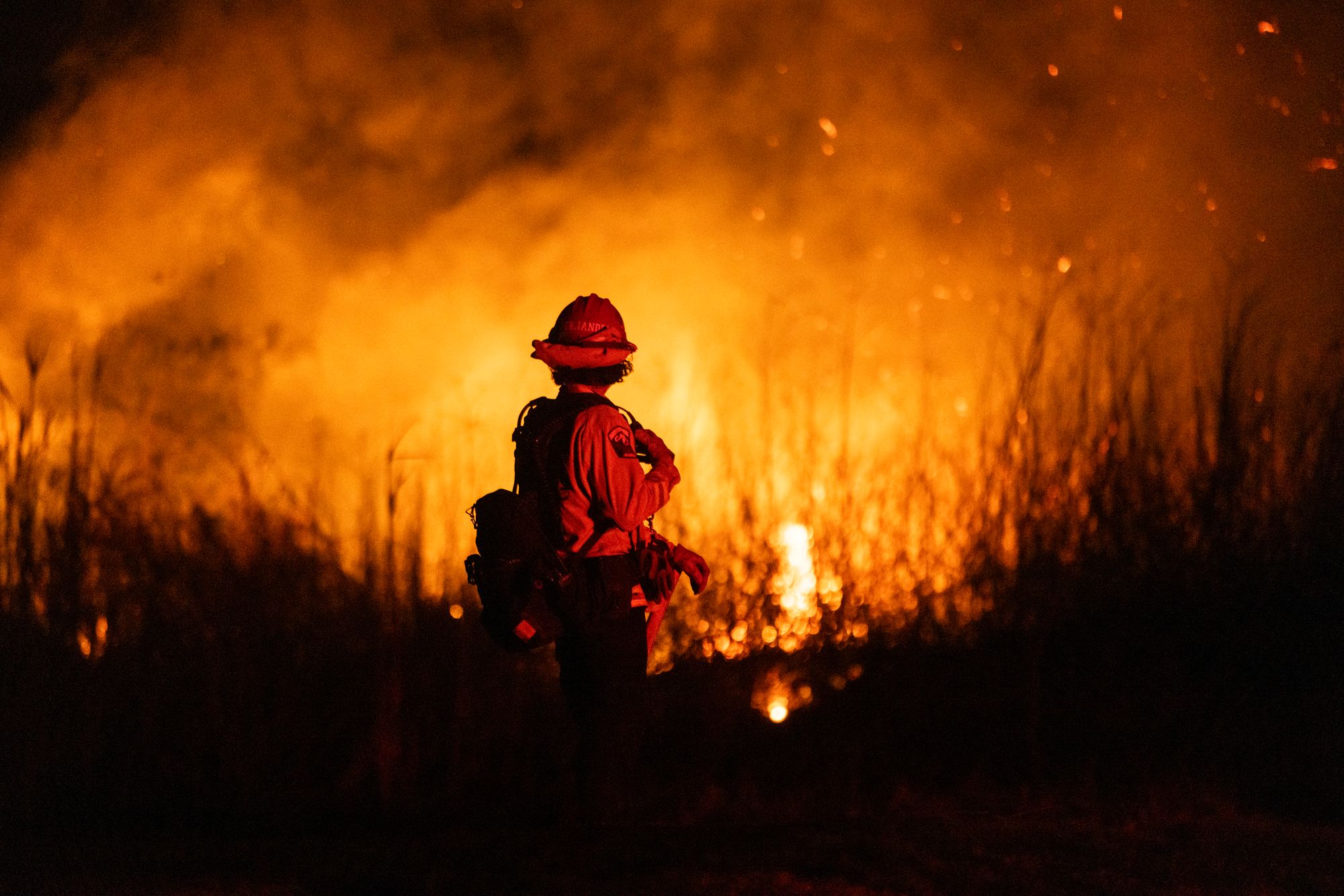
The start of 2025 saw the catastrophic devastation caused by the California wildfires, killing up to 440 people and inflicting unprecedented economic losses in excess of $40bn, according to Swiss Re.
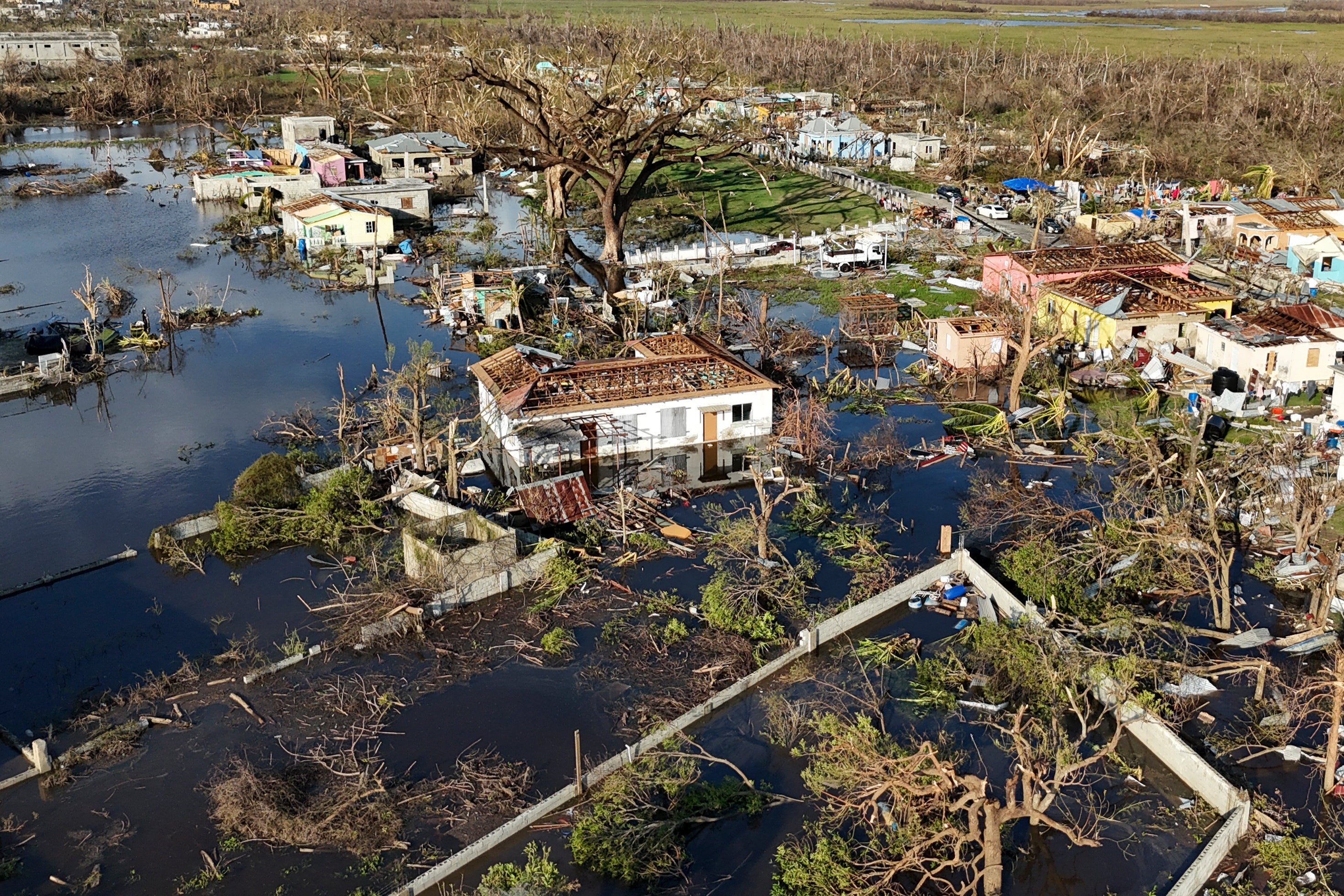
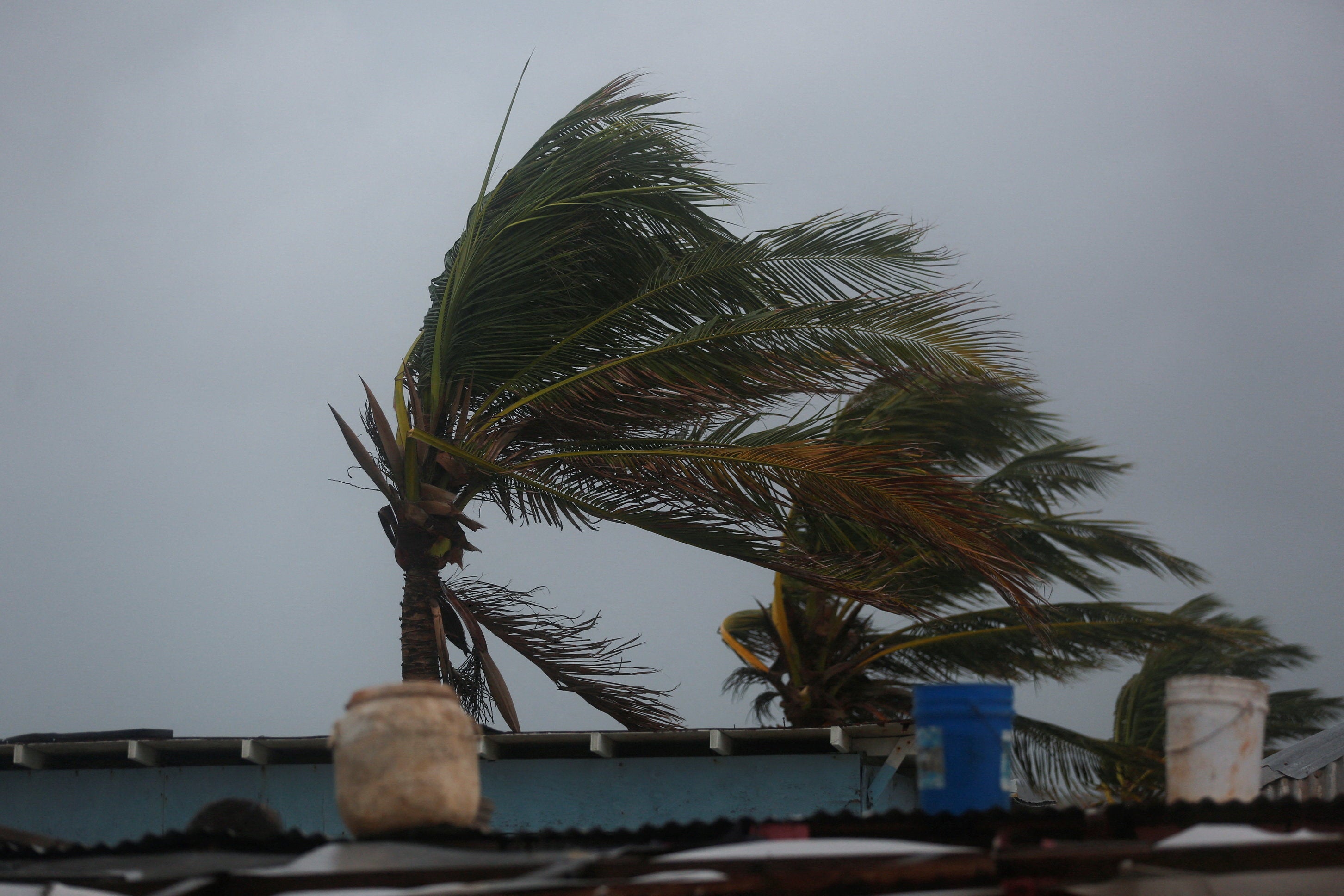
It was an above average year for hurricane activity with three category 5 hurricanes in the North Atlantic for the first time in twenty years. That includes the historic Hurricane Melissa, setting records for being one of the strongest storms in the Atlantic this century.
The slow-moving storm underwent rapid intensification due to warmer seas caused by climate change, leaving very little time for the Caribbean to respond.
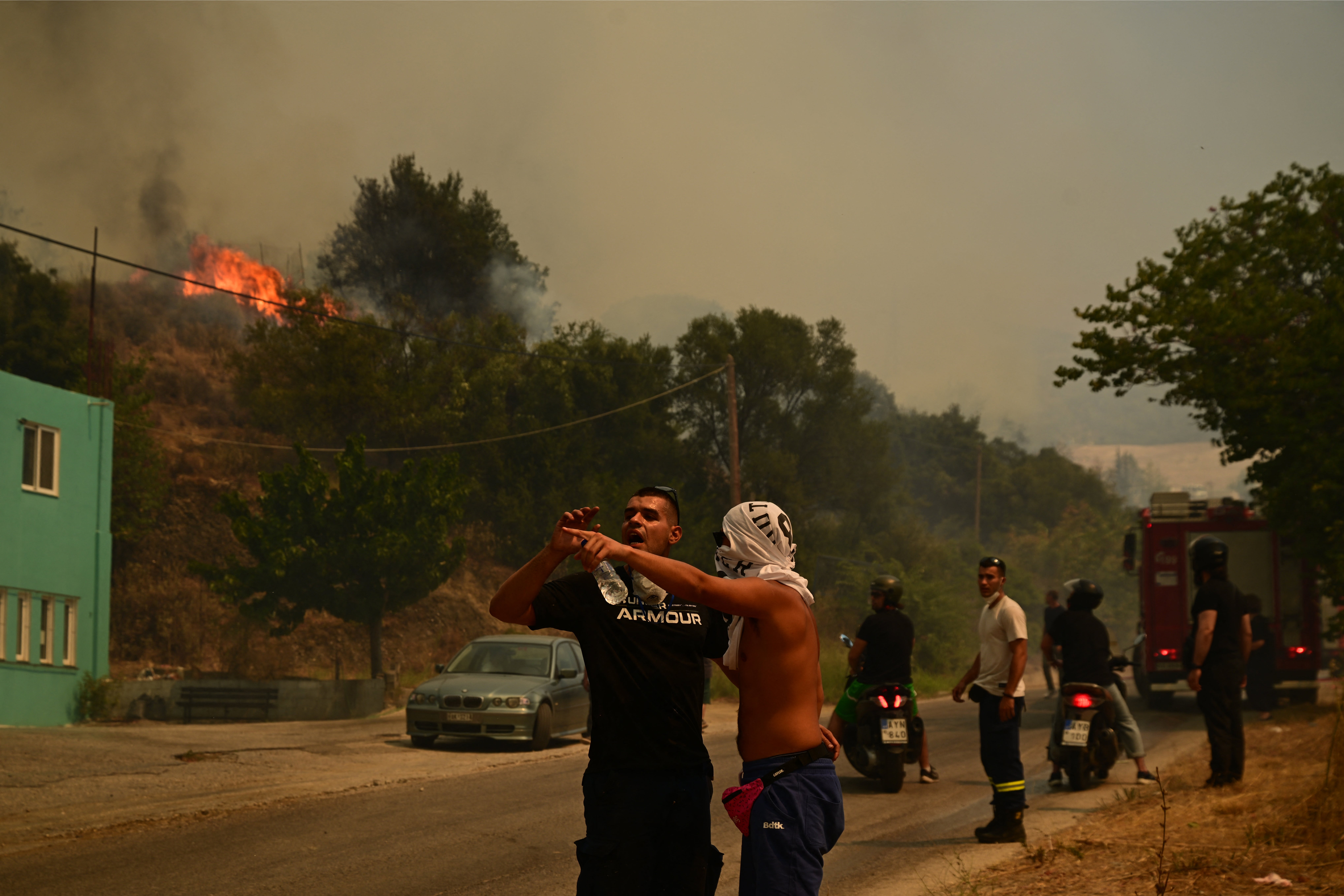
Climate change tripled heat-related deaths caused by heat waves across Europe, according to research by the Grantham Institute. Fossil fuels increased temperatures by up to 4 degrees celsius across affected cities.
About 1,500 of the 2,300 (65 per cent) estimated heat deaths are a direct result of climate change caused by the burning of fossil fuels.
Data in regions of the Global South are severely under-reported due to lack of resources but are expected to be just as damning. At least 1,037 people were killed in flash floods in Pakistan.
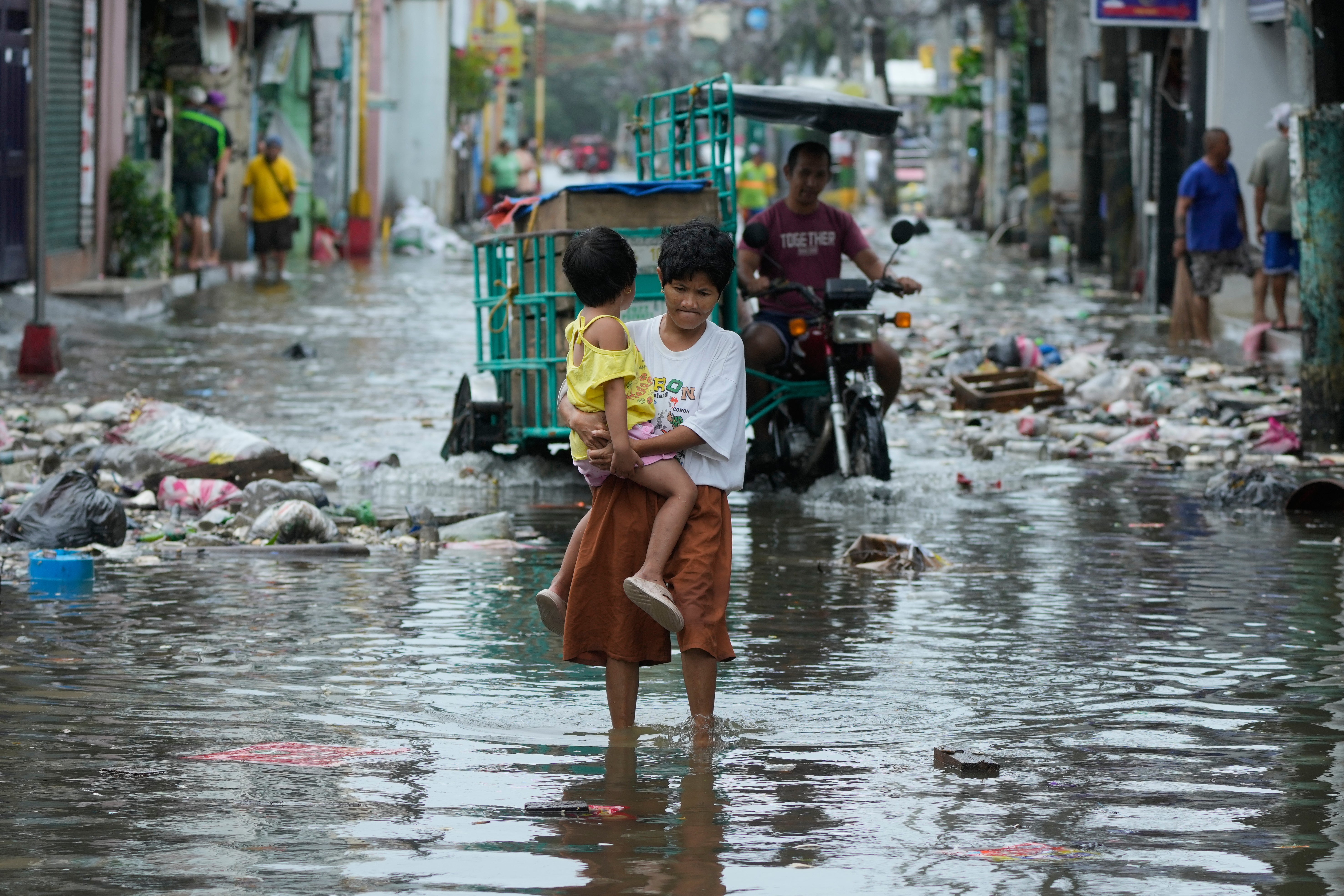
A total of 78 million people were affected by climate-related natural disasters according to data by EMDAT that excluded non-climate fuelled incidents including earthquakes, volcanoes and tornadoes. These include 11, 930 dead and over 35,000 injured.
“There are also major humanitarian crises that rarely make the headlines but are affecting millions of people,” says Scott Craig, a spokesperson for the International Federation of the Red Cross.
“In Kenya, millions are experiencing the worst climate-related drought in decades. Somalia is facing a similar crisis. Both are severely underfunded. These forgotten crises can be difficult to draw attention to, but the needs are no less urgent.”
Yet this still marks a comparative “quiet year” in terms of financial losses, according to Swiss Re who have been monitoring trends in economic losses caused by natural disasters over the last decade.
They report average economic losses between 2015 to 2024 were $267bn. Last year, they reached a colossal $327bn. In 2025 they are a more modest $220bn. But the reality is more complicated.
“It was not a peak peril year,” says Balz Grollimund, head of catastrophe perils at Swiss Re. “We haven’t had any big hurricane, flood, or earthquake losses, but 2025 still made it to an average loss year.
“From that perspective it’s been a very quiet year fortunately, and yet 2025 is still close to the 10-year average.”
A long-term increase in awareness and building resilience to disasters is gradually reducing the “protection gap” – the portion of losses out of the total loss. In 2025, almost half (49 per cent) of losses were insured.
“These are exceptional times,” says Burgess. “These are exceptional climate conditions.”
The Red Cross added: “We’re seeing humanitarian needs rising to unprecedented levels, driven in part by more frequent and more intense climate-related events such as floods, droughts and wildfires. These shocks are often hitting communities that are already vulnerable, so it becomes disaster layered on top of disaster.
“The long-term consequences go far beyond the initial emergency. The challenge is not only how we help people in the immediate aftermath, but how we strengthen communities over time.”
Search
RECENT PRESS RELEASES
Related Post