Deforestation in Brazil’s Amazon down 17% in Q1
April 27, 2026
Deforestation in the Brazilian Amazon fell 17% in the first quarter from a year earlier, according to data released by Amazon Institute of People and the Environment.
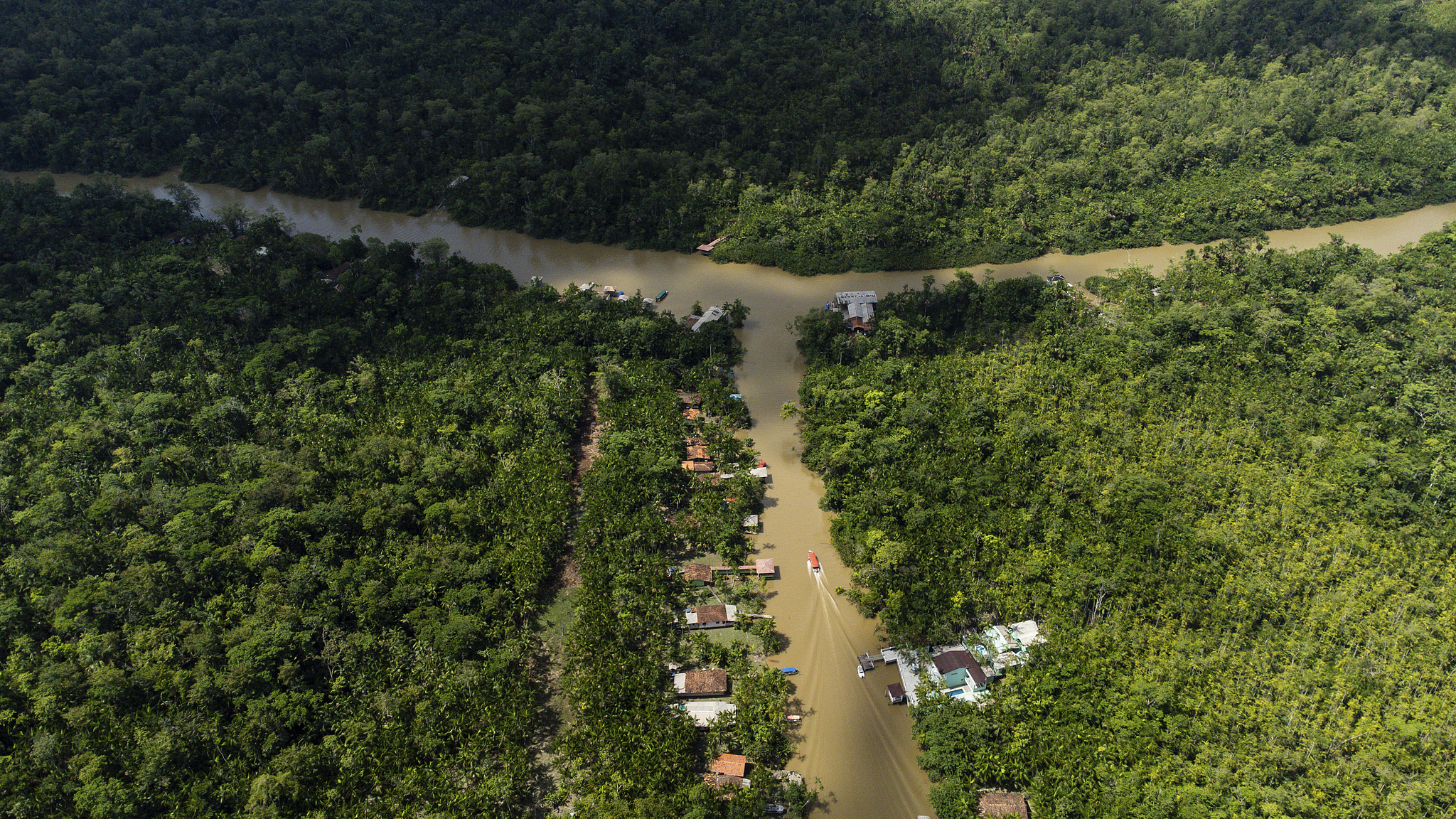
A view of the Guama River and Combu Island in the Amazon rainforest in Belem, Brazil, Para state, August 7, 2023. /VCG
A view of the Guama River and Combu Island in the Amazon rainforest in Belem, Brazil, Para state, August 7, 2023. /VCG
From January to March, the deforested area declined from 419 to 348 square kilometers – roughly 7,000 soccer fields.
The drop is even more pronounced under the region’s “deforestation calendar,” which runs from August to July to account for seasonal rainfall. Between August 2025 and March 2026, deforestation decreased 36%, from 2,296 to 1,460 square kilometers – the lowest level for this period since 2017.
Despite the overall decline, March saw a 17% year-on-year increase, with deforestation rising from 167 to 196 square kilometers. Researchers flagged this spike as a warning sign, urging stronger enforcement against illegal logging, tighter monitoring, tougher penalties, and expanded bioeconomy initiatives to support sustainable forest use.
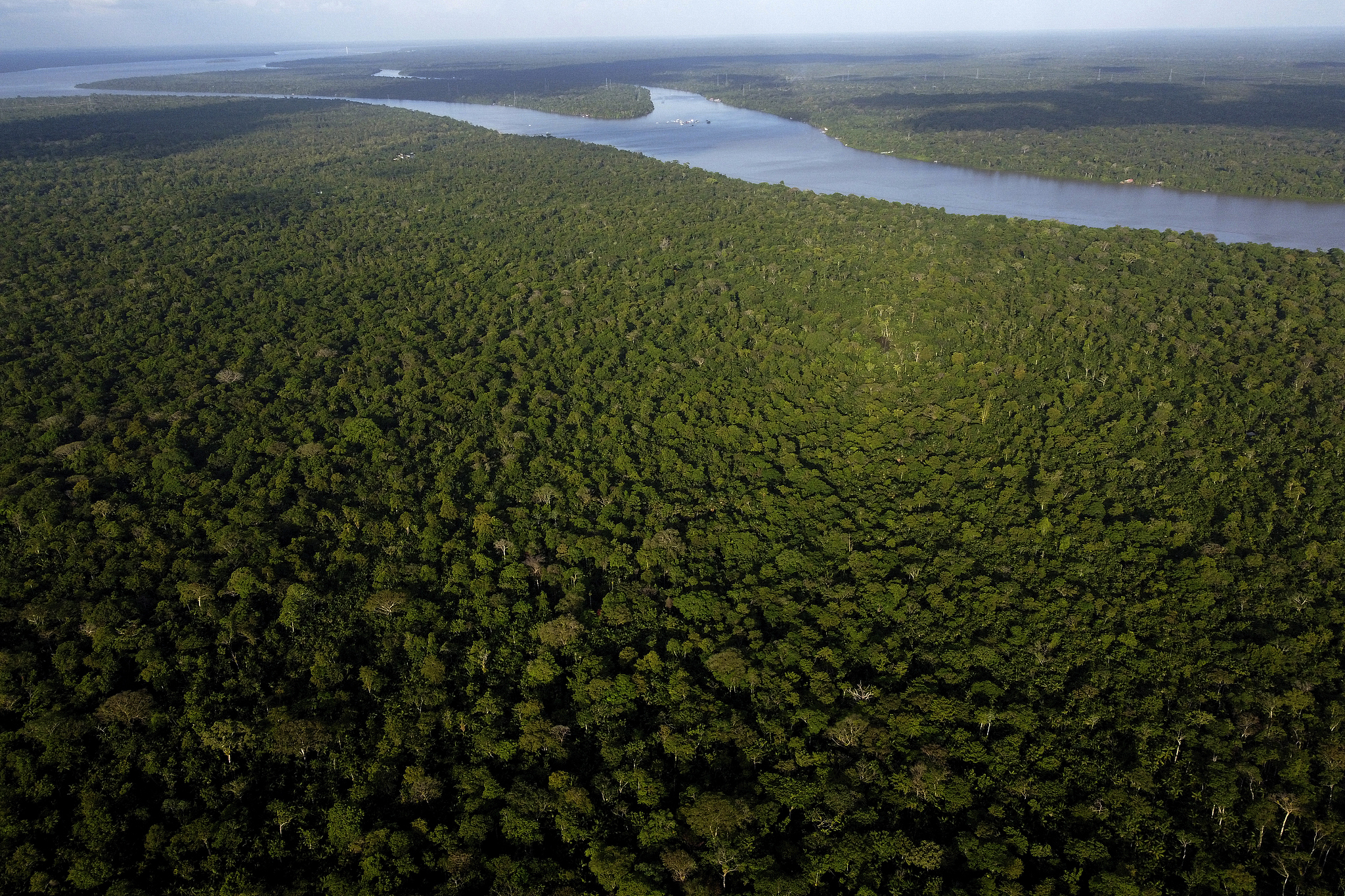
A view of the forest in Combu Island on the banks of the Guama River, near the city of Belem, Para state, Brazil, August 6, 2023. /VCG
A view of the forest in Combu Island on the banks of the Guama River, near the city of Belem, Para state, Brazil, August 6, 2023. /VCG
The report underscores that deforestation accelerates climate change by increasing greenhouse gas emissions and reducing biodiversity, highlighting the global importance of protecting the Amazon.
Forest degradation – partial damage from fires or logging – also showed improvement. In March 2026, degraded area totaled 11 square kilometers, down 95% from a year earlier and the lowest March level since 2014.
Experts caution that degradation still weakens ecosystems and heightens future risks and that while recent data signals progress, sustained vigilance and stronger environmental policies remain essential to protect the world’s largest tropical rainforest.
Source(s): Xinhua News Agency
Search
RECENT PRESS RELEASES
Related Post