Dem-leaning group roasts NY’s green energy law as an ‘undeniable’…
December 1, 2025
It’s been one big, green goof.
The Empire State’s green energy push has been a pie-in-the-sky bust as politicians hit the brakes on their alternate energy goals — and New Yorkers get sticker shock from ever-soaring utility bills, a scathing new report found.
The analysis by the Democratic-leaning think tank the Progressive Policy Institute found a “clear and undeniable pattern of failure” across the most critical mandates of the 2019 Climate Leadership and Community Act.


“New York set bold climate targets, but ignored the economic and technical realities required to achieve them,” said PPI’s report author Neel Brown.
“The result is an energy system that is less reliable, more expensive, and now politically unsustainable. Unless policymakers course correct, the state risks turning a climate leadership story into a cautionary tale,” he added.
Key findings from the report:
- Electricity prices are 44% higher than the national average, and residential rates have risen 36% since 2019, nearly three times faster than the rest of the country. New Yorkers pay 24.4 cents per killowatt hour, compared to 16.5 cents on the US average, the report showed.
- Utilities are pursuing additional rate hikes of roughly 20%, driven by aging infrastructure, storm repairs and rising operating costs, adding further pressure on households already facing higher energy bills.
- New York is behind on nearly every major climate mandate, including offshore wind, which is 1% operational, and energy storage, which is 8% operational toward 2030 goals. Only solar power is on track.
- Fossil fuels still supply nearly half of New York’s electricity, and the “premature” closure of Indian Point nuclear power plant in Westchester — a major supplier of zero-emissions energy to the Big Apple — slowed the state’s progress for clean energy.
In sum, the report said, the timelines for the green energy mandates are impractical.
The state’s green energy law set a lofty goal of 100% zero-emission electricity by 2040 and 70% “renewable,” non-fossil fuel energy by 2030. The law also promised to reduce gas emissions from 1990 levels by 40% and 85% by 2030 and 2050, respectively.
But replacing natural gas with less predictable options like solar and wind has been a struggle — and the grid has grown less reliable as demand for energy surges and the state’s aging utility infrastructure is increasingly taxed.
With the sole exception of solar, New York is way behind its targets under the law, which was championed by former Gov. Andrew Cuomo and pushed until recently by his lieutenant governor and successor, Gov. Kathy Hochul.
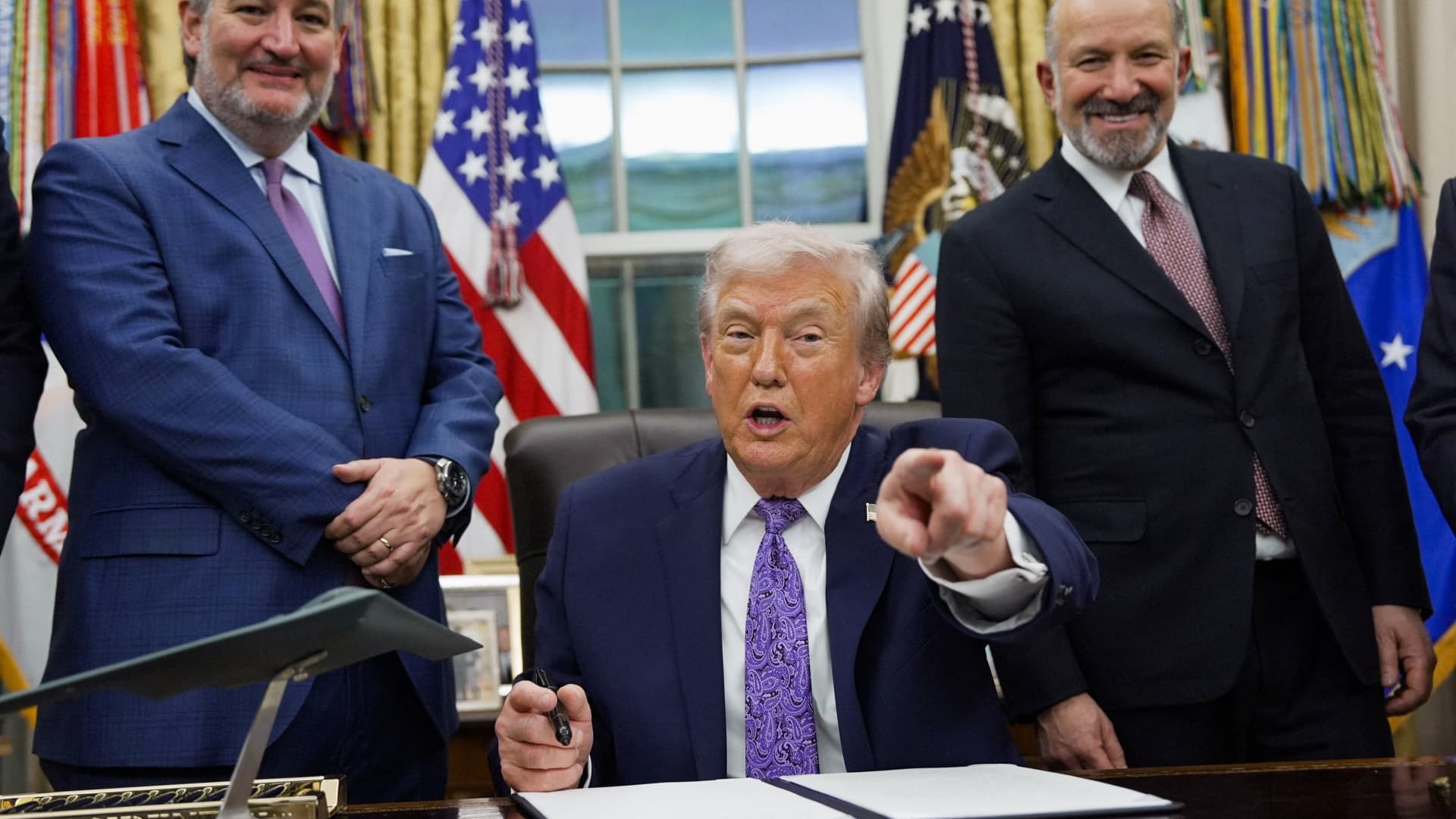
Hochul, who is up for re-election next year, has put some of the mandates on the backburner — leaving her open to charges from the environmental left who support green energy and the political right of flip-flopping.
Her administration recently revealed it was stalling the implementation of the All-Electric Buildings Act that includes a controversial ban on installing gas stoves in newly built homes.

The law was supposed to start in January for new buildings up to seven stories, and then for all other buildings in 2029.
A top Hochul aide said the governor has slowed down implementation because of cost concerns.
“Under Governor Hochul’s leadership, New York continues to be a national clean energy leader. With Washington Republicans waging war against renewable energy projects, the lingering effects of post-pandemic inflation and the President’s ill-conceived tariffs driving costs up, the governor has prioritized an all-of-the-above approach to energy that is designed to increase supply to keep the lights and heat on and rates down for New Yorkers across the state,” said Ken Lovett, her senior communications advisor on energy and environment.
Hochul back in July said, “I had to take a closer look and realize we cannot reach those objectives there were, back before I became governor, in a time frame that’s going to not hurt ratepayers, so we’re slowing things down. I want to make sure people know that.
But upstate Rep. Elise Stefanik, a Republican looking to unseat Hochul as governor, pounced.

“Kathy Hochul and single-party Democrat rule have caused the affordability crisis with New York families paying the highest energy and utility prices in the nation,” Stefanik told The Post Sunday.
” And ahead of the election year, Kathy Hochul is desperately lying to voters with a politically cynical ‘pause’ on her natural gas ban when she has every intention of implementing it after Election Day, which will cause a further skyrocketing of energy prices for New Yorkers. New Yorkers of all political parties will vote her out this November,” added Stefanik.
Justin Wilcox, executive director of the pro-business, taxpayers group Upstate United said, “The findings in PPI’s report underscore a hard truth: New York’s current climate strategy isn’t delivering for families, businesses, or the grid.
“Lawmakers need to come together immediately to reform the law in a practical, collaborative way that addresses the economic and energy realities New Yorkers face. Time is running out — New Yorkers can’t afford another year of inaction.”
The findings come as New Yorkers brace to dish out even more greenbacks to local utilities.
Con Edison is planning to hit customers in the city and Westchester County with increase of 2.8% on the average electric bill — and 2% hikes on gas over the next three years, according to filings with the state’s utilities regulator, the Public Service Commission.
A typical New Yorker already pays $103.13 a month in electric bills and could see their bills grow to $114.20 by 2028 — or almost $133 more compared to 2025.
In Westchester, residential customers who already dish out $146.27 per month would see their bills jump to $161.43 over the next three years — or $181.92 more a year.
Gas heating customers using 100 therms and now paying $242.38 would see their monthly bills rise to $282.51 in 2028 — an increase of $481.56 from 2025.
The report notes that New York issues less energy per resident because of its dense population and heavy use of mass transit that generates less petroleum spewing polluting carbon emissions.
Still, state policies are driving a projected surge in electricity demand, placing further strain on an already tight supply.
.


Search
RECENT PRESS RELEASES
Related Post