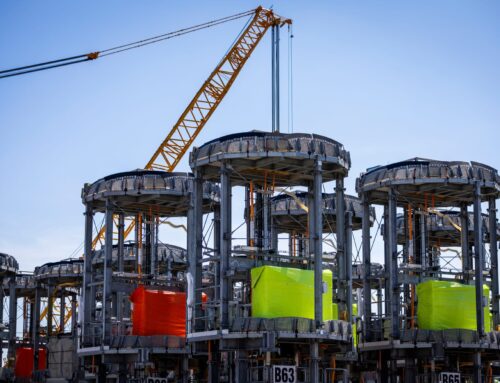
Duke Energy Florida Launches First 100% U.S. Green Hydrogen Power System
January 12, 2026
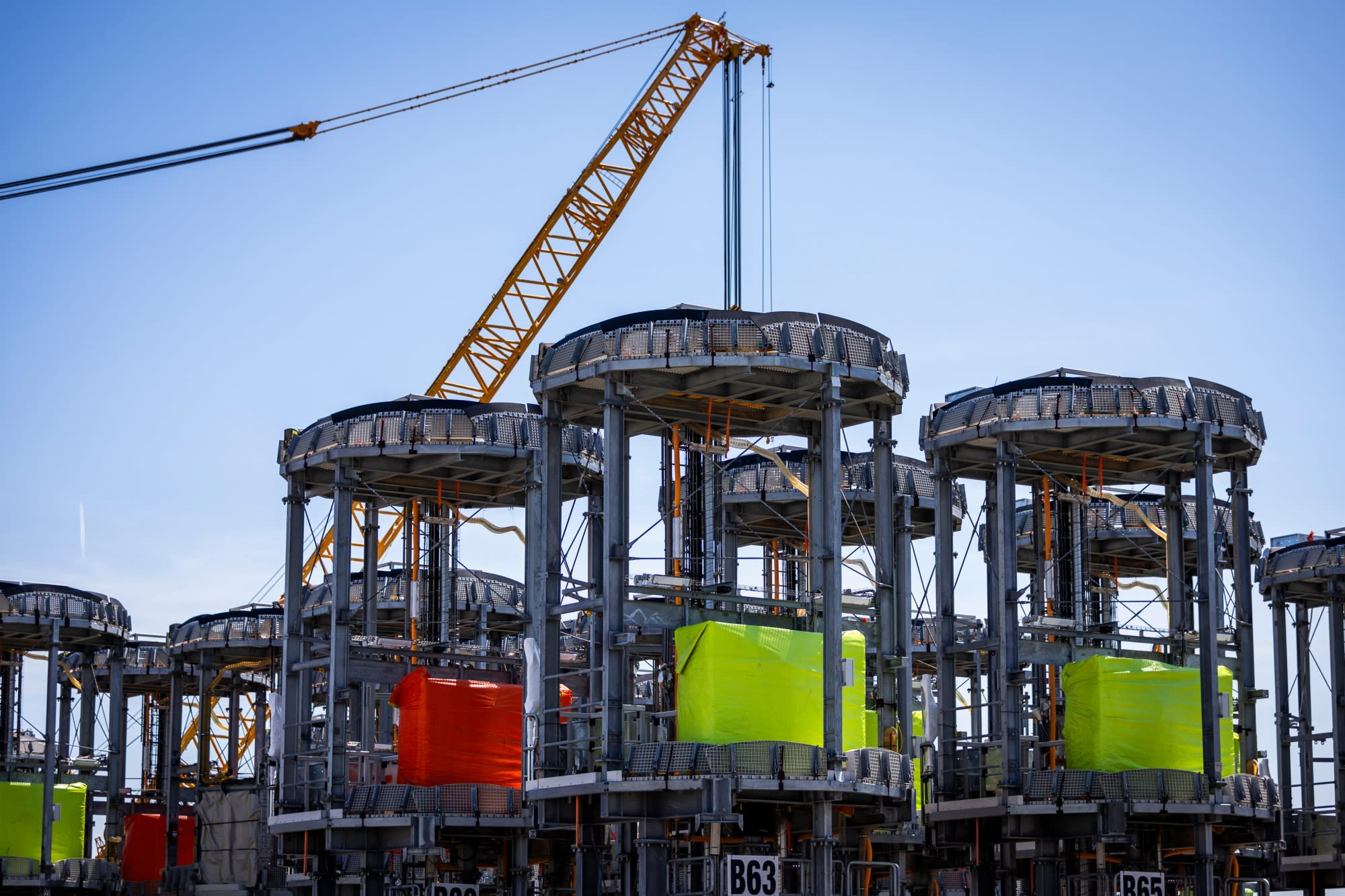
Duke Energy Florida has launched a new clean energy system that is the first of its kind in the United States. The system can produce, store, and burn 100% green hydrogen fuel at a commercial power plant. The project is called the DeBary Hydrogen Production Storage System. It uses solar power to make hydrogen, stores the fuel, and sends it to a combustion turbine to produce electricity. This project marks an important step in using renewable hydrogen to generate power when needed.
The DeBary project is located in Volusia County, Florida. It sits at an existing Duke Energy Florida site that already includes solar and natural gas power facilities. The hydrogen system is designed to help the utility add more clean energy while keeping the electric grid reliable, especially during times of high demand.
Hydrogen Hits the Grid: How DeBary Produces Power on Demand
The DeBary system combines several steps of green hydrogen production into one working process. It starts with electricity from a 74.5-megawatt (MW) solar array already at the site. This clean power runs electrolyzers, which split water into hydrogen and oxygen. The oxygen is released into the air, while the hydrogen gas is collected.
The system works in three main steps:
- Solar power runs electrolyzers that split water to produce hydrogen.
- The hydrogen is stored in reinforced containers on site.
- The stored hydrogen is sent to a gas turbine that can burn hydrogen alone or mixed with natural gas.
The turbine has been upgraded with technology from GE Vernova. This allows it to run on up to 100% hydrogen. This level of operation has not been demonstrated at this scale before in the United States.
Unlike solar and wind power, which depend on weather conditions, this hydrogen system can generate electricity on demand. The stored hydrogen can be burned when renewable energy output is low. This makes the system a dispatchable clean energy source. It supports grid reliability and reduces dependence on fossil fuels.
Melissa Seixas, Duke Energy Florida state president, stated:
“The DeBary hydrogen project underscores Duke Energy Florida’s deep understanding of that notion and our commitment to making strategic infrastructure investments that will allow us to continue providing value for our customers while meeting their rapidly increasing demand for energy.”
Why Green Hydrogen Matters: From Water to Watts
Hydrogen can help cut carbon emissions if it is produced using renewable energy. It supports Florida’s 100% clean energy by 2050 mandate while delivering peaker plant flexibility for summer demand spikes.
Green hydrogen is made by splitting water with renewable electricity. This is different from hydrogen made from natural gas or coal, which releases carbon dioxide.
Today, most hydrogen in the United States is produced from fossil fuels. Less than 2% comes from renewable-powered electrolysis.
Green hydrogen offers several benefits:
- Produces no direct greenhouse gas emissions when used in turbines or fuel cells.
- It can store energy for longer periods than batteries.
- It can be used in power generation, transportation, and industry.
However, increasing production and lowering costs remain major challenges.
Industry forecasts show strong growth for green hydrogen. One estimate projects that the U.S. green hydrogen market could grow from about $274 million in 2024 to nearly $7 billion by 2034. This equals a compound annual growth rate of about 38%. Utilities and power generation will be among the fastest-growing uses.

Part of a Global Push: Hydrogen Projects Gaining Traction
The DeBary system is part of a larger trend. Utilities, governments, and companies around the world are testing green hydrogen as part of the clean energy transition.
In the United States, similar projects exist in Illinois, Washington, Utah, and New York. Many of these projects combine renewable power with electrolyzers to produce hydrogen at a commercial scale. For example:
- The Douglas County Public Utility District in Washington uses hydropower to produce and distribute green hydrogen.
- The Advanced Clean Energy Storage Project in Utah plans to produce up to 100 metric tons of green hydrogen per day and store it underground.
- A green hydrogen plant in New York uses hydropower to supply renewable hydrogen to industries.
These projects show how renewable energy can support hydrogen production. They also help utilities diversify their power sources. Green hydrogen can improve grid flexibility by storing extra renewable energy and using it later during peak demand.
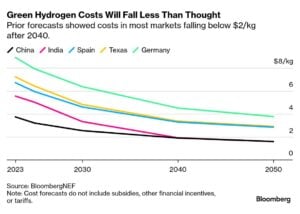
Globally, large initiatives are also underway. One example is the Green Hydrogen Catapult. This effort is supported by the United Nations and the Rocky Mountain Institute. The group boldly aims to cut green hydrogen costs to below $2 per kilogram by 2026.
Fuel Savings for Customers: Lower Bills, Cleaner Power
Duke Energy Florida says its recent infrastructure investments could lower fuel costs and improve reliability. These include the DeBary hydrogen system and other upgrades. Across Florida, customers could see more than $350 million in total fuel cost savings. Average monthly energy bills could drop by about $10, based on company statements.
The hydrogen system also helps meet peak electricity demand. During extreme heat or cold, stored hydrogen can be burned to produce power when solar and wind are unavailable. This is a form of long-duration energy storage. Such systems can store energy for 10 hours or more, which is much longer than typical battery storage.
Dispatchable power is becoming more important as solar and wind capacity grow. These energy sources are variable and do not always match demand. Without flexible backup power, grid stability can be harder to maintain. The DeBary system helps address this issue by delivering electricity on demand.
Challenges Ahead: Costs, Infrastructure, and Scaling Up
The global green hydrogen market reached $7.98 billion in 2024 and could grow to $25-60 billion by 2030 at a 22-39% annual growth rate, driven by government support and rising industry demand.
Still, green hydrogen faces major challenges. Cost is one of the biggest barriers. Producing hydrogen through electrolysis is currently more expensive than making hydrogen from fossil fuels.
A recent techno-economic study estimated green hydrogen costs between $3.50 and $6.00 per kilogram. These costs are expected to fall as renewable energy prices drop and electrolyzer technology improves. U.S. government incentives, including tax credits under the Inflation Reduction Act, are also helping reduce costs.
Infrastructure is another challenge. Hydrogen pipelines and storage facilities are limited today. More investment is needed to support wider use. Even so, projects like DeBary help show how hydrogen can work within existing energy systems.
Utilities are also investing in other clean technologies. These include battery storage, advanced nuclear power, and carbon capture. Green hydrogen is expected to support these solutions rather than replace them. Strong coordination among regulators, investors, and industry players will be important for scaling hydrogen use.
Lessons From DeBary and the Future of Hydrogen
Duke Energy Florida’s DeBary Hydrogen Production Storage System is a major step forward for clean energy. By combining solar power with hydrogen production, storage, and combustion, it provides a new model for reliable, low-carbon electricity. The system may help lower fuel costs, improve grid flexibility, and support long-term decarbonization goals.
As green hydrogen markets expand and technology improves, projects like DeBary will offer valuable lessons. Continued innovation, policy support, and investment will shape how quickly green hydrogen becomes a regular part of the energy system.
Search
RECENT PRESS RELEASES
Related Post