Egypt Unites With Qatar, Bahrain, Saudi Arabia, And UAE In Imposing Strict Policies And Ri
January 11, 2026
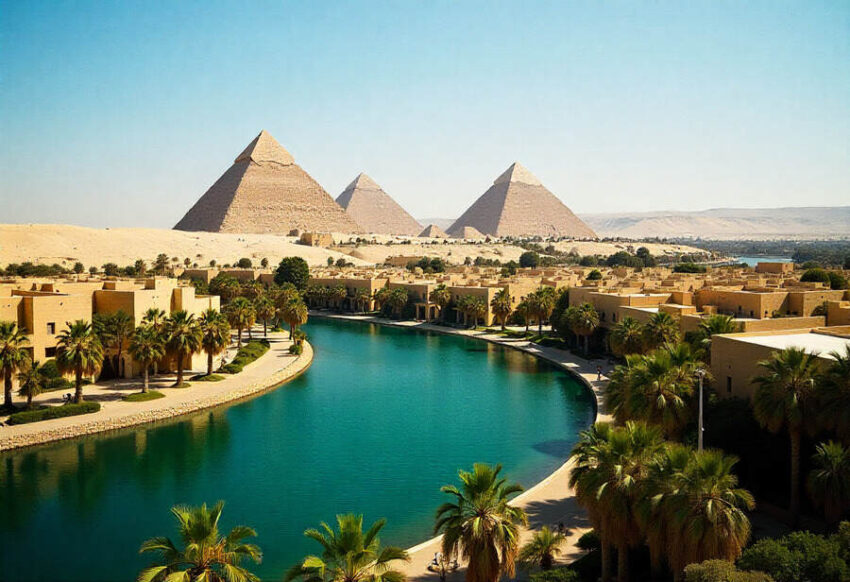
Egypt Unites With Qatar, Bahrain, Saudi Arabia, And UAE In Imposing Strict Policies And Rigorous Sustainability Standards To Protect Middle East Tourism And The Environment In 2026 due to the growing need to balance rapid tourism growth with environmental conservation. These countries are joining forces to introduce comprehensive regulations and sustainability measures aimed at ensuring the long-term health of the tourism sector while protecting the region’s unique landscapes and ecosystems. By implementing strict guidelines and policies, they are setting a new standard for responsible tourism, positioning the Middle East as a global leader in sustainable travel practices for the future.
As the tourism industry in the Middle East continues to thrive, nations within the region are increasingly focusing on sustainable development and environmental protection. In 2026, Egypt joined forces with Qatar, Bahrain, Saudi Arabia, and the UAE to introduce strict policies and regulations aimed at ensuring the long-term growth of the tourism sector while safeguarding the environment. These collaborative efforts represent a unified approach to shaping the future of Middle Eastern tourism, ensuring that it remains a major economic driver for years to come.
This overview dives deep into the regulations being implemented by these nations and explores how they are making a collective effort to protect the Middle East’s tourism sector and the environment.
Tourism has always played a crucial role in the economies of Middle Eastern countries. From the bustling streets of Dubai to the ancient monuments of Egypt, the region attracts millions of visitors every year. However, with increasing tourism comes the need for responsible development. Sustainability is now at the forefront of tourism policies, with countries across the Middle East adopting new regulations to minimize the impact of tourism on the environment, local communities, and cultural heritage sites.
Advertisement
In light of climate change, over-tourism, and environmental degradation, these countries are prioritizing sustainability to ensure that tourism continues to thrive without compromising the integrity of their landscapes, heritage, and ecosystems.
Egypt, a cornerstone of Middle Eastern tourism, has long been famous for its ancient history and the Nile River, which remains a major tourist attraction. The government is taking a proactive stance in ensuring the longevity of tourism by enforcing stringent regulations to improve both environmental sustainability and safety within the industry.
Advertisement
One of the most notable moves was Egypt’s decision to extend the deadline for floating restaurant operators along the Nile River. Operators now have until 31 December 2026 to comply with new safety and technical requirements. This deadline extension aims to give restaurant owners the time they need to modernize their vessels, conduct detailed technical assessments, and ensure that their operations meet international safety standards.
The floating restaurant industry on the Nile is not only a major draw for tourists but also an important part of the country’s tourism ecosystem. The regulations now in place require operators to submit comprehensive technical assessments conducted by accredited consulting offices. These assessments must include underwater inspections and be approved by an Egyptian university specializing in shipbuilding. Furthermore, restaurant owners must contract with approved shipyards to schedule necessary dry-docking for their vessels. In cases where dry-docking is not possible, owners will be required to construct new floating restaurants that meet safety specifications.
These regulations are part of Egypt’s broader strategy to improve the quality of tourism experiences while maintaining a high level of safety for visitors. By setting a clear timeline for compliance, the government is strengthening Egypt’s position as a leading destination for river-based tourism.
Qatar has been steadily investing in its tourism infrastructure to prepare for its role as a host for major global events. Sustainability is at the heart of its tourism development strategy, particularly in the lead-up to the 2022 FIFA World Cup. Qatar has introduced rigorous regulations for hotels and tourism operators that emphasize environmental responsibility. These regulations require businesses in the tourism sector to implement eco-friendly practices such as waste management, water conservation, and energy efficiency.
One of the key sustainability measures in Qatar’s tourism sector is the establishment of a Green Tourism program. This program certifies hotels, resorts, and other tourism businesses that meet strict environmental standards. The government has set ambitious goals to ensure that Qatar’s tourism industry becomes a model for sustainable practices in the region.
Bahrain is another Middle Eastern country that has been working on its sustainability policies. Known for its rich culture and beautiful coastal areas, Bahrain is focusing on ecotourism to preserve its natural resources while attracting environmentally conscious travelers.
The government has launched several initiatives to protect its coastal ecosystems and promote sustainable tourism, such as the development of nature reserves and the establishment of regulations aimed at reducing carbon emissions. The country has also introduced rules to limit the construction of new tourism developments in sensitive environmental areas, ensuring that future projects align with the principles of sustainable tourism.
Saudi Arabia has been making substantial strides toward creating a sustainable tourism sector as part of its Vision 2030 plan, which aims to diversify the economy away from oil dependency. The country has introduced a range of policies aimed at enhancing sustainability in tourism, including stricter environmental regulations and the promotion of green energy.
A key part of Saudi Arabia’s tourism strategy is its Red Sea Project, which aims to develop luxury resorts and tourism infrastructure along the pristine coastline while ensuring that environmental protection measures are fully integrated. The government has set high standards for sustainable construction, waste management, and water conservation for all projects under this initiative.
The UAE, particularly Dubai and Abu Dhabi, has been a leader in adopting sustainability regulations for tourism. With a rapidly growing tourism industry, the country recognizes the need to balance development with environmental preservation. The UAE has set ambitious goals for sustainability, which include the implementation of zero-carbon buildings, the development of sustainable public transportation systems, and the promotion of green tourism practices in hospitality.
In 2026, the UAE introduced a Sustainability Compliance Initiative that requires all tourism operators, including hotels, travel agencies, and tour operators, to meet strict environmental standards. These include energy-efficient buildings, water conservation practices, and waste management systems that align with the UAE’s broader goals for a green economy.
The collaboration among Egypt, Qatar, Bahrain, Saudi Arabia, and the UAE signals a shared commitment to sustainability in tourism. By uniting to enforce strict regulations, these countries are creating a cohesive and robust framework for sustainable tourism development in the Middle East. This collective approach not only enhances the region’s appeal as a tourist destination but also sets a precedent for other countries to follow in their pursuit of environmentally responsible tourism.
| Country | Key Regulations | Deadline/Implementation |
|---|---|---|
| Egypt | – Floating restaurant operators to submit technical assessments, undergo underwater inspections, and modernize vessels. | Deadline: 31 December 2026 |
| Qatar | – Green Tourism program for certification of eco-friendly tourism businesses. | Ongoing, with future enhancements |
| Bahrain | – Ecotourism regulations protecting coastal areas, promoting nature reserves, and limiting tourism in sensitive areas. | Ongoing |
| Saudi Arabia | – Environmental regulations for tourism projects, including the Red Sea Project, emphasizing sustainable construction and energy use. | Ongoing, with Vision 2030 goals |
| UAE | – Sustainability Compliance Initiative for all tourism operators, including hotels, tour agencies, and transport services. | Ongoing |
For travelers, these regulations mean more sustainable and environmentally conscious options when visiting the Middle East. Whether it’s choosing eco-friendly accommodations in Qatar, experiencing a nature reserve in Bahrain, or cruising the Nile in an updated floating restaurant in Egypt, travelers will have access to tourism experiences that align with their values.
The steps taken by Egypt, Qatar, Bahrain, Saudi Arabia, and the UAE in 2026 represent a pivotal moment in the region’s tourism development. With an increasing focus on sustainability, these nations are positioning themselves as leaders in responsible tourism. By implementing strict policies and regulations, they are ensuring that tourism remains a sustainable economic driver, supporting both environmental protection and cultural preservation.
In the coming years, we can expect to see more innovative approaches to sustainable tourism in the Middle East, with these countries continuing to set new standards for the rest of the world to follow. As a result, the region’s tourism sector will not only thrive but also become a model for other destinations aiming to integrate sustainability into their tourism development strategies.
The collaborative efforts of Egypt, Qatar, Bahrain, Saudi Arabia, and the UAE in introducing strict policies and sustainability standards are an exciting development for the Middle East’s tourism industry. These regulations ensure that tourism in the region will remain sustainable, responsible, and enriching for visitors, local communities, and the environment alike.
As travelers increasingly seek out eco-friendly and sustainable experiences, the Middle East’s commitment to these principles will enhance its reputation as a leading destination for responsible tourism. The region is on track to offer visitors not only a glimpse into its rich history and vibrant culture but also the opportunity to be part of a more sustainable, environmentally conscious future.
Egypt Unites With Qatar, Bahrain, Saudi Arabia, And UAE In Imposing Strict Policies And Rigorous Sustainability Standards To Protect Middle East Tourism And The Environment In 2026 to ensure the region’s tourism sector thrives responsibly while minimizing environmental impact. This collaborative effort aims to create a sustainable tourism framework that supports both economic growth and environmental protection.
By adhering to these new regulations, the Middle East is securing its place as a global leader in sustainable tourism, making it a more attractive destination for travelers who are mindful of their environmental impact. With the support of both the public and private sectors, the region’s tourism industry will continue to thrive for years to come.
Advertisement
Share On:
Follow Travel And Tour World in Google News
Search
RECENT PRESS RELEASES
Related Post