EIA: 80 GW of new solar, wind + storage capacity coming in 2026
April 27, 2026
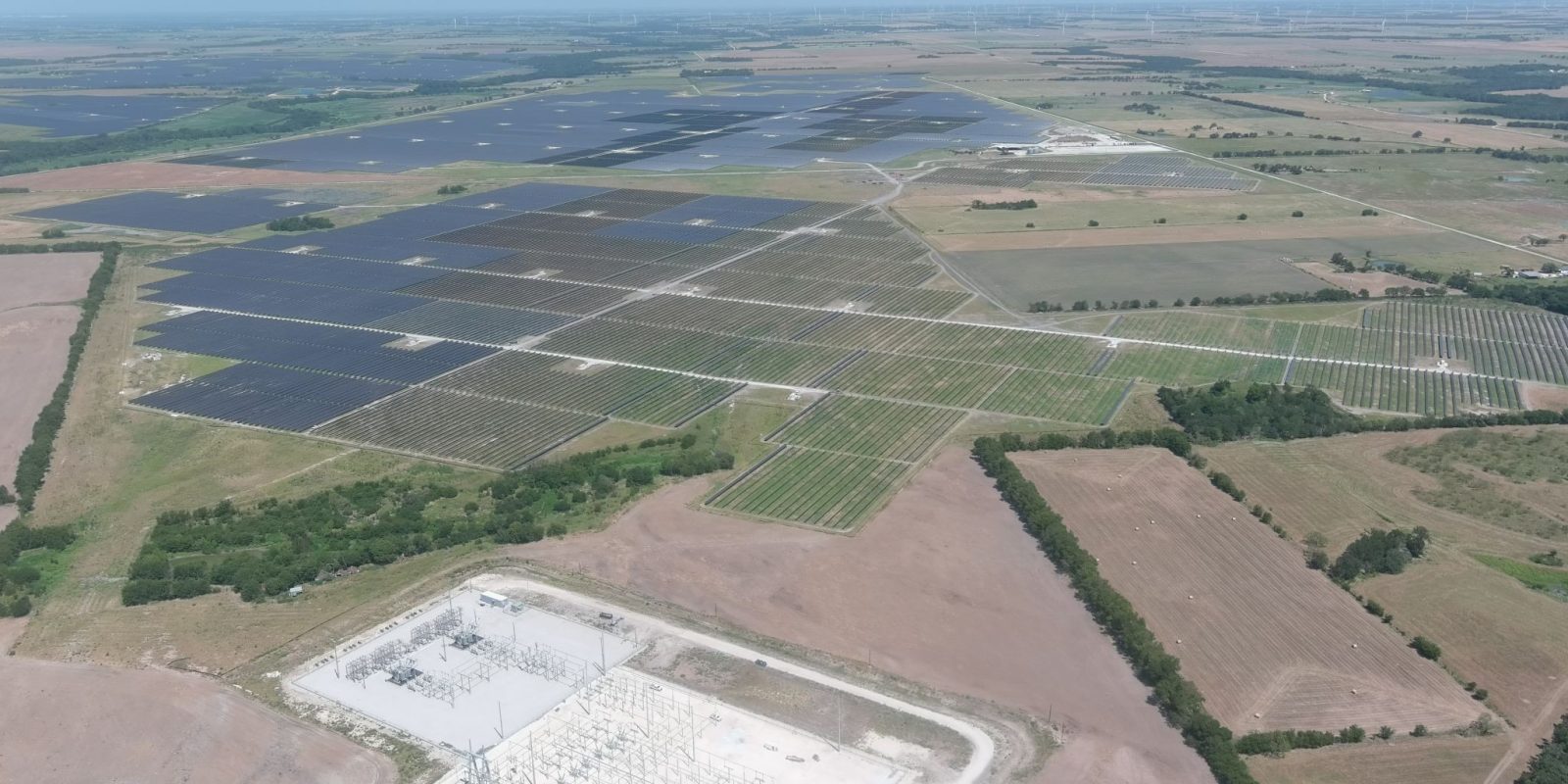
Utility-scale solar, wind, and battery storage will add more than 80 gigawatts (GW) of new generating capacity in the US by February 28, 2027, while total fossil fuel and nuclear power capacity will fall by almost 5 GW, according to data just released by the US Energy Information Administration (EIA), which was reviewed by the SUN DAY Campaign.
As of March 1, 2026, renewable energy’s share of total US utility-scale (>1 megawatt (MW)) generating capacity was 33.4%. EIA projects this to grow to 36.6% by February 28, 2027. Solar will add 42,628.6 MW, expanding its share from 12.7% to 15.5%, while wind will grow by 14,507.4 MW, increasing from 13.1% to 13.6%. This includes 4,155.0 MW of new offshore wind capacity. The mix of other renewables (i.e., hydropower, biomass, and geothermal) will add 316.7 MW.
The combined capacity growth of all renewable energy sources for the 12-month period (57,452.7 MW) is almost 75% greater than that added during the previous 12 months (32,988.9 MW).
Meanwhile, EIA projects no new nuclear generating capacity and a net decline of 4,903.2 MW in fossil fuel capacity.
Advertisement – scroll for more content
EIA doesn’t provide a forecast for new capacity additions by small-scale solar (e.g., rooftop solar). However, it reports that as of the end of February, small-scale solar capacity totaled 60.197.9 MW, with over 10% (6,068.9 MW) of that capacity coming online in the last year.
If small-scale solar adds a comparable amount by March 1, 2027 (e.g., 6,000 MW), it will bring renewable energy’s share of installed capacity up to 39.7%. Solar power’s share alone (19.7%) will be almost one-fifth of total US capacity.
By comparison, natural gas’ share of generating capacity will drop from 40.0% to 38.3%.
For the forecast period, EIA expects utility-scale battery energy storage to surge from 44,630.7 MW to 67,549.6 MW – an increase of 51.4%.
Thus, the combination of renewable energy sources (including estimated small-scale solar) and battery energy storage will provide approximately 86,370 MW of new clean capacity.
Unsurprisingly, the rapid expansion of renewables’ generating capacity has been accompanied by comparable growth in generation.
During January and February, electrical output by the mix of renewables increased by 10.8% and provided 26.0% of total generation – up from 23.6% during the same two-month period in 2025. Renewable energy growth was triple that of all energy sources combined (3.6%).
The growth was led by surges of 23.2% in utility-scale solar and a 22.9% in hydropower, plus 11.4% growth in estimated small-scale solar. Electrical production by wind and geothermal also grew by 1.4% and 1.5%, respectively.
Once again, the electricity generated by the mix of solar and wind was greater than that from either coal or nuclear power.
“Notwithstanding all of the policy obstacles thrown up by the Trump Administration during the last year, renewables raced ahead in 2025,” said the SUN DAY Campaign’s executive director, Ken Bossong. “Now they are poised to really press the pedal to the metal in 2026 and beyond.”
Read more: FERC: Renewables made up 88% of new US power generating capacity in 2025

If you’ve ever considered going solar, make it easy by finding a trusted, reliable solar installer near you that offers competitive pricing by checking out EnergySage. It has hundreds of pre-vetted solar installers competing for your business, ensuring you get high-quality solutions and save 20-30% compared to going it alone. Plus, it’s free to use, and you won’t get sales calls until you select an installer and share your phone number with them.
Your personalized solar quotes are easy to compare online, and you’ll get access to unbiased Energy Advisors to help you every step of the way. Get started here.


Search
RECENT PRESS RELEASES
Related Post