Emboldened Virginia Democrats focus on clean energy, affordability
January 8, 2026
This audio is auto-generated. Please let us know if you have feedback.
Dive Brief:
- Democratic state lawmakers in Virginia are preparing bills to boost the state’s renewable energy and storage goals and speed the interconnection of clean energy infrastructure ahead of the legislative session scheduled to begin Jan. 14.
- Democrats have the governor’s seat, 64 out of 100 seats in the House of Delegates and 21 out of 40 seats in the Virginia Senate, giving them an opportunity to advance their energy agenda as the state is forecasted to see an “immense increase in energy demand” due in large part to its data center industry, according to the state’s Joint Legislative Audit & Review Commission.
- Governor-elect Abigail Spanberger, D, who is slated to be sworn in on Jan. 17, made energy affordability and clean energy key to her campaign. She has said she will rejoin the Regional Greenhouse Gas Initiative which her predecessor, Gov. Glenn Youngkin, R, withdrew the state from in 2023.
Dive Insight:
Governor-elect Spanberger and fellow Democrats outlined their energy agenda last month, emphasizing the need to lower costs.
Their proposals include bills that would increase utilities’ energy storage targets with the intention of lowering peak prices; expand utility efficiency programs for low-income households; establish a weatherization task force to improve energy efficiency; exempt small, portable solar energy systems from utility approval requirements; and improve load forecasting.
“Spanberger has made it clear she not only wants to rejoin RGGI, but also that affordable energy — specifically electricity — is high on her priority list,” Tony Smith, president and founder of Secure Solar Futures, said in an interview.
“Affordability is a key word that has really carried her forward,”he added. “So she’s going to look for ways to make electricity more affordable, and she’s very much an advocate for clean energy.”
Nate Benforado, a senior attorney with the Southern Environmental Law Center, said in an interview that increases in demand from factors like data center expansion and electrification have changed the calculus for energy policy in the state.
“Virginia has always been a leader — the leader — in the data center market, across the entire world, but the speed and scale we’ve [recently] seen in Virginia, and really across the country, is just a completely different beast,” Benforado said.
SELC has advocated for Dominion Energy to meet that new demand in Virginia by building out its battery fleet instead of focusing on building new gas generation, citing the additional flexibility of batteries and the reduced need for transmission infrastructure buildout.
Last year, the legislature passed an energy storage bill that was vetoed by Gov. Youngkin. The bill would have amended the Virginia Clean Economy Act to raise the state’s goals for battery deployment. Youngkin’s veto explanation called the VCEA “failing” and “misguided” and said that long-duration battery storage is expensive.
”If utilities believed [batteries] to be the best technology to meet demand, they would be actively seeking permission to build them,” Youngkin said.
Del. Rip Sullivan said in a statement this week that he and colleagues are working on a new version of that bill which has undergone “careful consideration” since last year, including discussion with the state’s Commission on Electric Utility Regulation and “engagement with local government leaders, fire safety experts, industry leaders, agency officials, and environmental and ratepayer advocates.”
He said the bill would also create a minimum safety standard for energy storage projects in Virginia, provide additional regulatory oversight and provide more support for localities reviewing energy storage projects.
The proposal was praised by SELC and the American Clean Power Association.
“Energy storage is one of the most effective tools Virginia can deploy to keep electricity affordable and reliable today and into the future,” said ACP Chief Advocacy Officer Frank Macchiarola in a statement. “Clear, ambitious state policy initiatives like this legislation will unlock thousands of megawatts of energy storage projects ready to be built today — creating jobs and ensuring Virginians benefit from a more reliable, resilient grid.”
But Steve Haner, senior fellow for state and local tax policy at the Thomas Jefferson Institute for Public Policy, a conservative think tank, criticized the proposal in a Wednesday blog post based on the potential capital costs of the energy storage goals.
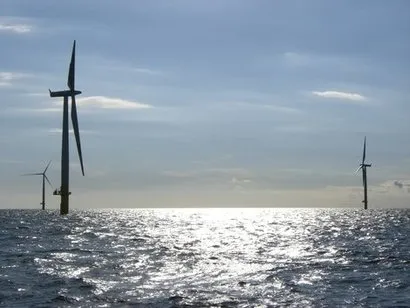
He also noted that Dominion Energy’s mostly-complete Coastal Virginia Offshore Wind project “is now paused and is in very great jeopardy of being cancelled outright by the Trump Administration”, and questioned “how that changes the energy calculus for Virginia.”
Search
RECENT PRESS RELEASES
Related Post