Environmental groups urge feds to rescind study permit for hydroelectric project on Susque
December 19, 2025
A coalition of environmental groups in Lancaster and York counties have furthered their challenge against a controversial hydroelectric project along the Susquehanna River in federal court.
Several nonprofits collaborated to file an 89-page opening brief in the U.S. Court of Appeals for the Third Circuit on Thursday outlining a case for the Federal Energy Regulatory Commission to reverse a decision granting a preliminary permit to York Energy Storage last year.
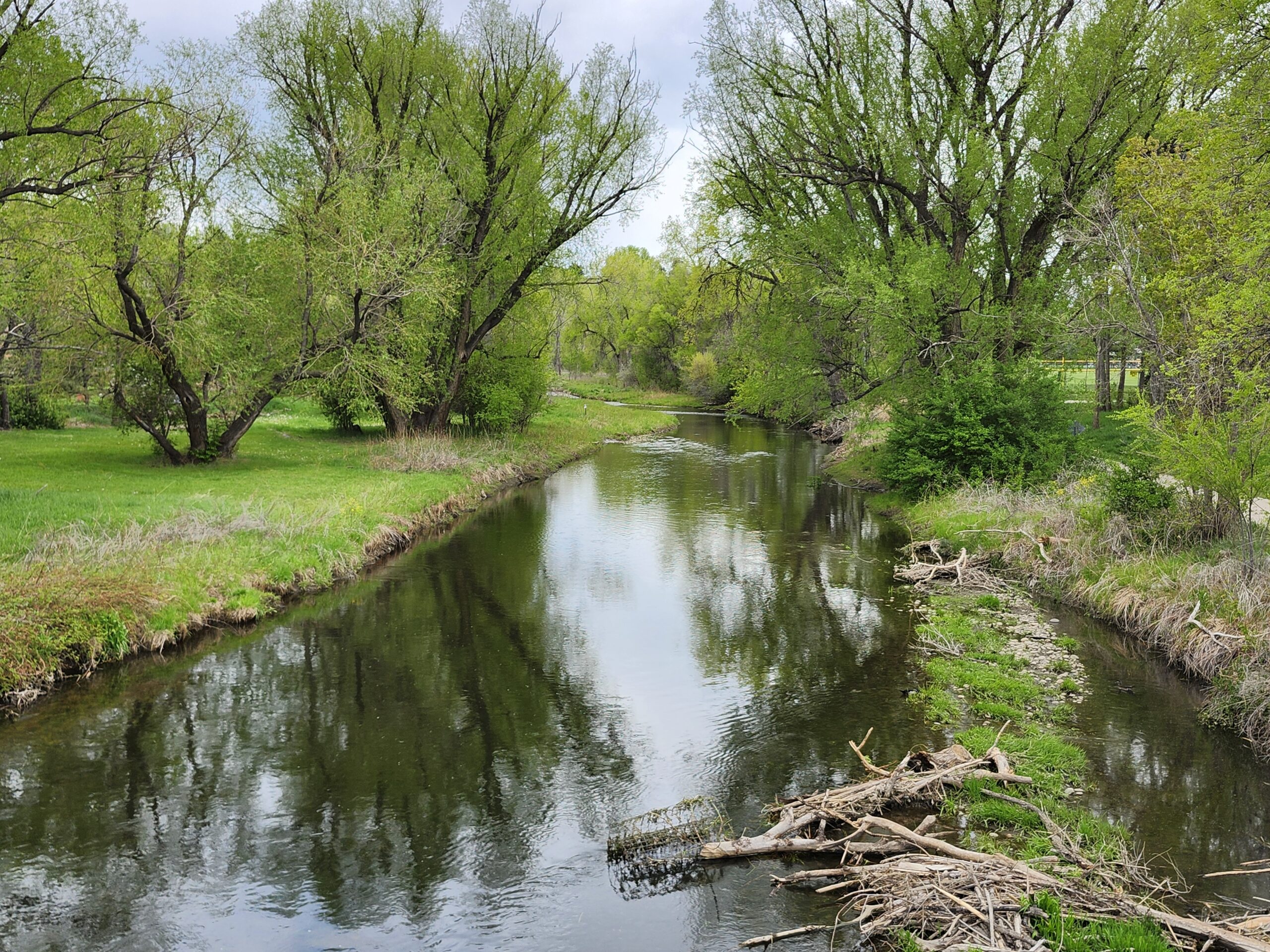
The challenged permit allowed York Energy, led solely by Reading resident William McMahon Jr., to study the potential for a pumped storage facility at Cuffs Run in York County, just across the river from Manor Township in Lancaster County. The $2.3 billion project proposes a dam and power turbine facility that would draw water from the Susquehanna to flood several hundred acres in Chanceford Township, York County.
Leaders with the Lancaster Conservancy, Susquehanna National Heritage Area, Lower Susquehanna Riverkeeper Association, Farm & Natural Lands Trust of York County and the Chesapeake Bay Foundation argue that FERC neglected to fully consider hundreds of public statements against the project. Appellants claim the permit is the first step toward the destruction of more than 1,000 acres of forests and farmland and the displacement of dozens of families.
“The only recourse was to go to the Court of Appeals for the Third Circuit. … To just ignore the comments, which is what happened here, doesn’t make any sense,” said Kathie Shirk Gonick, an executive of land protection and general counsel for the Lancaster Conservancy.
FERC declined to comment, according to Celeste Miller, FERC’s media relations director.
The preliminary permit doesn’t allow York Energy to build the facility. Instead, McMahon can study the site and its potential impacts for up to four years to prepare to apply for a license, though he said the study is on hold until the court battle concludes. McMahon said he hasn’t read Thursday’s brief yet, but he said he doesn’t feel discouraged.
“FERC knows what they’re doing,” he said. “They do it all the time.”
The coalition’s opening brief against FERC is only the first step in a legal battle expected to continue through the end of 2026 and into 2027.
Now that local environmental groups have submitted their brief, FERC has up to 30 days to submit a brief of its own, though the commission could request an extension. The environmental groups will reply to that brief, and then the court will schedule oral arguments, likely in fall of 2026, in Philadelphia.
Not the first time
This isn’t McMahon’s first time trying to build a hydroelectric facility at Cuffs Run.
In 1990, Mid-Atlantic Energy Engineers obtained a preliminary permit to “study essentially the same project in the same location,” according to Thursday’s brief. Mid-Atlantic studied the site for nearly a decade over the course of several permits, but the company never submitted a hydropower license application. McMahon, Mid-Atlantic’s president at the time, said the project proved to be unnecessary since there was already sufficient power in the area.
“Now, 30 years later, things have changed quite a bit,” McMahon said.
McMahon said the increase in people using electricity and in electrical cars and appliances means there’s a higher need for projects like the one proposed by York Energy. Plus, he said he estimates that construction of the facility could bring hundreds of temporary jobs to York and 25 to 50 full-time workers to operate the plant.
But Mark Platts, president of the Susquehanna National Heritage Area, said he thinks McMahon’s effort to revitalize a hydroelectric project at Cuffs Run is counterintuitive to what people want now: to protect the river and conserve land.
“It’s like he’s pursuing some dream from the last century when this was the way to generate power,” Platts said. “Our community has a new focus for the river.”
Continued opposition
Since York Energy started filing permit applications with FERC, local environmental groups and other interested parties have made it clear they don’t think the project is a good idea.
Last year, 27 state and local officials from York and Lancaster counties urged FERC to deny the permit application, according to claims in the opening brief, along with more than 1,500 residents of southeastern Pennsylvania.
FERC awarded the permit anyway, under the notion that no “permanent legal barriers” existed to a study of the project. When Lancaster Conservancy and more environmental partners filed a petition for rehearing, FERC rejected it in January. In March, those groups escalated their opposition to the project by filing a petition in the U.S. Court of Appeals.
Now, local environmentalists, some of whom fought against a similar hydroelectric facility study in 2011, hope their new brief puts them a step closer to making sure FERC listens to constituents when it grants its permits. Kathleen Gagnon, the Chesapeake Bay Foundation’s attorney on the case, said there needs to be two-way dialogue between FERC and Pennsylvania residents.
“I think the most important issues we raise are concerns for the dismissiveness of FERC and York Energy,” Gagnon said.
Plus, the appellants claim that York Energy’s project would destroy 580 acres of forests, 340 acres of farmland and 50 family residences in York County. Those homes would be subject to eminent domain laws, McMahon said, and he would pay families above market value for their houses “to afford a better property elsewhere.”
Platts, who attended father-son YMCA camping trips around Cuffs Run as a child, said there aren’t many remote, forested areas like it in York or Lancaster counties. Plus, the environmental nonprofits who are currently working to preserve the land around the Susquehanna already employ the number of full-time workers that York Energy’s project would when complete.
“Between the four nonprofits, we’re already promoting over 40 jobs,” Platts said, “and we’re here now.”
Ted Evgeniadis, executive director of the Lower Susquehanna Riverkeeper Association, said FERC should have denied York Energy’s permit because the commission has previously rejected permit applications due to an outpouring of public concern.
Now that local environmental groups have involved themselves legally, there’s a potential to strain resources that could be spent protecting the environment elsewhere, the opening brief claimed. Evgeniadis said he agreed.
“Lancaster Conservancy hired attorneys. It certainly harms resources, but these are actions that need to be done regardless,” Evgeniadis said. “Now we’re in this fight. That’s just what this is.”
Search
RECENT PRESS RELEASES
Related Post