Exclusive: Inside Neomorph’s Rise During a Tough Market for Biotech
May 15, 2026
Launched in 2020, Neomorph has emerged as one of San Diego’s top biotech companies.
Business of San Diego delivers in-depth profiles of founders and insights on San Diego’s most successful companies, executives, and technologies. Subscribe to make sure you don’t miss the next story.
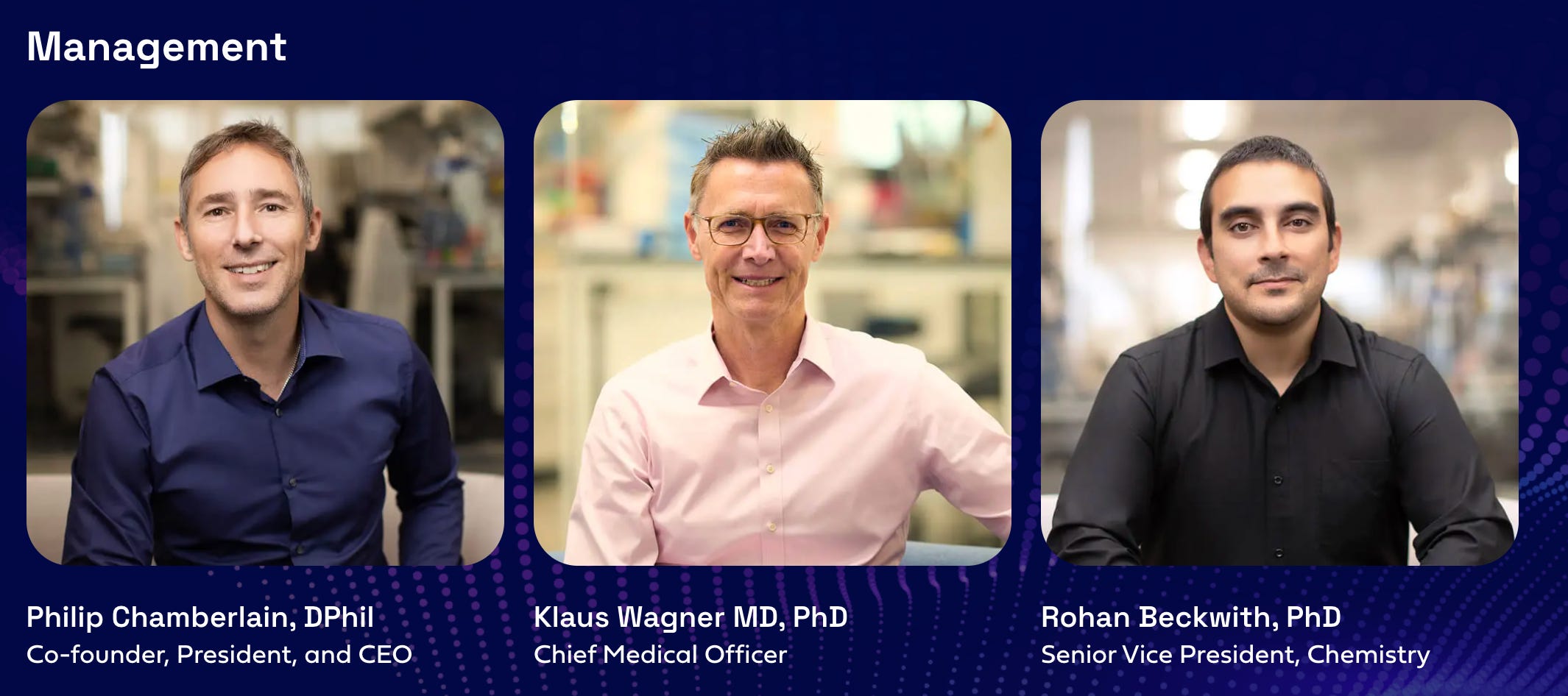
Philip Chamberlain is the co-founder, president and chief executive officer of one of San Diego’s fastest-growing biotech companies.
Before co-founding Neomorph, Chamberlain worked as a structural biologist at Oxford University before relocating to San Diego to pursue drug discovery.
He spent ten years in molecular glue drug discovery at pharmaceutical companies including Bristol Myers Squibb and Celgenebefore launching his own company.
With initial backing from Deerfield Management, he co-founded the company alongside scientists Eric Fischer, Benjamin Ebert and Scott Armstrong in early 2020, months before pandemic lockdown began.
“I spent a long time getting to know the people involved, and then committed to coming and starting this,” said Chamberlain. “At Celgene, there was so much business development. You would meet founders, CEOs and management teams from all different companies. It was attractive.”
“I stayed at Celgene for so long because the environment was very favorable, and the science was going so well,” he added. “We essentially built the first industrial glue platform. It was entrepreneurial work, but within a bigger company setting.”
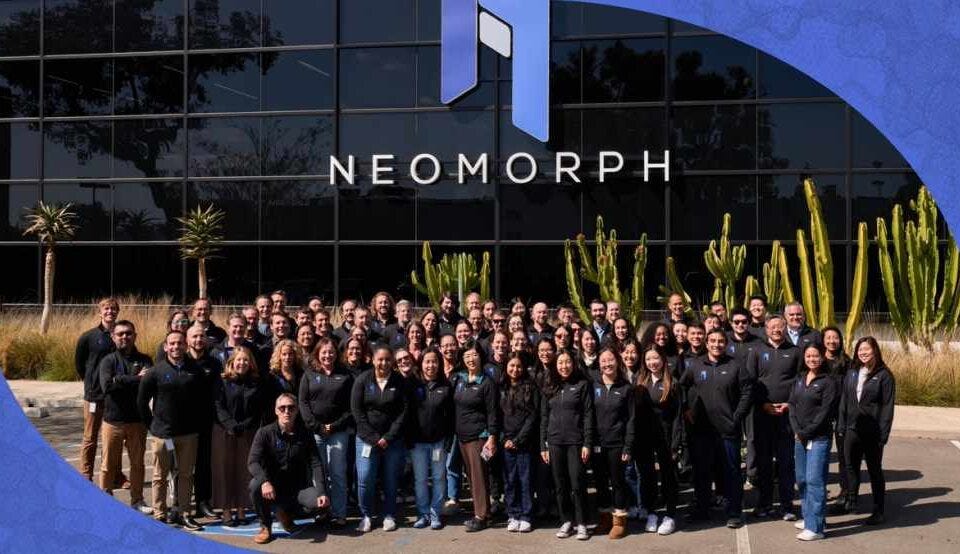
Today, Sorrento Mesa-based Neomorph has raised more than $200 million in private venture capital over the past six months. It employs more than 80 researchers supporting the clinical development of its lead drug candidate. The under-the-radar biotech is developing therapies targeting cancer, immunology and other diseases.
The recent financingcomes during one of the most selective fundraising environments biotech startups have faced in recent years, with investors increasingly favoring platform companies capable of generating multiple drug candidates.
Growing Platform Demand
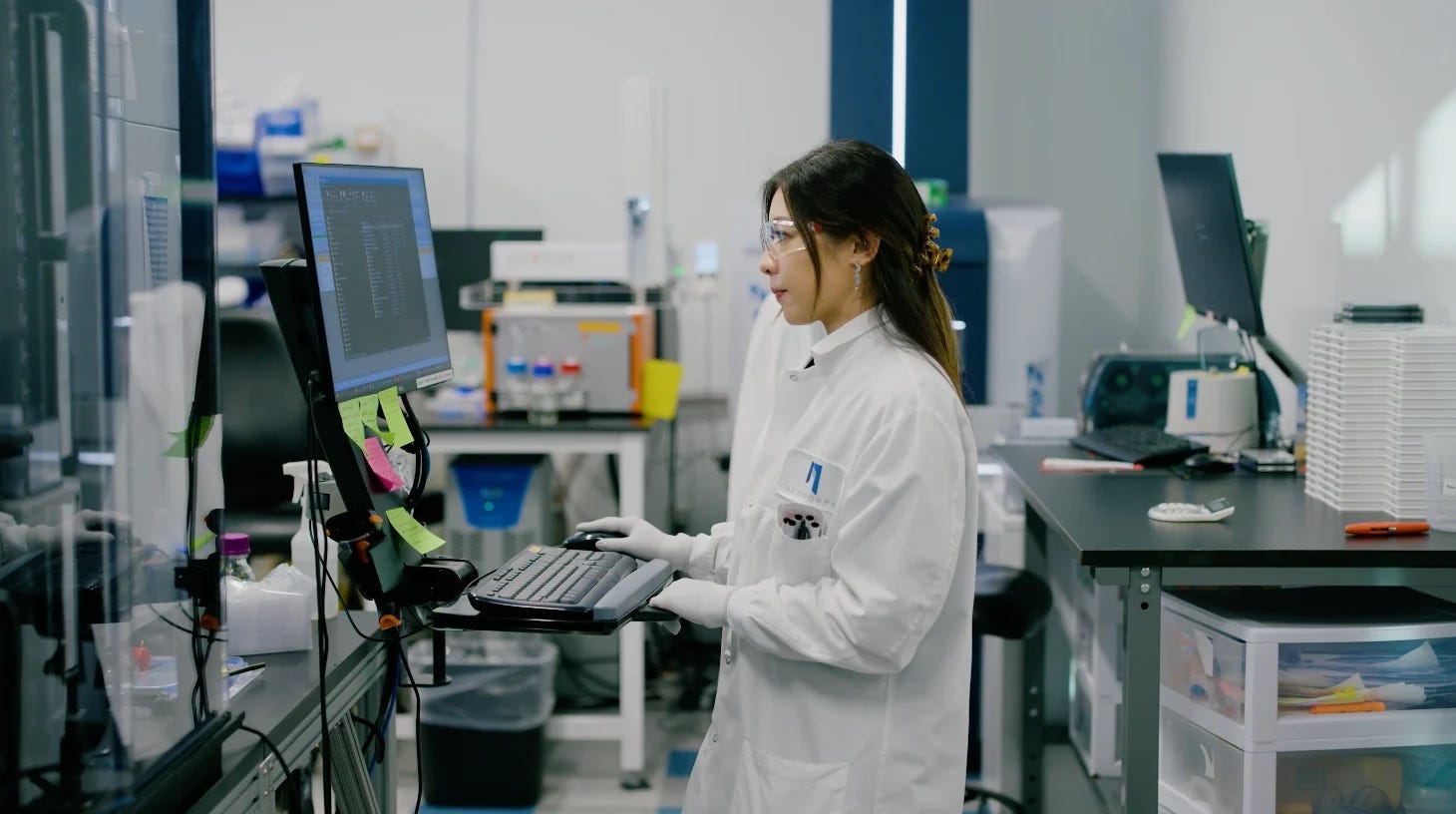
Molecular glues are designed to selectively degrade disease-causing proteins that were previously considered difficult or impossible to target with conventional drugs.
Neomorph’s lead candidate, NEO-811, is an investigational molecular glue degrader designed to treat cancer. Earlier this year, the first patient was dosed in a Phase 1/2 first-in-human clinical trial evaluating the therapy’s safety and efficacy.
“The idea that a small molecule could selectively destroy a disease-driving protein was viewed almost like science fiction. Now we’re seeing molecular glues move from an emerging scientific concept into a real therapeutic modality,” said Chamberlain.
Pharma giants have increasingly shown interest in molecular glue technologies as the industry races to develop next-generation targeted protein degradation therapies. Biotechs like Neomorph are emerging as key partners in that effort.
Multi-Billion-Dollar Pharma Deals
A major factor behind the company’s early success has been its positioning as a repeatable discovery platform rather than a single-asset biotech company.
The platform is designed to engineer molecular glues across multiple disease targets.
“One of the biggest validation points for us has been the caliber of partners we’ve been able to work with,” Chamberlain said. “These are top players in each of those therapeutic categories.”
To date, Neomorph has signed partnership agreements with a combined potential value approaching $5 billion, including multi-year collaborations with AbbVie, Novo Nordiskand Biogen
The partnerships focus on oncology, neurodegeneration and cardiometabolic disease, signaling broad pharmaceutical interest in Neomorph’s platform.
Expanding in San Diego
Neomorph remained “very lean” relative to its scientific footprint while continuing to expand its molecular glue platform, internal pipeline and pharmaceutical partnerships.
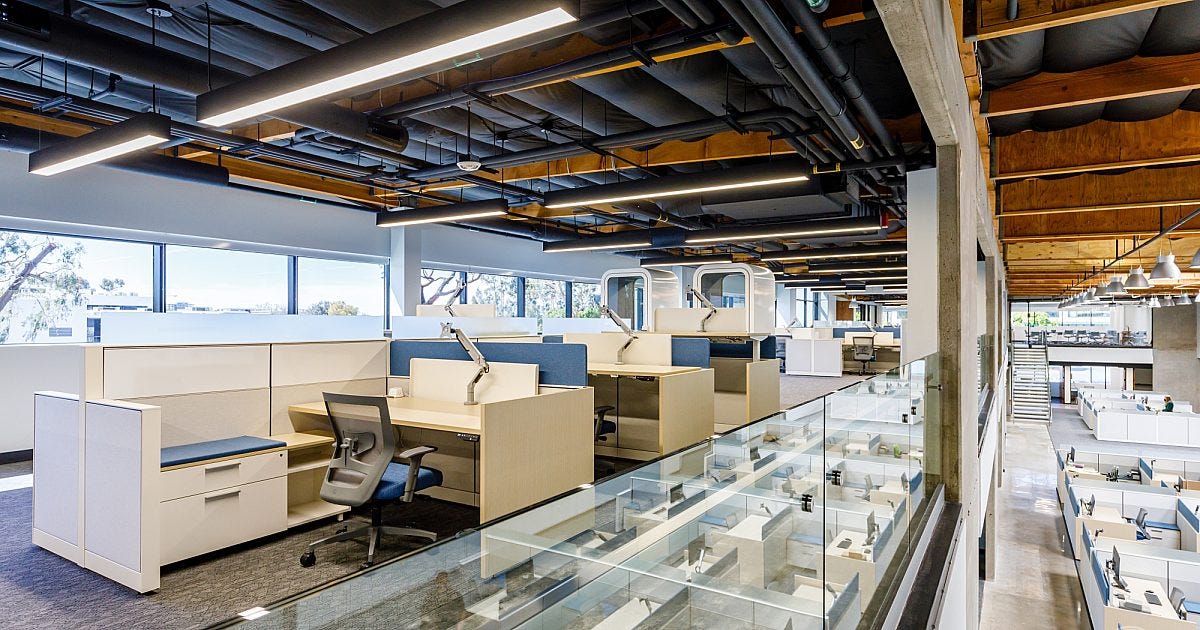
To support its growth, the company signed a lease for an 80,000-square-foot Class A laboratory facility near Sorrento Mesa and expects to fully transition into the space later this year.
San Diego’s scientific talent pool and collaborative biotech ecosystem played a major role in the company’s decision to continue expanding locally.
“People come here with a lot of commitment to building a life here and staying the course,” Chamberlain said. “You can live in a wonderful environment while also doing globally competitive, important drug discovery work. That’s a pretty incredible proposition San Diego offers.”
Search
RECENT PRESS RELEASES
Related Post