Experts make astonishing discovery after installing solar panels above rooftop gardens: ‘C
December 27, 2025
Solar panels and urban gardens are finally teaming up to transform rooftops into clean-energy food paradises.
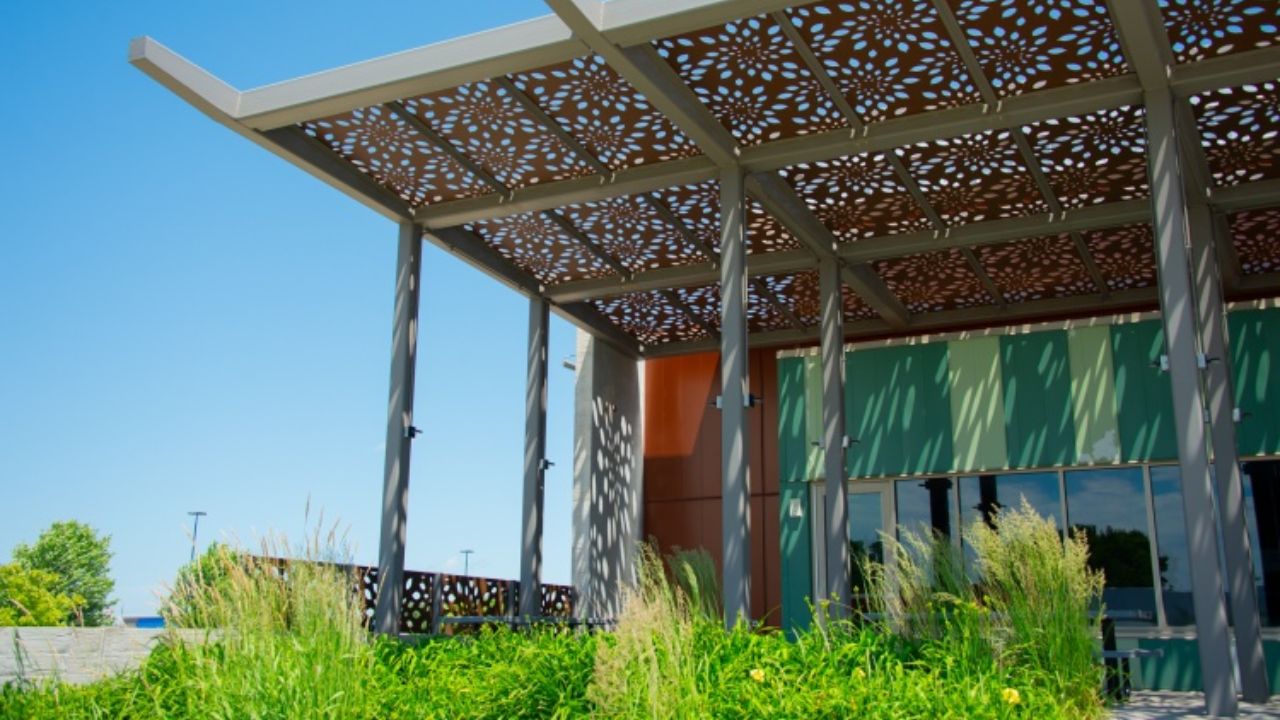
Researchers and city planners from New York City to São Paulo have discovered that when solar panels are installed above rooftop gardens, crops often grow better, not worse. Known as rooftop agrivoltaics, this technique uses solar panels to provide partial shade that protects plants from extreme heat and harsh sunlight while generating electricity. The plants then help cool the panels through evaporation, increasing energy efficiency.
This symbiotic setup addresses two growing urban challenges at once: food insecurity and climate pollution. About one-third of food is wasted worldwide, and over 2 billion people struggle to put food on the table, while commercial agriculture accounts for over 11% of the world’s carbon pollution.
Cities and their sprawls of asphalt and concrete tend to trap heat through the urban heat island effect, driving higher energy use and increasing the risk of heat-related illness. Rooftop gardens, a practice used for thousands of years, combat this by cooling buildings naturally, absorbing heavy rain that can overwhelm storm systems, and improving air quality. Add solar panels, and suddenly, rooftops become climate tools that reduce pollution from dirty energy while lowering indoor temperatures and utility bills.
“It’s not only about growing our own veggies in the city, but actually, too, it’s a hook to change habits,” said Nikolas Galli, a researcher who studies urban agriculture at the Polytechnic University of Milan. “Every square meter that you do can have a function, can be useful to increase the access to healthy food for someone.”
Galli’s recent study modeled potential changes in São Paulo, Brazil, where 14 square acres of space were transformed into gardens and farms. They found that a couple of acres could provide healthy food for over 600 people.
Studies show leafy greens, beans, squash, and even high-value crops such as saffron can thrive beneath panels. At Colorado State University, scientists found that shaded rooftop gardens used significantly less water and often produced healthier plants than those left exposed in the sun.
Rooftop agrivoltaics could generate income for small farmers and urban gardeners by allowing the sale of both produce and energy from the same land, or rooftop.
Organizations such as Project Petals in New York City are demonstrating the potential of vacant lots and rooftops, turning underused space into gardens that improve access to fresh food in communities that lack affordable grocery stores. Meanwhile, groups such as the National Renewable Energy Laboratory are exploring how agrivoltaics could be scaled nationwide.
The effects of rising global temperatures, such as crop failures, rising food prices, heat-related illness, and extreme weather events, already cost billions each year — far more than preventive solutions such as rooftop gardens and renewables ever could.
In the future, your home or apartment building’s solar garden could power your refrigerator and other basic appliances while also helping to keep you and the planet cool.
|
Would you rather sign up for community solar, or install panels on your home? Click your choice to see results and speak your mind. |
Get TCD’s free newsletters for easy tips to save more, waste less, and make smarter choices — and earn up to $5,000 toward clean upgrades in TCD’s exclusive Rewards Club.
Search
RECENT PRESS RELEASES
Related Post