Expiring Tax Credits Could Hamper Hawaiʻi’s Pivot To A Clean Energy Future
December 11, 2025
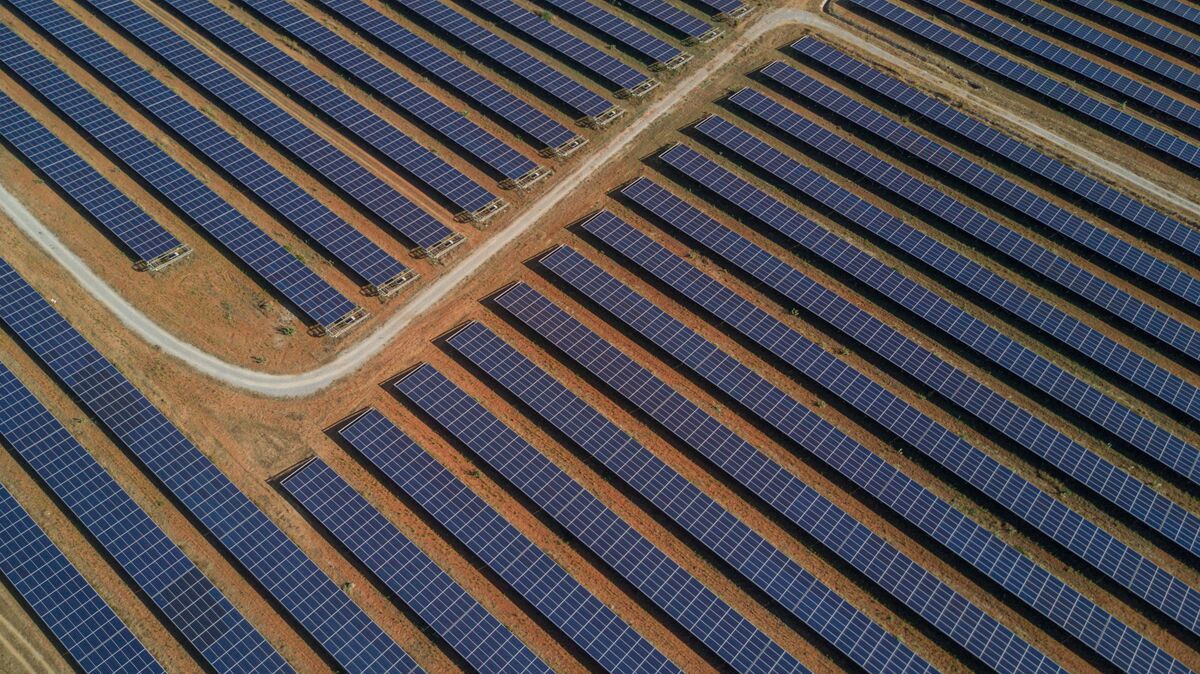
Clean energy developers in Hawaiʻi, along with state and county leaders, are scrambling to more quickly build at least a dozen utility-grade solar and wind projects deemed critical for the islands’ future power needs before they lose federal tax credits being phased out by the Trump Administration.
Those tax credits are meant to cover roughly 30% of the costs, Longroad Energy Vice President Wren Wescoatt said, and without them it doesn’t make financial sense to build the projects. Nonetheless, the state is counting on those projects to help its bumpy transition away from fossil fuels.
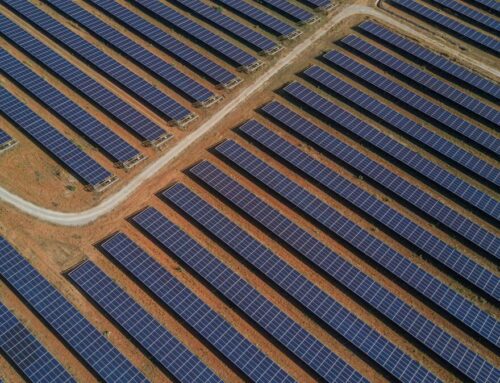
Longroad aims to build Hawaiʻi’s largest-ever renewable energy project, Mahi Solar and Storage, which would provide Oʻahu with 120 megawatts of electricity from a 600-acre site near Kunia.

Under Trump’s new “Big Beautiful Bill,” construction has to start on Mahi Solar and the other local wind and solar projects by July 4. They then need to be providing power to the grid within four years or else they won’t get the federal credits they’ve been counting on.
Without the credits, local energy and utility officials say, the renewable energy those projects aim to provide won’t be affordable in a state where consumers already pay the highest energy costs in the country.
Construction on Mahi Solar, Wescoatt said, actually started earlier this year. However, he and others added that the permit and approvals processes on such clean energy projects can often take years.
“We believe it is possible to complete the projects in time to receive the full tax credits,” Wescoatt said Wednesday. “But to do that, everything needs to move smoothly and we can’t have delays.”
To help keep things moving, Gov. Josh Green last month formed a task force that assembles the developers, various agencies that handle those permits, and officials from the state’s two main utilities — Hawaiian Electric Co. and Kauaʻi Island Utility Cooperative — to meet regularly and discuss what they can do to speed along approvals.
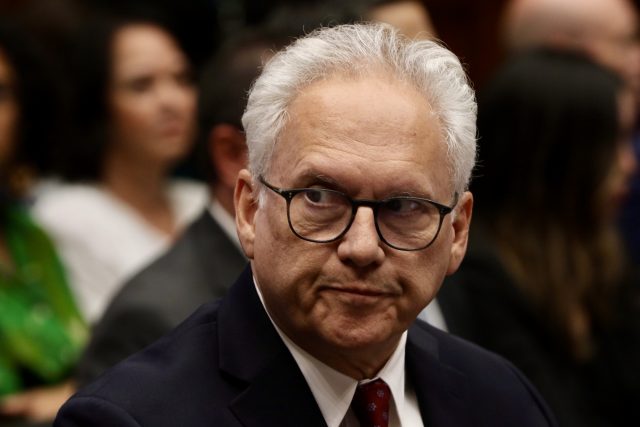
The so-called Committing to Reliable Energy and Decarbonization Innovations on Time, or CREDIT, task force, held its first meeting last week. Mark Glick, the state’s chief energy officer, said the group agreed to create a master schedule that shows the status of each renewable energy project so that everyone is aware of what needs to be done next.
“It’s quite clear that these projects are important to … maintain reliability because of the clear evidence that there’s a deficit of generation resources, particularly on Maui,” Glick said.
HECO hopes to have many of those clean energy projects online within four years regardless of the tax credits deadline, Vice President for Resource Procurement Rebecca Dayhuff Matsushima said, so that it has sufficient power to supply its grids across Oʻahu, Maui County and Hawaiʻi island.
Matsushima said the Hawaiʻi projects will likely compete with similar wind and solar energy projects in other states that are also hustling to secure the tax credits. Those utility-scale projects, Wescoatt said, typically cost hundreds of millions of dollars to build.
In addition to Mahi Solar, other key Hawaiʻi projects trying to make the new deadlines and get the tax credits include Puʻuloa Energy and Puʻuloa Solar, which aim to provide more than 100 megawatts of electricity and power storage to Pearl Harbor.
Energy company AES also plans to develop with those credits 40 megawatts of solar energy and battery storage on Oʻahu, plus 86 megawatts of solar and battery storage on Maui.
Green’s new task force “underscores the urgency to ensure the state has the energy it needs to maintain grid reliability and provide affordable energy for ratepayers,” AES Government and Regulatory Affairs head Eliza Talbot said in a statement.
Civil Beat’s coverage of climate change and the environment is supported by The Healy Foundation, the Marisla Fund of the Hawai‘i Community Foundation and the Frost Family Foundation.
Search
RECENT PRESS RELEASES
Related Post