FedEx goes after DoorDash, Amazon, UPS with same-day delivery
April 1, 2026
FedEx has entered the same ring as many other companies trying to win on same-day delivery.
At the end of March, FedEx announced FedEx SameDay Local, a partnership with last-mile delivery company OneRail. It will allow customers to choose two-hour or end-of-day delivery from brands or retailers that work with FedEx.
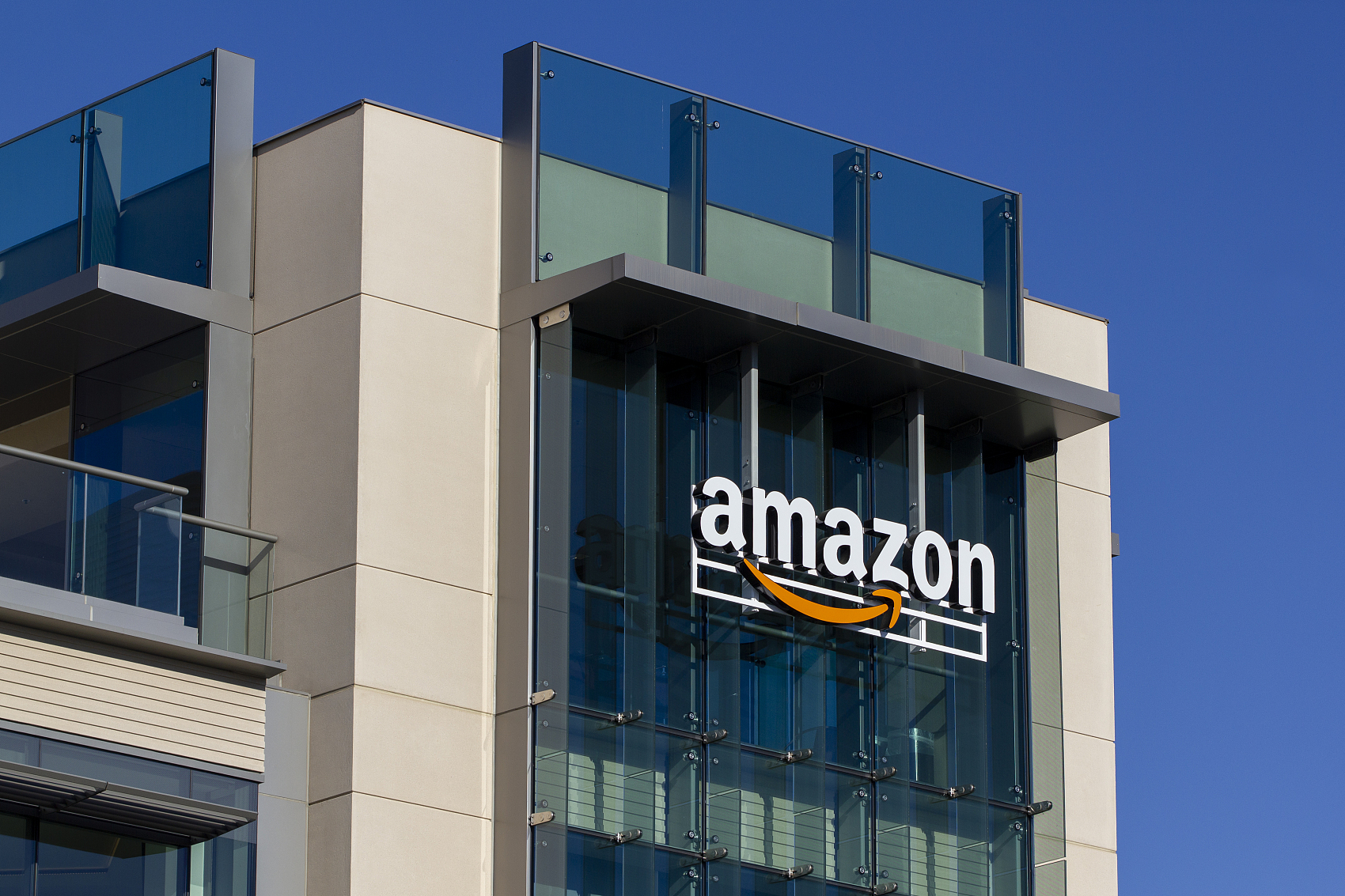
This means FedEx is now competing with other same-day services from Amazon, DoorDash, Walmart and UPS; the latter acquired same-day delivery platform Roadie in 2021.
Jason Brenner, senior vice president, digital portfolio at FedEx, said that the deal is meant to give customers the choice of on-demand delivery, like for forgotten items before leaving for a trip or for scheduling a TV delivery for a specific time they will be home. It also gives FedEx’s clients visibility and control through real-time tracking, predictive ETAs, API integrations and performance dashboards.
“What’s truly powerful here is the scale and flexibility we’re bringing to market right from day one,” Brenner said. “We can offer broad coverage and handle a wide variety of items across different retail categories. That gives retailers the ability to offer fast, reliable same-day delivery, while still maintaining their own brand experience.”
OneRail will provide a national network of 12 million drivers across more than 1,000 delivery companies, including DoorDash and Uber as well as professional couriers that aren’t gig workers. OneRail also handles the customer service for orders. In addition to its deal with FedEx, OneRail has previously partnered with Lowe’s, Advance Auto Parts, Tractor Supply and Pepsi, according to Bill Catania, founder and CEO of OneRail.
With this service, FedEx is particularly targeting e-commerce and DTC brands, especially those with physical stores or micro-fulfillment centers.
“It definitely changes the capabilities of what the average retailer is able to do,” said Russell Hoppes, vp of solutions and delivery for Locus, a logistics-optimization technology company. He also served in various roles at UPS for more than 20 years. FedEx, he said, is “going to be able to take that already built relationship [with retailers], and try to leverage and grow these retailers who are looking to jump right into that same day fulfillment space.”
Catania said the partnerships give FedEx client retailers the ability to match Amazon’s one-hour delivery service, while not having to give their customer data or control over the customer experience to Amazon or another marketplace like DoorDash. It also allows retailers to ship directly from their stores rather than through a warehouse.
“We’re putting retailers in total control,” Catania said. “They can decide if they want to do free delivery, if they charge for it, if they want it to be a margin based decision, and they get to keep their data and their shopper.”
Mark Becker, CEO of third-party logistics company G10 Fulfillment, expects Shopify sellers to embrace this the most, as they try to find ways to get customers to shop on their own websites rather than through bigger e-commerce platforms like Amazon that may take more of a cut of their revenue.
“A lot of times, you’re going to lose a buyer if you can’t compete with the shipping speeds,” Becker said. “It gets all of these Shopify merchants able to compete with that Amazon timeframe.”
Dan Bourgault, co-founder and CEO of The FRONTdoor Collective — a last-mile network for retailers including Walmart and Target — credits FedEx for continuing to change its business model over the years. FedEx has been overhauling its shipping networks since 2022 as part of its “Network 2.0” plan meant to consolidate its Ground and Express operations. Through this, it has closed more than 200 delivery stations so far, per Supply Chain Dive. The goals of this, according to Supply Chain Dive, has been to improve pickup and delivery processes, trim costs, and better compete with competitors such as UPS.
“It just makes sense that they’ve expanded themselves to say, ‘I’m not resting on my laurels, I’m going to make adjustments,’” Bourgault said. “The fact that they’re willing to make the adjustment to change [their operations] and become more cost efficient and more operationally efficient is brilliant.”
Editor-in-chief Jill Manoff contributed reporting.
Search
RECENT PRESS RELEASES
Related Post