From Permitting Reform to Clean Energy: Where Environmental Progress Is Possible in 2026
January 14, 2026
Despite the U.S. stepping back from some key international climate bodies and easing some environmental regulations, meaningful environmental progress is happening. In 2025, renewable energy surpassed coal as the world’s leading source of electricity — a historic first. Amazon deforestation also fell to an 11‑year low, and the High Seas Treaty reached the threshold to enter into force, advancing protection of marine life in international waters. From clean energy deployment to state-level action, YSE experts Kenneth Gillingham, the Grinstein Class of 1954 Professor of Environmental and Energy Economics, Reid Lifset, research scholar, and Narasimha Rao, professor of energy systems, outline the most promising avenues for progress in 2026.
Gillingham: The greatest potential for progress at the federal level in the next year is in permitting reform. There is real possibility that transmission, wind, and solar projects can be expedited through these reforms.
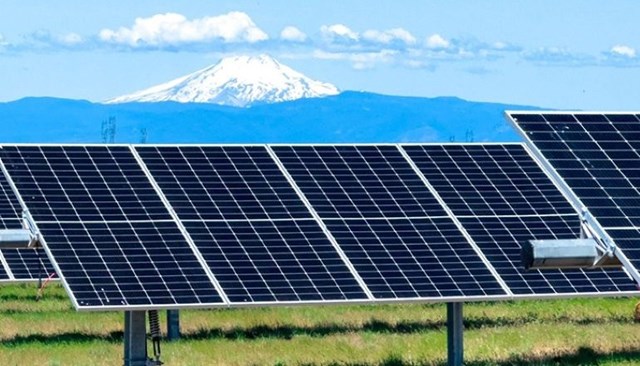
Beyond the federal level, there is significant potential for progress globally. Solar and wind are being built at an unprecedented pace around the world, and technology costs continue to decline.

Newsletter
Subscribe to “YSE 3”
Biweekly, we highlight three news and research stories about the work we’re doing at Yale School of the Environment.
At the state level, there is further opportunity for progress, with many states continuing to advance ambitious policy objectives, such as states expediting state permitting for wind power.
Lifset: I see three areas of potential progress in 2026. With respect to my research, the emergence of extended producer responsibility (EPR) for packaging in the U.S. has gained considerable momentum, and barring possible reversal by the courts, this could significantly change the way waste is managed in the U.S.
In the realm of artificial intelligence and data centers, the growing local opposition to the siting of data centers and concerns about their impacts on electricity prices hold out the possibility that the political dynamics around AI could shift from a single-minded come what may approach to one that more carefully considers environmental impacts.
And finally, I am heartened by the growing uptake of solar power in Africa.
Rao: I see growth in renewables, in particular solar photovoltaic, the technology that directly converts sunlight into electricity using solar panels, continuing in emerging economies, particularly in South Asia, despite tariffs and political upheavals globally. I am optimistic that many emerging economies in sub-Saharan Africa and South Asia, with access to cheap hydro, will develop green hydrogen plans which, with international support, can catalyze progress on industrial decarbonization in the Global South.
Search
RECENT PRESS RELEASES
Related Post