Fuel shocks push Ethiopia deeper into EV transition with 115,000 electric cars already on the road
May 10, 2026
ADVERTISEMENT
As conflict in the Middle East drives up global fuel prices and creates shortages, Ethiopia is turning to electric vehicles to secure its energy future.
Fuel shocks push Ethiopia deeper into EV transition with 115,000 electric cars already on the road
- Ethiopia is adopting electric vehicles (EVs) to reduce reliance on costly fuel imports amid global fuel price spikes.
- In 2024, the country banned the import of petrol and diesel vehicles and now has over 115,000 EVs on its roads.
- The shift to EVs helps alleviate the financial strain of $4.2 billion annual fuel imports and $128 million monthly fuel subsidies.
- Currently, 90% of Ethiopia’s electricity is generated from solar and hydropower, making EVs cheaper to operate.
ADVERTISEMENT
Recommended articles
By prioritizing Electronic Vehicles (EVs) over traditional cars, the country is now leading Africa’s transition to cleaner, more affordable transportation
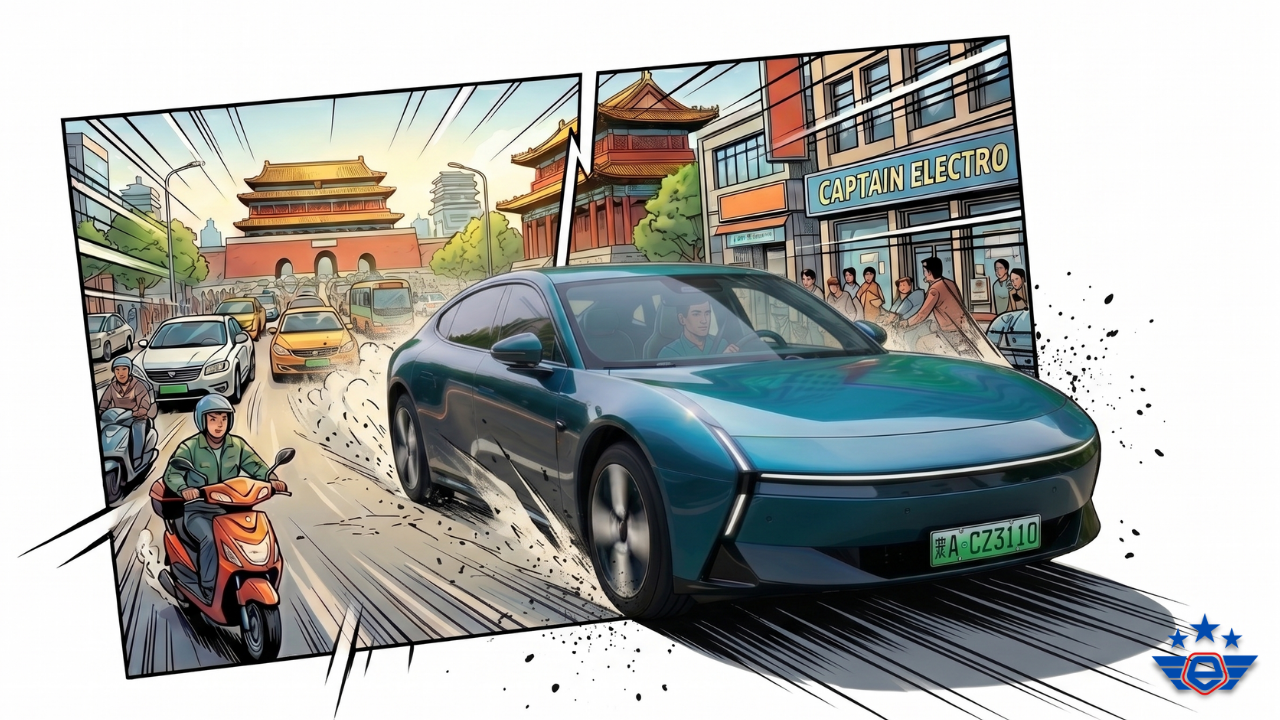
In 2024, the East African nation took decisive action by banning the importation of petrol and diesel-powered vehicles. Currently, there are more than 115,000 EVs plying Ethiopian roads on a daily basis.
Ethiopia is estimated to spend over $4.2 billion annually on fuel imports. This financial burden shows no signs of easing as tensions in the Middle East escalate.
ADVERTISEMENT
In addition, the Ethiopian government spends over $128 million per month on fuel subsidies. A figure likely to rise as fuel price volatility becomes the “new normal.”
To offset the impact of massive spending on imports and subsidies, the government has invested heavily in renewable energy. Currently, 90% of the country’s electricity is generated from solar and hydropower.
By embracing EVs, both the government and citizens save significantly. For example, charging an electric vehicle costs approximately $4 per month, which is a fraction of the $27 typically spent on gasoline. Approximately 10% of vehicles on Ethiopian roads are now electric-powered, a figure that is expected to grow.
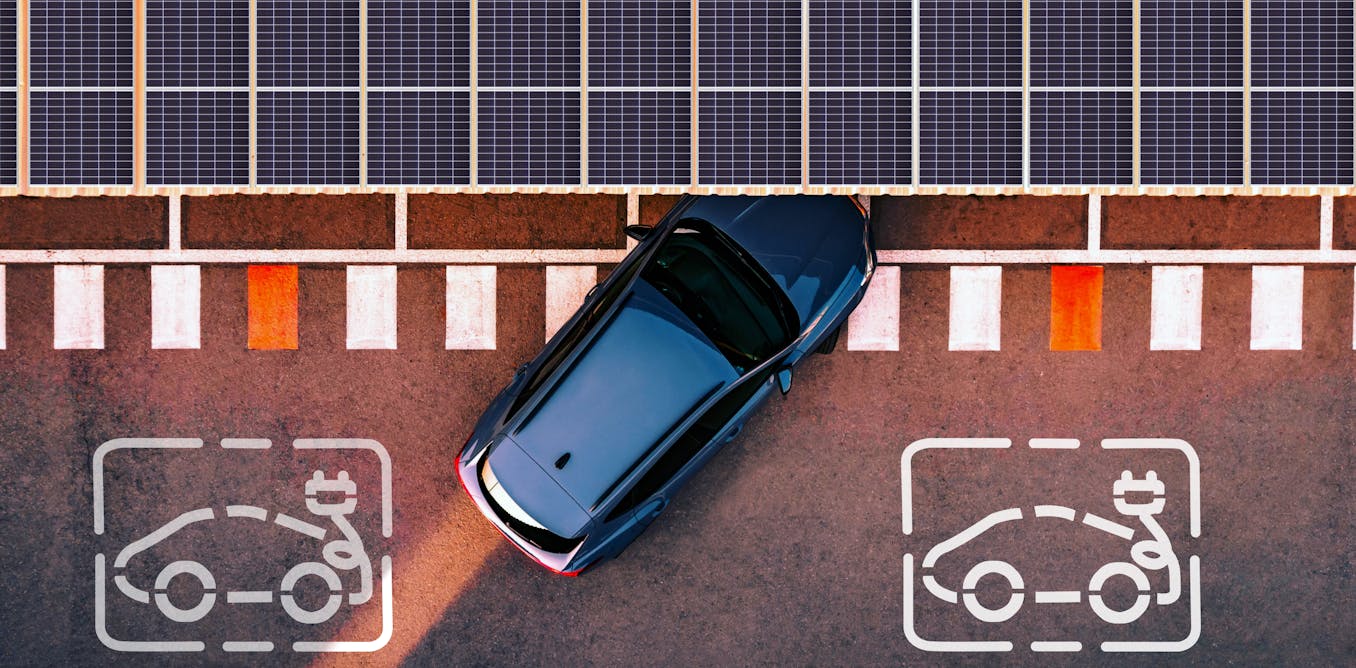
While the advantages are clear, challenges remain. There is currently limited charging infrastructure, even in the capital city, Addis Ababa.
ADVERTISEMENT
Furthermore, electric vehicles often have a higher upfront cost than their gasoline or diesel engine counterparts.
To address this, Ethiopia is focusing on domestic production. The country is currently working on building 17 EV assembly plants, with a goal of reaching 60 plants by 2030.
By manufacturing these cars locally rather than importing them, the government aims to lower purchase prices and make clean transportation accessible while reducing the country’s reliance on expensive foreign fuel.
Victor Awogbemila
FOLLOW BUSINESS INSIDER AFRICA
ADVERTISEMENT
Search
RECENT PRESS RELEASES
Related Post