Georgia’s medical cannabis program gets major overhaul beginning July 1
May 31, 2026
he legislation removes certain restrictions that previously limited access to the state’s medical cannabis program.
ATLANTA — Georgia patients who qualify for medical cannabis will soon have expanded access to treatment under a new law signed by Gov. Brian Kemp. Senate Bill 220, which takes effect July 1, broadens eligibility requirements, allows additional cannabis products to be sold and gives patients access to treatment earlier in their diagnoses.
For Nancy Sprankle, a medical cannabis patient who has used the treatment for three years to manage chronic pain caused by a spinal condition, the change is welcome news.
“Excitement. Very, yeah. Started reading about it all. It was great,” Sprankle said. “It was great finding out because somebody’s listening.”
The legislation removes certain restrictions that previously limited access to the state’s medical cannabis program. Supporters say one of the most significant changes is the removal of end-stage or severe-condition requirements for many qualifying diagnoses.
“A big thing that SB 220 did was remove the end-stage or severe caveat from a lot of the conditions, meaning that they can get this medicine as soon as the doctor deems it something that would help them, rather than waiting till the end of their life,” said Judson Hill, president of Fine Fettle, one of Georgia’s licensed medical cannabis operators.
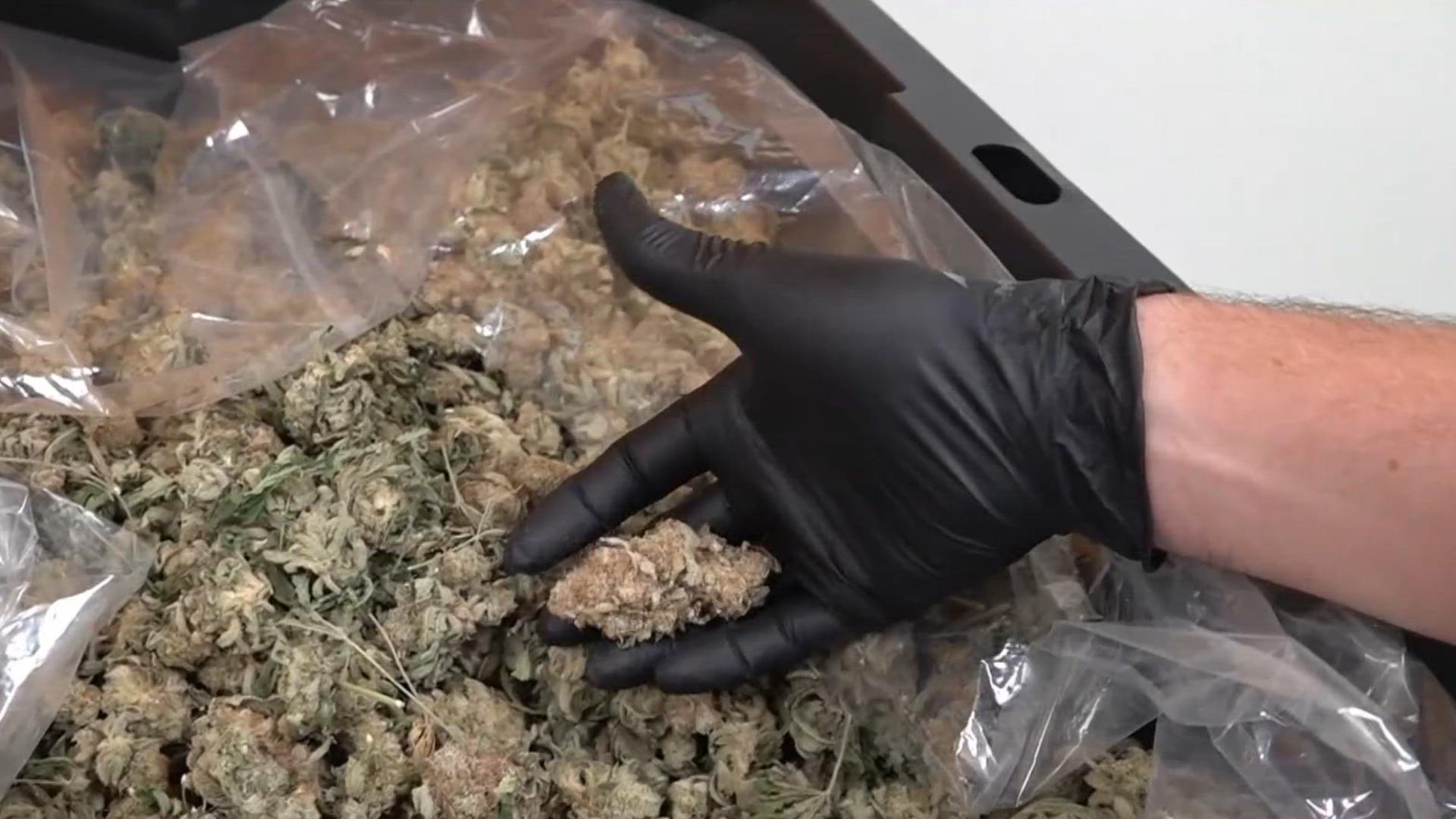
Hill said the law also expands the types of medical cannabis products available to patients, offering alternatives for those who cannot smoke or vape.
“There are some people that cannot smoke because of their lung situation,” Sprankle said. “So the vaping or the smoking of the real stuff, you do not have to do. You can take it medicinally through the products that they are putting out, and I find that to be fabulous.”
Current patients will not see immediate changes to the registration process. They will still need a state-issued medical cannabis card and approval from a physician to participate in the program.
However, Hill said the signing of the legislation has already generated increased interest from potential patients.
“I think a lot of the issue in Georgia is that most Georgians didn’t even know there was a medical cannabis program,” Hill said. “Our phones have been ringing off the hook.”
Supporters and patients say the growing awareness surrounding the program reflects broader progress in expanding treatment options across the state.
“It’s progress,” Sprankle said. “That’s the main thing with this. We need progress in this field. It needs to be looked at and continue to be looked at.”
Senate Bill 220 is scheduled to take effect July 1.
Search
RECENT PRESS RELEASES
Related Post